Common Hunting Accidents and How to Prevent Them: Essential Hunting Safety Tips
Posted by Steven Bieber on August 31, 2026
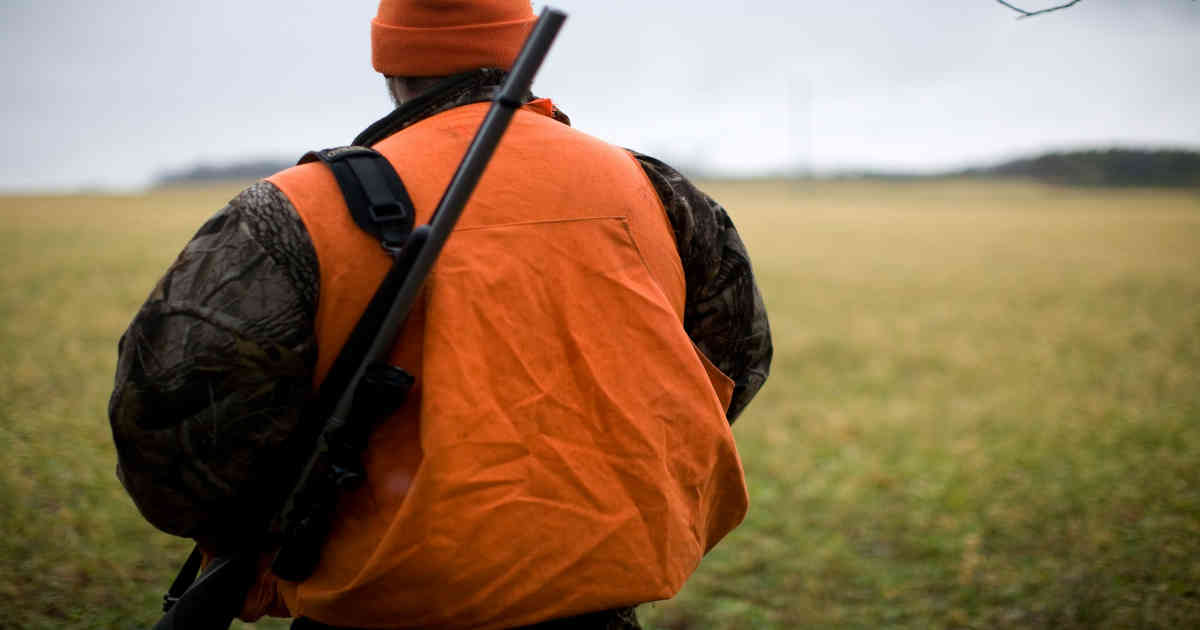
Hunting can be an exciting and rewarding outdoor activity, but safety should always come first. Failing to follow proper hunting safety practices can result in serious injuries or even fatalities. Understanding the most common hunting accidents and how to avoid them can help keep you, your hunting partners, and others safe in the field.
1. Taking a Shot Without a Safe Backstop
Before taking any shot, make sure there is a safe backstop behind your target. A deer standing on a ridgeline or hilltop may appear to be a clear shot, but if there is nothing behind it to stop a bullet or arrow, you risk injuring people, pets, livestock, or damaging property.
Always ensure there is bare ground or another suitable backstop behind your target. Never take a shot at an animal that is silhouetted against the sky or has roads, vehicles, homes, buildings, livestock, or people beyond it. If you cannot clearly identify a safe backstop, do not take the shot.
2. Misidentifying Your Target
One of the most dangerous hunting mistakes is shooting at something without properly identifying it. Hunters should never fire at movement, sounds, or shapes they assume are game animals.
Before taking a shot, positively identify your target and what lies beyond it. Take the time to verify that the animal is legal game and that there is no risk to others in the area. You should be 100% certain of your target before pulling the trigger.
3. Careless Handling of Firearms, Bows, and Hunting Equipment
Hunting equipment is safe when used correctly and dangerous when handled carelessly. Anyone carrying a firearm, bow, or knife should be properly trained in its use and understand the risks involved.
Always handle hunting equipment responsibly, keep firearms pointed in a safe direction, and store weapons securely when not in use. Following basic safety rules can prevent many hunting-related accidents.
4. Accidental Firearm Discharges
Accidental firearm discharges can cause serious injuries or death. These incidents are often the result of improper firearm handling or failure to follow basic safety procedures.
Always treat every firearm as if it is loaded. Keep your finger off the trigger until you are ready to shoot. When climbing, crossing obstacles, entering a vehicle, or walking to and from your hunting location, unload your firearm when appropriate and engage the safety mechanism in accordance with the manufacturer's instructions. Maintain control of the firearm at all times and keep it pointed in a safe direction.
5. Equipment and Weapon Failures
Although relatively uncommon, equipment failures can occur due to manufacturing defects, wear and tear, improper maintenance, or misuse.
Before every hunt, inspect your firearm, bow, tree stand, and other equipment for signs of damage or excessive wear. Pay close attention to moving parts, strings, cables, optics, and safety mechanisms. Regular maintenance and inspection can help prevent accidents caused by equipment failure.
6. Wildlife Encounters and Animal Attacks
Depending on where you hunt, you may encounter potentially dangerous wildlife such as bears, mountain lions, wolves, snakes, or other animals.
Research the wildlife commonly found in your hunting area and understand how to respond to encounters. In areas where bears are present, consider carrying bear spray and learning proper bear safety practices. Staying alert and aware of your surroundings can help reduce the risk of dangerous encounters.
7. Falls From Tree Stands and Elevated Hunting Positions
Falls from treestands are among the leading causes of hunting-related injuries. Improper installation, lack of maintenance, or failure to use fall-protection equipment can result in serious injury or death.
Always wear a full-body safety harness while using a treestand. Use a lifeline or safety line from the ground to the stand whenever possible, and remain connected throughout your climb and hunt. A lineman's belt should be used while installing or climbing into position until the safety line is attached.
Inspect treestands annually and replace worn straps, cables, or damaged components before use.
8. Slips, Trips, and Fall Injuries
Not all fall-related hunting accidents involve tree stands. Uneven terrain, steep hillsides, creek crossings, wet rocks, and fallen logs can all create hazards.
Familiarize yourself with the hunting area before entering unfamiliar terrain. Use caution when navigating in low-light conditions and avoid exploring new areas after dark whenever possible. Proper footwear with good traction can also help reduce the risk of slips and falls.
9. Getting Lost While Hunting
Hunters can become disoriented, especially in unfamiliar terrain or poor weather conditions. Getting lost can lead to dehydration, exposure, injury, or extended search-and-rescue situations.
Carry a map, compass, GPS device, or hunting navigation app, and know how to use them. Let a family member or friend know where you will be hunting and when you expect to return. Regularly check your location throughout the day to avoid becoming disoriented.
10. Hypothermia and Cold Weather Exposure
Cold, wet, or windy conditions can quickly lead to hypothermia. This potentially life-threatening condition occurs when the body loses heat faster than it can produce it.
Dress in moisture-wicking layers and avoid overheating or sweating excessively. Protect your hands and feet with insulated gloves and boots. Carry emergency supplies such as a fire starter, an emergency blanket, extra clothing, and a basic first-aid kit.
If you begin experiencing symptoms such as intense shivering, confusion, slurred speech, or loss of coordination, seek shelter and warmth immediately.
Learn more with our guide.
Final Thoughts on Hunting Safety
Hunting is safest and most enjoyable when proper precautions are taken. By identifying your target, maintaining your equipment, practicing firearm and tree stand safety, preparing for weather conditions, and staying aware of your surroundings, you can significantly reduce the risk of accidents in the field.
Whether you are a new hunter or an experienced outdoorsman, reviewing hunting safety practices before every season can help ensure a safe and successful hunt.