Winter Hunting Safety Guide: How to Prevent Frostbite and Hypothermia
Posted by Steven Bieber on January 15, 2026
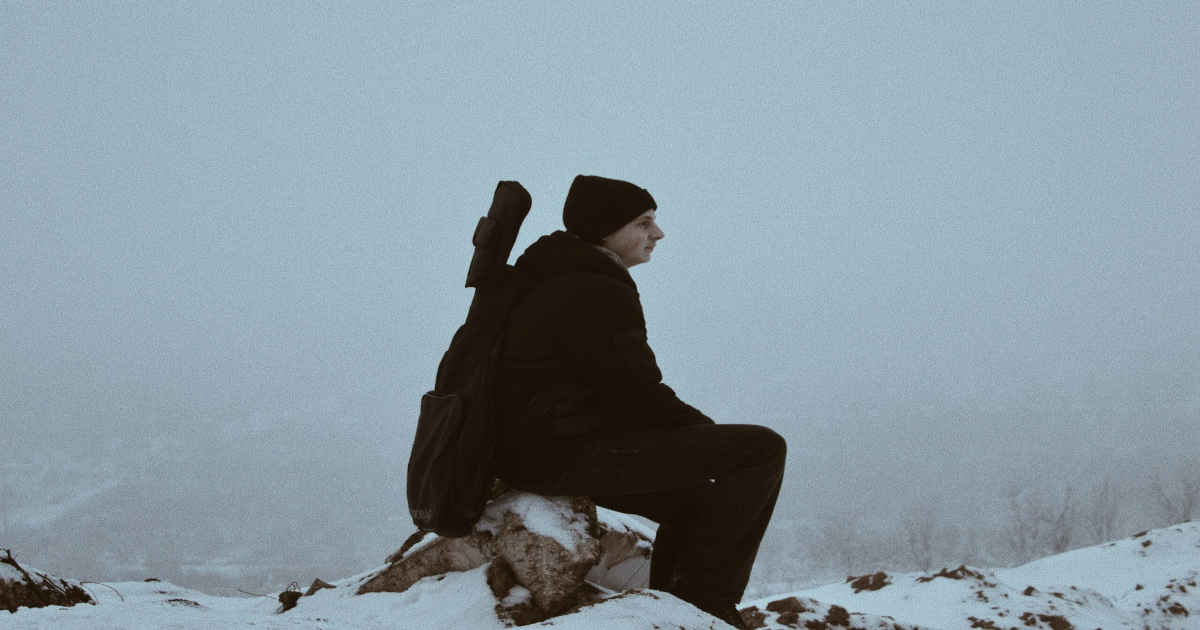
If you're a serious hunter, you'll inevitably spend time sitting in the cold while waiting for the perfect opportunity. Hunters who brave freezing temperatures must know how to protect themselves. Long hours in cold, wet, or windy conditions increase the risk of frostbite and hypothermia. Learn how these conditions develop and how to prevent them.
Understanding Frostbite and Hypothermia
Knowing the signs and treatments of frostbite and hypothermia can help protect you and those around you. If you suspect either condition, follow the steps below and seek medical help immediately.
Frostbite: Symptoms and Treatment
Frostbite occurs when body tissues freeze due to exposure to extreme cold. Early signs include loss of feeling and color in affected areas. The skin may turn grayish-yellow or white and become waxy and unusually firm.
- How to Treat Frostbite:
- Move to a warm shelter or vehicle right away.
- Do not rub the affected area, as this can cause further tissue damage.
- Warm the area using body heat or warm (not hot) water.
- Drink warm liquids and wrap the affected area in dry, warm clothing.
Hypothermia: Signs and How to Respond
Hypothermia occurs when the body's core temperature drops dangerously low, often due to prolonged exposure to freezing weather. When the body can't produce heat fast enough, organs and systems stop functioning normally.
Common Symptoms of Hypothermia:
- Intense shivering
- Memory loss, confusion, or irrational behavior
- Drowsiness and exhaustion
- Slurred or slowed speech
- Body temperature below 95°F
- Reduced mobility or clumsiness
How to Manage Hypothermia:
- Get yourself or the affected person into a warm shelter or vehicle.
- Offer quick bites of high-energy foods like peanuts, raisins, or chocolate. Avoid caffeine and alcohol.
- Remove wet clothing and replace it with dry, warm layers.
- For severe cases, place a warm (not hot) towel under the neck, armpits, and groin.
Cold-Weather Hunting Safety Tips
Follow these tips to help prevent frostbite and hypothermia during winter hunts.
1. Build and Maintain a Fire
Fires help you stay warm and can melt snow for drinking water. Pack fire starters and use dead pine branches with brown needles to get a fire going.
2. Stay Properly Hydrated
Staying hydrated helps your body regulate its core temperature. Dehydration weakens circulation and reduces your ability to generate heat, making hypothermia more likely. Avoid eating snow; it cools your body too quickly.
3. Dress in Warm, Breathable Layers
Dress in multiple layers to stay warm and regulate sweating. Wear a hat, gloves, boots, jacket, and coat. Remove layers when moving to avoid sweating, as moisture can freeze in cold temperatures. A helpful trick: leave your head uncovered when hiking to prevent overheating, then put your hat on when you stop.
4. Use Hand and Foot Warmers
Keeping your extremities warm is essential for preventing frostbite. Avoid cotton gloves and socks, which retain moisture. Consider using a hand muff to hold warmers.
5. Choose a Proper Shelter in Winter Conditions
Shelter protects you from wind, snow, and cold. A four-season tent with waterproof floors, all-weather flies, and a vestibule is ideal. Clear the snow before setting up and lay down a tarp for insulation. Pitch the tent with the door facing away from the wind, and if the ground is too frozen for stakes, use rocks or bury the stakes in a snow hole and pack with snow.
If you prefer comfort and protection from the elements during your hunt, consider using a hunting blind.
Conclusion: Stay Prepared and Stay Safe
Failing to prevent or properly treat frostbite and hypothermia can result in severe injury, loss of limbs, or even death. Know the symptoms, understand the treatments, and take preventive measures such as proper shelter, the right clothing, and staying fed and hydrated. For more information on staying warm during your hunt, check out our full guide.