Winter Deer Hunting Tips: Proven Strategies for Late-Season Whitetail Success
Posted by Steven on February 02, 2026
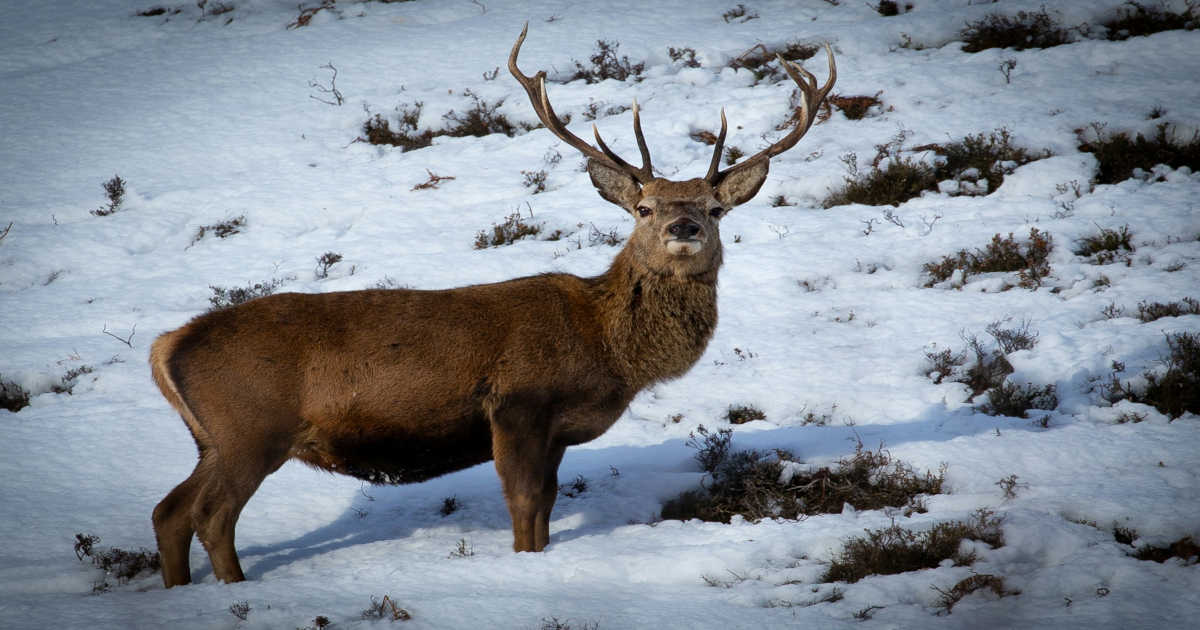 You probably hoped to tag a nice big deer at the beginning of hunting season and be done by now. Unfortunately, that's not always how it goes. While sitting out in the cold can be tough, winter is still an excellent opportunity for hunting. Here are some of the best strategies for finding success with big game during the winter months.
What Do Whitetail Deer Eat in Winter?
Whitetails have to adjust their diet when temperatures drop. With crops harvested and leaves fallen, food becomes scarce. Their winter diet includes twigs, buds, fruits, and ground acorns. Many plants simply don't survive the cold, which forces whitetails to conserve energy and limit movement.
Deer migrate to lower elevations during this period, search for food on windswept slopes, and seek shelter in thermal cover. Focus on areas with good bedding cover and available food. Research your hunting area to understand what vegetation and food sources remain during winter. Concentrating on smaller, high-quality zones will increase your chances of success.
Still Hunting vs. Treestands: Why Movement Matters in Winter
When deer change their behavior, you need to adjust yours as well. During winter, it may be more effective to step out of your treestand and practice still hunting. Moving slowly through confined areas, such as wooded sections, increases your chances of getting close to a target. Patience is essential; moving too quickly or carelessly, and you'll spook your deer.
How Does Whitetail Behavior Change From Fall to Winter?
Understanding how deer behavior changes from fall to winter is key. What works in the fall may not work at all in winter.
In the fall, bucks are more active. They're focused on rut behavior such as chasing does, sparring with other bucks, and moving frequently while building energy reserves for winter.
In winter, survival becomes the priority. Deer move less to conserve energy. Weeds and leftover crops become their primary food sources. They remain in more confined areas and adjust their feeding times. If you use trail cameras, check them often to learn where deer are shifting as conditions change.
Finding Winter Bedding Areas: Where Deer Stay in Cold Conditions
As mentioned earlier, bedding areas are crucial. In winter, a whitetail may spend up to 90% of its time bedded down. When temperatures drop, stop searching in open areas and focus instead on locations sheltered from the wind where deer are likely to bed.What Is the Best Time of Day to Hunt Deer in Winter?
In the fall, when bucks are highly active, it makes sense to get out early. But in winter, most whitetails don't return to their bedding areas until just before daylight. Arriving too early may push them out of the area before you even get set up.Using Natural Cover: How to Stay Hidden When Trees Lose Their Leaves
Tree cover looks very different in winter. With leaves gone, background cover becomes essential. Focus on areas with branches, high bushes, or thicker vegetation. Avoid positioning yourself against an open sky it makes you far more visible. Blending into the environment is key.
Essential Winter Hunting Gear: What You Need to Stay Warm and Safe
Before heading out, make sure you're equipped for cold and snowy conditions. Wear insulated gloves, sturdy boots with ice cleats or deep tread, and a reliable winter coat. Dress in layers so you can adjust as your activity level changes and prevent overheating. Carry a thermal flask filled with warm water and pack high-energy snacks to help maintain body heat and stamina.
Understand how to stay warm while hunting and recognize the signs and dangers of hypothermia.
What Are the Most Important Winter Deer Hunting Tips to Remember?
Hunting in the cold presents challenges and requires you to adapt to harsh conditions. Understanding how whitetails adjust their behavior from fall to winter is one of the most important factors for success. Look for concealed, wind-protected bedding areas. Be willing to step out of your stand and move slowly, using the forest and thick brush for concealment. Hunt later in the day to avoid pushing deer from their bedding areas. Finally, prepare for winter's dangers by wearing proper gear and staying warm.