Ice Fishing and Ice Hunting: How to Combine Fishing and Winter Hunting Safely
Posted by Steven Bieber on February 16, 2026
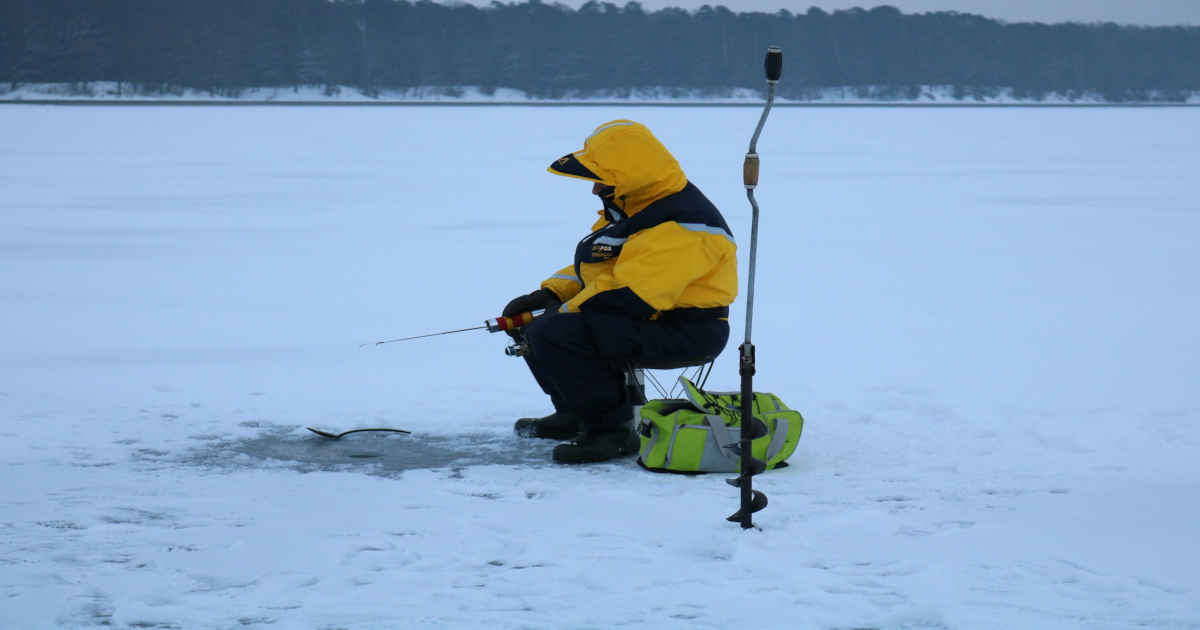
A Complete Guide to Ice Fishing Techniques, Ice Safety, and Winter Hunting Strategies on Frozen Lakes
Ice fishing and ice hunting can be a great way to harvest game in cold environments. Pairing the two can turn a winter outing into a full, rewarding day outdoors. In many northern regions, frozen lakes are located next to forests and wetlands, creating ideal conditions for fishing on the ice while pursuing small game or predators nearby. This guide covers the basics of ice fishing, ice safety, and winter hunting while sharing practical tips for combining both activities into one successful trip.
How to Plan an Ice Fishing and Winter Hunting Trip
When planning your day, the first step is to check regulations. Depending on where you live, hunting seasons, legal weapons, blaze-orange requirements, and transportation rules can vary. Some areas also restrict the use of firearms near lakes or occupied ice houses.
Next, find a lake adjacent to public land. Never hunt on private land without permission. Look for tracks, feeding areas, and shelter near shorelines, and identify safe routes on and off the ice.
It's important to build a flexible schedule. In the morning, set tip-ups or jig aggressively. Midday is a good time to hunt nearby cover while your lines soak. In the late afternoon, return to fishing to catch the evening bite.
Essential Gear for Ice Fishing and Ice Hunting
Below are the supplies needed for ice fishing and ice hunting.
Must-Have Ice Fishing Equipment
- Ice auger
- Spud bar (ice chisel)
- Rods or tip-ups, bait, and lures
- Ice shelter or windbreak
- Sled or pulk for hauling gear
Cold-Weather Hunting Gear for Ice Fishing Trips
- Firearm or bow (weather-rated)
- Ammunition in waterproof storage
- Calls (rabbit distress, predator calls)
- Game bags
Ice Fishing Clothing and Safety Gear
- Insulated, waterproof boots
- Layered clothing (merino base layer, insulating mid-layer, windproof shell)
- Ice picks and ice cleats
- Personal flotation device (PFD)
- First-aid kit and headlamp
- GPS or map and compass
Best Game Animals to Hunt While Ice Fishing
Several animals can be hunted during an ice fishing trip. Small game includes snowshoe hare or cottontail rabbit, ruffed or spruce grouse, and squirrel. Common predators include coyotes and red or gray foxes. In some areas, late-season deer hunting may also be an option.
How to Check Ice Thickness for Safe Ice Fishing and Hunting
What you can bring onto the ice and whether you can safely travel on it depends on ice thickness. The ice should be at least 4 inches thick before walking out. Below are common ways to check ice thickness.
Measuring Ice Thickness with an Ice Chisel (Spud Bar)
An ice chisel is a heavy metal rod with a flat, sharp blade. Stab the ice to create a hole and measure the thickness with a tape measure. When traveling on ice that is 4 to 6 inches thick, use the chisel to test the ice in front of you as you move. This helps detect thinner areas but does not replace frequent measurements.
Checking Ice Thickness Using an Ice Auger
Ice augers come in hand, electric, and gas-powered models. While typically used for drilling fishing holes, they are also effective for measuring ice thickness. After drilling, use a tape measure to check the depth. Stop and check frequently as you move.
Using a Cordless Drill to Measure Ice Thickness
A cordless drill with a 5/8-inch wood auger bit can drill through up to 8 inches of ice in under 30 seconds. Most drills rated at 7.2 volts or higher will work. Wood auger bits are essential because their fluted design pulls ice shavings out of the hole, preventing binding. Measure thickness with a tape measure and spray the bit with silicone lubricant after each use to prevent rust.
How to Measure Ice Thickness Accurately With a Tape Measure
No matter how you create the hole, the most accurate way to measure ice thickness is by inserting a tape measure and hooking it onto the bottom edge of the ice. Some ice skimmers also have inch markings that can be used.
Warning: Never judge ice thickness by how easily a chisel or drill penetrates the surface. Always take an accurate measurement. For detailed ice thickness guidelines, consult your local natural resources agency, such as the Minnesota Department of Natural Resources.
Ice Fishing Techniques for Catching More Fish in Winter
After confirming ice thickness and choosing a location, it's time to fish. Drop the lure to the bottom, then lift it 6 to 12 inches using short, controlled jigging motions. Pause often, as fish frequently strike during the pause.
Aggressive fish respond to faster jigging, while pressured or neutral fish prefer slower lifts and subtle vibrations.
Keep a slight bend in the rod tip and watch for slack line, twitches, or sudden resistance. Ice bites are light, so set the hook with a gentle upward snap of the wrist. Maintain steady pressure while reeling.
For tip-ups, position bait just off the bottom and adjust depth if flags aren’t tripping. When a flag pops, approach quietly, wait for steady line movement, and set the hook with a smooth pull.
Drill holes ahead of time to reduce noise, stay mobile, and move every 20 to 30 minutes if there's no action. Active anglers consistently catch more fish. Minimize noise, movement, and light to avoid spooking fish.
When not in use, keep rods inside shelters and apply line conditioner to prevent freeze-up. Warm hands improve dexterity and help land more fish.
Final Tips for Ice Fishing and Winter Hunting
Combining ice fishing and ice hunting is one of the best ways to maximize time outdoors during winter. With proper planning, safe ice conditions, and the right gear, you can enjoy a productive day fishing frozen lakes while hunting nearby cover. Follow proven ice fishing techniques, prioritize safety, and bring reliable equipment to stay comfortable and successful.
If you’re looking for a comfortable blind for ice fishing, check out the Banks Outdoors Stump 4 Ice Phantom Hunting Blind.