How to Stay Safe and Cool During Summer Camping Trips
Posted by Steven Bieber on May 26, 2026
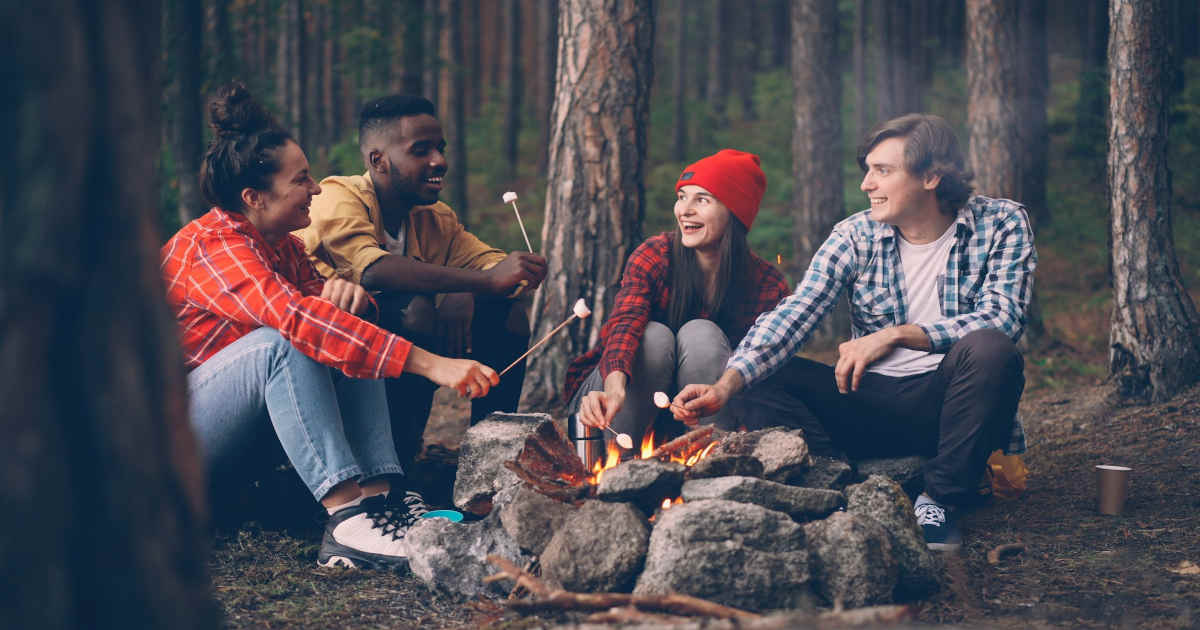
Enjoy Summer Camping Without Overheating
Camping in the summer offers a great way for outdoor enthusiasts to experience the wonders of nature. It provides benefits such as exposure to sunlight, improved sleep, physical activity, and quality time with friends and family.
While it has its benefits, summer camping also comes with a major downside: the heat. Hot weather increases the risk of heat-related illnesses such as heat rash, heat cramps, heat exhaustion, and heat stroke. Other dangers include sunburn and dehydration. To avoid these health issues, here are practical tips to help you stay cool while camping.
Choose the Right Campsite to Stay Cool
Camp Near Water for Natural Cooling
When selecting your campsite, choose a location that offers relief from the heat. If possible, set up camp near a body of water such as a stream, river, pond, or lake. If the water is safe, it provides an opportunity to cool off with a swim. In addition, nearby water can improve airflow and create a natural cooling effect.
Set Up Your Tent in the Shade
Setting up your tent in the shade is essential for staying cool. Look for natural shade from trees or rock formations, or use a tarp to block direct sunlight. It is also important to understand where the sun rises and sets so you can position your tent to avoid direct exposure during the hottest parts of the day.
Take Advantage of the Breeze
Taking advantage of any available breeze is a simple but effective way to stay cool. Even light airflow can help regulate temperature. Choose a campsite that faces into the wind rather than downwind. To determine wind direction, check the weather forecast, ask campground staff, or observe natural indicators around you.
Optimize Your Tent Setup for Hot Weather
Choosing the right tent and setting it up properly can make a significant difference in staying cool. Use a tent with mesh panels to allow airflow while keeping insects out. Position the tent door to face the breeze, and remove the rainfly if rain is not expected to improve ventilation.
Staying hydrated is essential for maintaining a safe body temperature. Drink water regularly, even if you do not feel thirsty. If you are sweating heavily, consider drinks that contain electrolytes. It is also important to limit caffeine and alcohol, as they can contribute to dehydration.
Dress Properly for Hot Weather Camping
What you wear during your camping trip plays a major role in how well you handle the heat. Light-colored clothing helps reflect sunlight, while loose-fitting and lightweight fabrics improve airflow. Materials such as cotton and linen allow your body to breathe and release heat more effectively. Protecting your skin is also important, so be sure to apply sunscreen regularly.
Easy Ways to Cool Your Body Down
There are several simple ways to cool yourself down while camping. Wetting a bandana or towel and placing it on your neck or head can quickly lower your body temperature. Ice packs stored in a cooler can also provide fast relief. If you are near a water source, soaking your feet in cool water can help regulate your body temperature. Using a portable battery-powered fan is another effective way to stay comfortable.
Plan Activities Around Peak Heat Hours
Planning your activities wisely can help you avoid the most intense heat of the day. Try to schedule hikes and other strenuous activities for early morning or late evening. During peak heat hours, typically between 12 PM and 4 PM, take time to rest in shaded areas. Taking regular breaks will help prevent overheating and fatigue.
Choose Foods That Help You Stay Cool
Making smart food choices can also help you manage the heat. During the day, opt for foods that are cool and high in water content, such as fruits like watermelon and oranges. Focus on meals that do not require cooking over a campfire during the hottest hours. Keep your cooler closed as much as possible to maintain its temperature, and wait until the evening to prepare hot meals. Eating lighter meals during the day can also help you feel more comfortable.
How to Sleep Comfortably in Hot Weather
Sleeping in hot conditions can be challenging, but a few adjustments can help. If it is safe, consider sleeping outside of your tent in a hammock or on the ground. Use a lightweight sleeping bag or a simple sheet instead of heavy bedding. You can also sleep on top of your sleeping bag to avoid trapping heat. Ensuring that your tent is well-ventilated will also improve comfort at night.
Know the Signs of Heat-Related Illness
While camping, it is important to recognize the early signs of heat exhaustion. Symptoms may include dizziness, nausea, headaches, and excessive sweating or a lack of sweating. If you or someone else begins to experience these symptoms, it is important to cool down immediately and rehydrate.
Conclusion: Stay Safe and Enjoy Summer Camping
Managing heat while camping is essential for both comfort and safety. By choosing the right campsite, staying hydrated, and planning your activities carefully, you can reduce the risks associated with high temperatures. A successful camping trip is not measured by how much you accomplish, but by the safe and enjoyable memories you create. Taking the right precautions ensures that your outdoor experience remains both fun and safe.