How to Winterize a Boat and Marine Engine: A Complete Guide
Posted by Steven Bieber on October 05, 2026
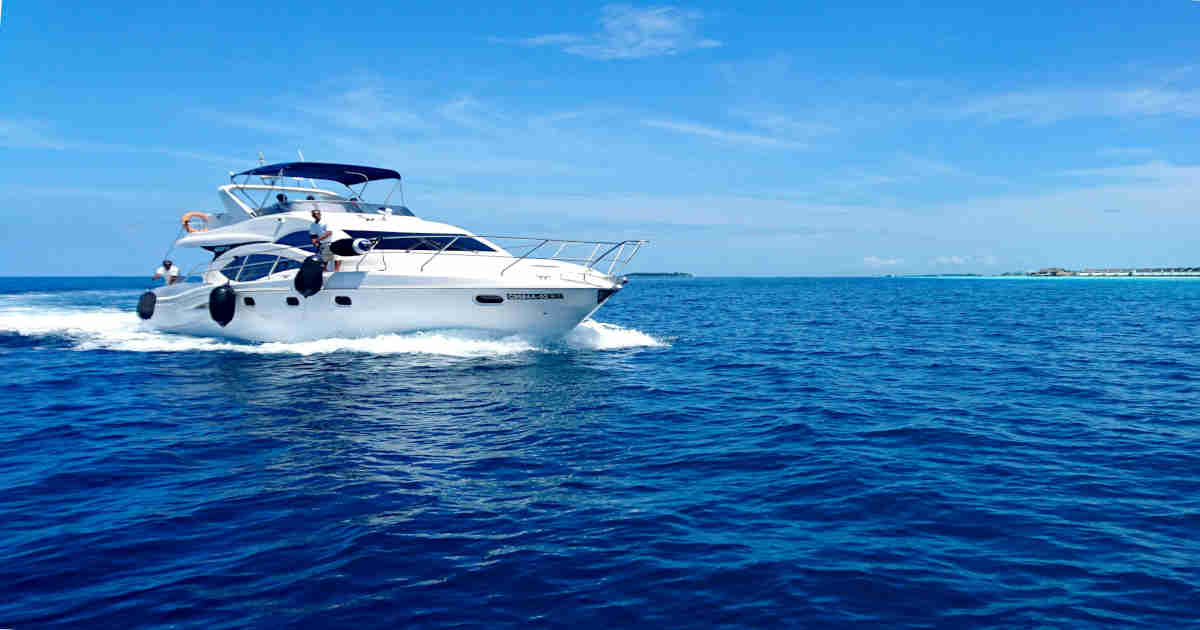
While winter may be great for some outdoor activities, it is often not ideal for taking your boat to the lake. When temperatures become too cold for boating, you will need to prepare your boat for the upcoming winter weather properly. Proper winterization helps protect the engine and other systems from freezing, corrosion, and damage, so your boat is ready to run when spring arrives. Here is how to winterize your boat and marine engine for safe, reliable storage.
Treat the Boat Fuel System With Marine-Grade Fuel Stabilizer
To prepare the fuel system, pour a marine-grade fuel stabilizer directly into the gas tank according to the product manufacturer's recommended ratio. Keep the fuel tank about 95% full to help prevent condensation buildup while allowing room for fuel expansion. After adding the stabilizer, run the engine for 10 to 15 minutes so the treated fuel circulates through the entire fuel system, including the fuel lines, injectors, or carburetor. This step should be completed before you take the boat out of the water for the final time.
Change the Engine Oil and Lower Unit Gear Lube
Start the engine to warm it up, then drain the old engine oil. Replace the oil filter and refill the engine with fresh, marine-grade motor oil recommended by the engine manufacturer.
Next, drain the gear lube from the lower unit using the bottom drain plug. Check the old lubricant for a milky appearance, which can indicate that water has entered the gearcase because of a damaged or failing seal. After draining the old lube, refill the lower unit from the bottom hole using a gear-lube pump until lubricant begins to overflow from the top vent hole. Replace the drain and vent screws with new gaskets if recommended by the manufacturer.
Drain the Cooling System and Flush With Marine Antifreeze
This step is crucial for preventing residual water from freezing and cracking engine blocks, manifolds, or other cooling-system components. Store outboard engines in the manufacturer's recommended vertical-down position so residual raw water can drain completely by gravity. For inboard and sterndrive engines, open all block and manifold drain plugs to remove remaining raw water.
After draining the system, flush a non-toxic marine propylene glycol antifreeze rated for the temperatures expected in your area through the cooling system. Use the manufacturer's recommended procedure, such as earmuffs or a bucket setup, until the appropriate colored antifreeze exits through the exhaust. Always follow the engine manufacturer's winterization instructions and the antifreeze manufacturer's directions for proper concentration and application.
Fog the Engine Cylinders to Prevent Corrosion
To protect the cylinder walls, pistons, and valves from internal corrosion during storage, apply fogging oil according to the engine manufacturer's recommendations. For engines that require fogging through the air intake, spray the oil into the intake while the engine is running until it begins to stall. Next, remove the spark plugs and spray the recommended amount of fogging oil into each cylinder. Manually rotate the flywheel a few turns to distribute the oil before reinstalling the spark plugs.
Prepare the Boat's Water Systems, Battery, and Storage Area
To complete your boat winterization, drain the livewells, bilge pumps, ballast tanks, and freshwater systems, and flush non-toxic marine or RV antifreeze through the appropriate plumbing lines. The battery should be disconnected, fully charged, and stored in a dry, temperature-controlled area away from extreme temperatures. Avoid placing the battery directly on a concrete floor unless the manufacturer specifically permits it.
Finally, cover the boat with a breathable, fitted tarp or properly installed shrink-wrap with adequate ventilation. Proper ventilation helps reduce moisture buildup and prevent mold and mildew during long-term winter storage.
Conclusion
Properly winterizing your boat and marine engine can help protect your investment from freezing temperatures, corrosion, and other seasonal damage. By treating the fuel system, changing the engine oil and lower unit lubricant, draining and protecting the cooling system, fogging the engine, and preparing the boat's water systems and battery, you can help ensure your boat is ready for the next boating season. Always consult your boat and engine manufacturer's owner's manuals for model-specific winterization requirements and procedures.