Why Does a Homeowner Need a Portable Water Pump?
Posted by Steven Bieber on October 12, 2026
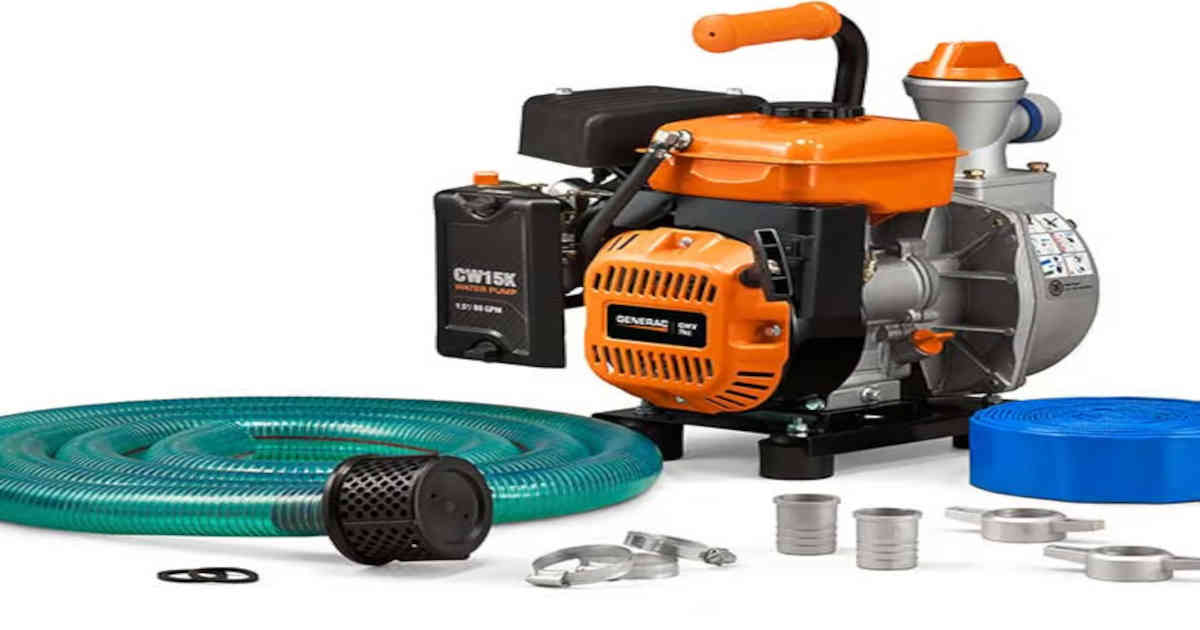
If you own a home, it is important to be prepared for unexpected situations and emergencies. While a generator can be an important tool during a power outage, it is not the only piece of emergency equipment worth having on hand. A portable water pump can help homeowners remove unwanted water from basements, outdoor areas, and other locations.
Here are several situations when a portable water pump can be useful.
1. Basement Flooding
Heavy rain, storms, poor drainage, or other problems can cause water to enter your basement. In some situations, the amount of water may overwhelm your sump pump or prevent it from draining water quickly enough.
A portable water pump can provide an additional way to remove standing water and help reduce the amount of time water remains in your basement. The appropriate pump will depend on the amount and type of water you need to move.
2. Power Outages
A sump pump is an important part of many basement drainage systems, but most electric sump pumps cannot operate when the power is out. If a storm causes a power outage while water is entering your basement, flooding can occur before you are able to restore power.
Depending on the pump type, a portable water pump can provide another option for moving water. Make sure you have the appropriate power source available. If using a gasoline-powered pump, never operate it indoors or in an enclosed space because of the risk of carbon monoxide poisoning.
3. Sump Pump Failure
Even when your home's electricity is working, your sump pump can malfunction. Mechanical failures can happen unexpectedly, and a failed sump pump during heavy rain could leave you dealing with a flooded basement.
Keeping a portable water pump available can give you another option while you arrange for your sump pump to be repaired or replaced.
4. Water Heater and Appliance Leaks
A failed water heater, washing machine, dishwasher, or other appliance can release a significant amount of water onto the floor. The longer water remains in an area, the greater the potential for water damage.
For larger amounts of standing water, a suitable portable pump may help speed up water removal. Always address the source of the leak and follow appropriate safety precautions before attempting to remove the water.
5. Storm and Flood Preparedness
If you live in an area that experiences heavy rain or flooding, a portable water pump can be a useful addition to your emergency supplies. It can complement other equipment, such as a generator or backup sump pump.
Before severe weather arrives, make sure you have the correct pump, hoses, fittings, and power source ready to use. Knowing how your equipment works before an emergency can save valuable time.
6. Pool and Hot Tub Drainage
Homeowners with a swimming pool or hot tub may occasionally need to lower or remove water for maintenance, cleaning, or repairs. A portable water pump can be useful for certain drainage applications.
Before draining a pool or hot tub, check the manufacturer's instructions and any applicable local requirements. Some areas have rules about where water can be discharged.
7. Outdoor Water Removal and Drainage
Water can collect in low areas around your property, including window wells, crawl spaces, yards, and other areas with poor drainage. After heavy rain, these areas may develop standing water that needs to be removed.
A portable water pump can be a practical solution for certain outdoor water-removal jobs. Choose a pump designed for the type of water and debris you expect to encounter.
8. Construction and Home Improvement Projects
Home improvement projects can sometimes create unwanted standing water. Excavation, landscaping, foundation work, and other projects may require temporary water removal from a work area.
A portable pump can help move water away from the area and keep the work site more manageable. Before choosing a pump, consider the distance and elevation the water needs to travel.
Why Every Homeowner Should Consider a Portable Water Pump
A portable water pump can be relatively easy to store and may be useful for a variety of water-removal situations. Having one available can save valuable time when you are dealing with unexpected water.
The sooner you can remove standing water, the sooner you can address the source of the problem and begin cleanup. A portable pump can therefore be a useful addition to a homeowner's emergency and maintenance equipment.
What to Consider When Buying a Portable Water Pump
Before purchasing a portable water pump, consider the following:
- Pump type: Choose a pump designed for the job you expect it to perform.
- Pumping capacity: Check how much water the pump can move, typically measured in gallons per minute (GPM).
- Maximum head height: Consider how high and how far the pump needs to move water.
- Hose size and length: Make sure the hose is compatible with the pump and long enough for your intended application.
- Power source: Determine whether the pump requires electricity, a battery, or fuel.
- Water type: Some pumps are designed for clean water, while others can handle dirty water or solids.
- Portability: Consider the pump's weight, handles, and overall ease of transportation.
- Storage: Make sure you have a convenient, safe place to store the pump and its accessories.
- Safety requirements: Follow the manufacturer's instructions, particularly when using fuel-powered equipment.
Be Prepared With the Right Portable Water Pump
A portable water pump can be useful for more than just emergency flooding. From basement water and sump pump failures to outdoor drainage and home improvement projects, the right pump can help homeowners handle a variety of water-removal tasks.
Before an emergency occurs, determine what types of water problems you are most likely to encounter and choose a pump designed for those conditions. Having the right equipment, hoses, and power source ready can help you respond more quickly when you need it most.
Frequently Asked Questions About Portable Water Pumps
1. What is a portable water pump used for?
A portable water pump is designed to move water from one location to another. Homeowners may use portable pumps for basement flooding, outdoor drainage, pool or hot tub maintenance, appliance leaks, and certain home improvement projects.
2. Can a portable water pump work during a power outage?
Yes, depending on the type of pump and its power source. Some portable pumps are gasoline-powered, battery-powered, or designed to work with a compatible backup power system. Always follow the manufacturer's operating and safety instructions. Never operate a gasoline-powered pump indoors or in an enclosed space.
3. Can a portable water pump replace a sump pump?
A portable water pump generally should not be considered a permanent replacement for a sump pump. Instead, it can serve as a temporary backup when a sump pump fails, becomes overwhelmed, or cannot operate because of a power outage.
4. What type of portable water pump do I need?
The right pump depends on the type and amount of water you need to move. Consider factors such as pumping capacity, maximum head height, water quality, solids-handling capability, hose size, and power source. Check the manufacturer's specifications to make sure the pump is suitable for your application.
5. How do I store a portable water pump?
Store your pump in a clean, dry location where it is protected from extreme temperatures and damage. Follow the manufacturer's instructions for draining, cleaning, winterizing, and maintaining the pump. Keep necessary hoses, fittings, and other accessories together so the equipment is ready when you need it.