Cold-Weather Hunting Guide: Risks, Mental Challenges, and Survival Tips
Posted by Steven Bieber on February 09, 2026
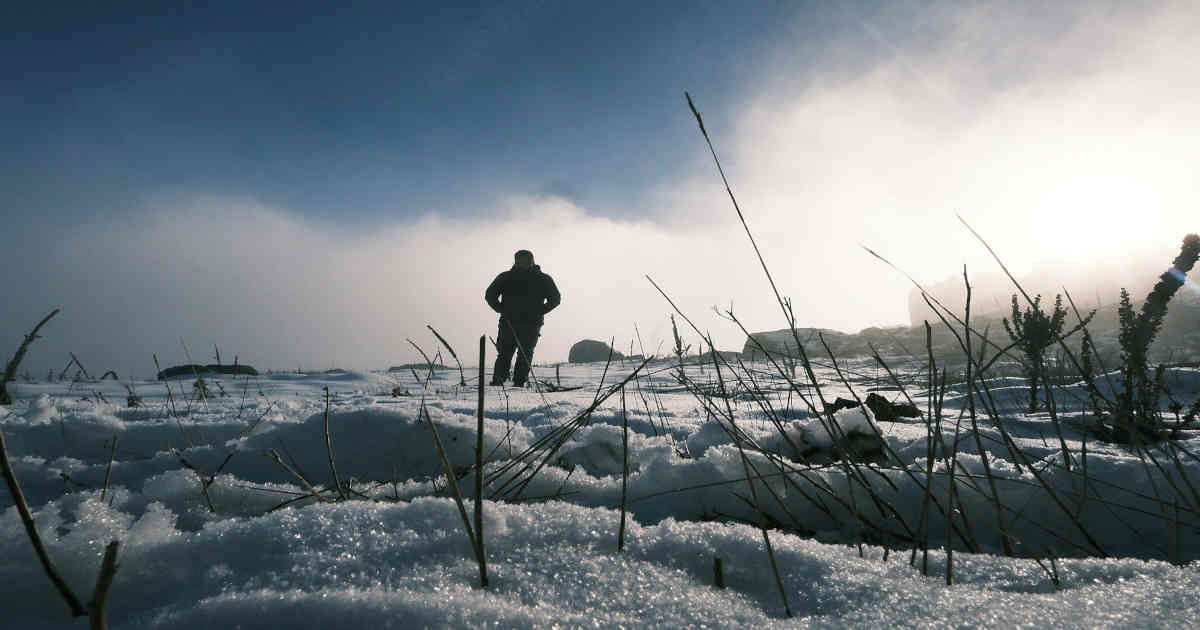
When the weather turns cold, and you're still looking for your big score, you'll face a new set of obstacles. While winter hunts can be incredibly rewarding, they also present unique physical and mental challenges. Here's what to expect and how to prepare.
Cold-Weather Hunting Guide: Risks, Mental Challenges, and Survival Tips
Cold weather puts extra strain on your body in several ways.
Understanding Hypothermia and Frostbite Risks
Frostbite occurs when body tissues freeze after exposure to extreme cold, and hypothermia happens when the body's core temperature drops dangerously low. Extremities like fingers, toes, ears, and noses are especially vulnerable. Reduced dexterity from the cold makes it harder to handle equipment such as firearms, bows, or calls.
How Cold Weather Affects Muscle Performance
Cold temperatures cause muscles to become stiffer and slower, reducing reaction time. Hiking through snow, climbing hills, and hauling game are far more demanding in cold air. Fatigue sets in quickly as the body burns additional calories trying to stay warm.
Breathing Difficulties in Freezing Temperatures
Cold, dry air can irritate the lungs and throat. Heavy breathing in extreme cold may trigger chest discomfort or coughing spells.
Why Energy Drops Faster in the Cold
The body uses more energy to maintain core temperature, causing you to tire faster. Cold air also suppresses thirst, increasing your risk of dehydration. Wearing heavy winter gear adds extra strain and accelerates fatigue.
Slips, Falls, and Navigation Hazards in Snow
Deep snow and ice increase the risk of slips, sprains, and other injuries. Snow can conceal holes, branches, or uneven terrain. Cold temperatures also drain batteries quickly, reducing the reliability of GPS units, flashlights, and phones.
Mental Challenges Hunters Face in Winter
Cold weather can be just as challenging mentally as it is physically.
How Cold Impacts Concentration and Decision-Making
Cold-related stress impairs judgment and slows cognitive processing. This can increase the likelihood of mistakes with firearm safety or navigation. Early stages of hypothermia can also cause mental fog and poor reasoning.
Managing Motivation and Patience in Harsh Weather
Sitting still in freezing temperatures can be mentally exhausting. Irritability rises with discomfort, and you may be tempted to rush shots or take shortcut decisions that often lead to missed opportunities.
Handling Isolation and Stress During Winter Hunts
Winter hunts often involve long hours of solitude in cold, silent environments. The knowledge that the weather can change quickly may cause anxiety, especially if you’re navigating difficult terrain or uncertain locations.
Reducing Risk Through Planning and Weather Awareness
Knowing that small mistakes like getting stranded carry greater consequences can create mental pressure. Planning for shorter days, shifting weather, and fatigue helps reduce that stress.
Maintaining Morale During Low-Activity Hunts
Long stretches without seeing the game can drain morale. The combined discomfort and uncertainty test your resilience. Accepting that cold-weather hunting often requires patience can help you stay mentally grounded.
How to Stay Warm While Hunting in Freezing Temperatures
One of the best ways to reduce the physical and mental strain of cold-weather hunting is to dress properly. Before heading out, make sure you're prepared for cold and snowy conditions.
Wear insulated gloves, sturdy boots with deep tread or ice cleats, and a dependable winter coat. Layer your clothing so you can adjust as your activity level changes. Bring a thermos of hot liquid and pack high-energy snacks to maintain body heat and stamina.
Know the signs of hypothermia and frostbite. Avoid sitting still too long. Wiggle your fingers and toes, stretch your legs, and stand up periodically.
Mental Health Tips for Winter Hunters
Before your hunt, visualize the cold, the setting, and how you'll stay warm. Set realistic expectations and be prepared for slow periods.
To stay focused, practice steady breathing and rotate small tasks like scanning your surroundings, checking the wind, or glassing. Use a mental checklist for safety and equipment. Start with shorter hunts to build cold tolerance, and celebrate small wins when you stay out longer or navigate confidently.
If anxiety rises from the silence or cold, ground yourself with sensory cues, feel the wind, listen to distant sounds, and reconnect with your surroundings.
Preparing for a Safe and Successful Winter Hunt
Cold-weather hunting brings physical challenges like stiff muscles, decreased reaction time, and difficult breathing, along with mental challenges such as impaired judgment, stress, and fatigue. With proper clothing, preparation, and mental strategies, you can stay safe, stay warm, and stay focused throughout your winter hunt.