Leave No Trace Seven Principles: A Complete Guide to Responsible Outdoor Ethics
Posted by Steven Bieber on April 13, 2026
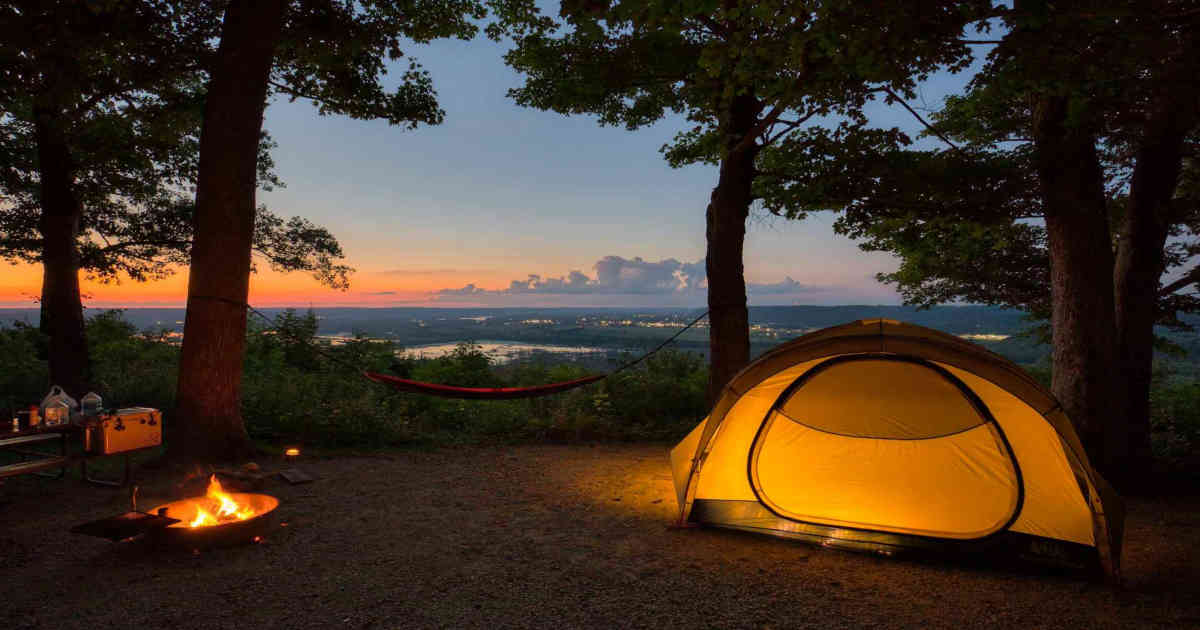
Outdoor activities like camping, hiking, biking, or hunting are great ways to explore the great outdoors. While nature can be fun, we all must do our part to protect it. For everyone to do their part and protect the outdoors with the Leave No Trace Seven Principles (© 1999 by the Leave No Trace Center for Outdoor Ethics: www.LNT.org).
Below is a clear and practical overview of each principle.
1. Plan Ahead and Prepare
Proper planning helps prevent accidents, reduces environmental damage, and improves your overall experience.
When you are unprepared, you are more likely to become fatigued or fearful, which can lead to poor decision-making.
Follow these key planning tips:
- Know the regulations and special concerns for the area you’ll visit.
- Prepare for extreme weather, hazards, and emergencies.
- Schedule your trip to avoid high-use times.
- Travel in small groups. Split larger parties into smaller groups.
- Repackage food to minimize waste.
- Use a map and compass to avoid marking trails with cairns, flagging, or paint.
Planning increases safety, builds confidence, and helps protect natural resources. Research the weather, terrain, and your group's abilities. Plan meals carefully to reduce food waste and unnecessary packaging.
2. Travel and Camp on Durable Surfaces
When traveling outdoors, avoid damaging vegetation, soil, and waterways. Repeated trampling can permanently harm plants and create unwanted trails or campsites.
Durable surfaces include:
- Established trails and campsites
- Rock and gravel
- Dry grasses
- Snow
To protect water sources, camp at least 200 feet from lakes and streams, especially in riparian areas.
In Popular Areas:
Use existing trails and campsites.
Walk single file in the center of the trail, even when wet or muddy.
Keep campsites small and concentrate activities where vegetation is absent.
In Undisturbed Areas:
Disperse use to avoid creating new trails or campsites.
Avoid areas where impacts are just beginning.
Camp only if you are skilled in Leave No Trace techniques.
Stay on designated trails unless necessary. In most cases, choose already impacted sites rather than creating new ones.
3. Dispose of Waste Properly
Improper waste disposal harms wildlife, spreads disease, and contaminates water.
Follow the “Pack It In, Pack It Out” rule:
Inspect campsites and rest areas for trash or spilled food.
Pack out all trash, leftover food, and litter.
Never burn trash.
Human Waste Guidelines:
Dig catholes 6-8 inches deep at least 200 feet from water, camp, and trails.
Cover and disguise the cathole when finished.
Pack out toilet paper and hygiene products whenever possible.
To wash dishes or bathe:
Carry water 200 feet away from streams or lakes.
Use small amounts of biodegradable soap.
Strain food particles and scatter wastewater.
Human waste can contain harmful pathogens such as Giardia lamblia, Cryptosporidium parvum, coliform bacteria, and viruses like Hepatitis A. Proper disposal prevents water pollution and disease transmission.
Even small items, such as plastic bags, cigarette butts, fishing line, food scraps, orange peels, and pistachio shells, can damage ecosystems and attract wildlife. Never wash dishes directly in lakes or streams.
4. Leave What You Find
Take photos, not souvenirs.
- Preserve historic and cultural structures and artifacts.
- Leave rocks, plants, and natural objects as you find them.
- Clean boots, kayak hulls, and bike tires between trips to prevent spreading invasive species.
- Do not build structures, furniture, or dig trenches.
Avoid carving into trees, hammering nails, or removing natural materials. These actions cause lasting environmental damage and disrupt ecosystems.
5. Minimize Campfire Impacts
Campfires can cause long-term environmental damage if not managed responsibly.
Whenever possible:
- Use a lightweight stove for cooking.
- Use a lantern for light instead of a fire.
If fires are permitted:
- Use established fire rings, fire pans, or mound fires.
- Keep fires small.
- Use only sticks from the ground that can be broken by hand.
- Burn wood completely to ash.
- Extinguish fires thoroughly with water, not dirt.
- Scatter cool ashes.
Always check local fire regulations and use local firewood to prevent the spread of invasive pests.
6. Respect Wildlife
Observing wildlife is a privilege. Interfering with animals can harm them and create dangerous situations.
- Observe wildlife from a distance.
- Never feed animals.
- Control pets at all times or leave them at home.
- Avoid wildlife during sensitive times such as mating, nesting, raising young, and winter.
Feeding wildlife alters natural behavior, increases aggression, and can lead to relocation or euthanasia. Keep food and trash secured and out of reach.
7. Be Considerate of Others
Respect for others enhances everyone's outdoor experience.
- Be courteous and yield to other trail users.
- Hikers traveling uphill generally have the right of way.
- Cyclists yield to hikers, runners, and equestrians.
- Everyone yields to individuals using assistive devices.
- Greet riders and ask which side to move to when encountering pack stock.
- Take breaks and camp away from trails.
- Let nature’s sounds prevail. Avoid loud voices, music, and phone calls.
Keep pets under control and respect Indigenous lands and cultural heritage.
Final Thoughts: Why Leave No Trace Matters
The Leave No Trace Seven Principles are simple guidelines that protect natural spaces for future generations. Whether you are hiking, camping, hunting, or biking, practicing responsible outdoor ethics ensures that nature remains wild, healthy, and accessible to all.
By planning, minimizing your impact, and respecting wildlife and fellow visitors, you help preserve the outdoors for years to come.