Wilderness First Aid: Essential Skills for Outdoor Safety & Emergency Response
Posted by Steven on April 20, 2026
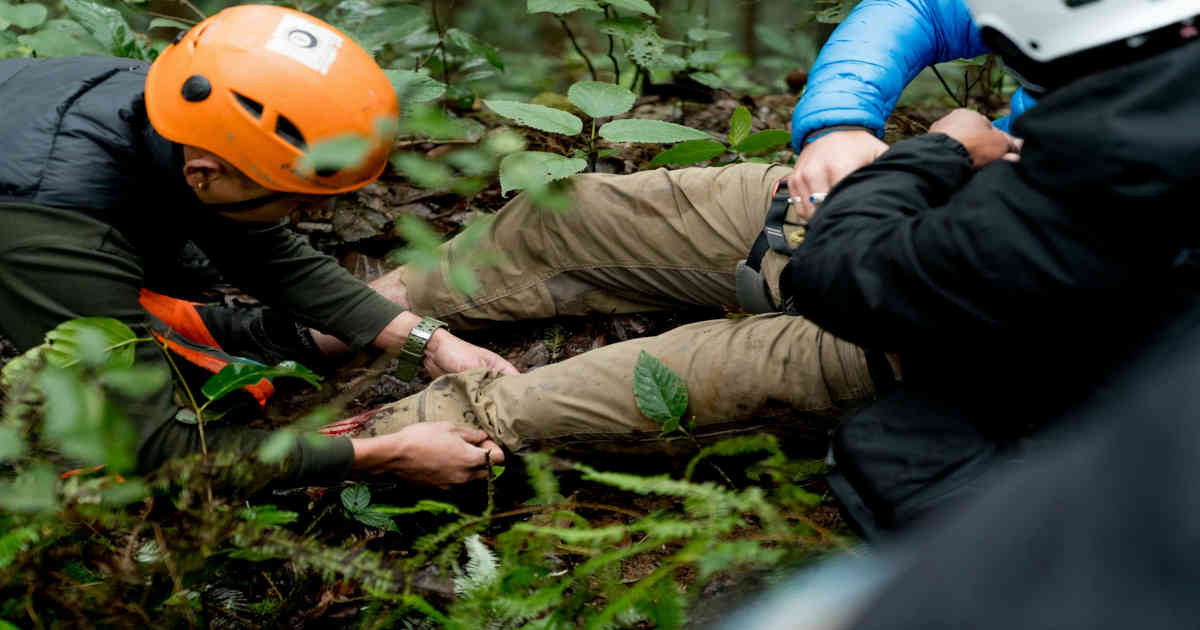
Activities like hiking, camping, backpacking, or climbing are great ways to enjoy the outdoors. Although they can be fun and relaxing, like any activity, they carry the risk of injury. While out in the wilderness, you are often a long way from a doctor or hospital. To stabilize someone, you need to know the basic skills of Wilderness First Aid (WFA). Knowing these skills can mean the difference between a minor setback and a life-threatening emergency.
Scene Safety and Initial Assessment
Before helping anyone, ensure the area is safe. Check for falling rocks, wildlife, unstable terrain, weather hazards, and other dangers. Take steps to protect yourself by wearing gloves or using other barrier devices if available.
Follow the ABCDE exam:
- A - Airway: Is it open and clear?
- B - Breathing: Is the person breathing normally?
- C - Circulation: Check for a pulse and severe bleeding.
- D - Disability: Assess level of responsiveness (Alert? Responds to verbal stimuli? Responds to pain? Unresponsive?).
- E - Expose injuries: Open clothing as needed to evaluate and treat injuries.
If you find a life-threatening issue, address it immediately.
Bleeding Control in the Wilderness
Severe bleeding is an urgent injury and must be addressed immediately. Apply direct pressure to the wound using a clean cloth or bandage. If you do not suspect a fracture, elevate the injured limb. Secure the wound with a pressure bandage.
If bleeding does not stop and appears life-threatening, apply a tourniquet. Ensure it is properly placed above the wound (not directly over a joint) and tightened until bleeding stops.
Treating Fractures and Sprains Outdoors
Common signs of fractures and sprains include pain, swelling, deformity, and limited movement. Immobilize the injury using trekking poles, sticks, or foam pads as splints. Splint the injury in the position found. After applying the splint, check circulation to ensure it remains adequate. If available, apply a cold compress to reduce swelling.
Warning: Do not attempt to realign bones unless you are properly trained and circulation is compromised.
Recognizing and Treating Hypothermia
Hypothermia can occur in cold, wet, or windy conditions even in temperatures above freezing. Signs include shivering, slurred speech, clumsiness, and confusion.
If someone is experiencing hypothermia, remove wet clothing and insulate them with dry layers, sleeping bags, or emergency blankets. If the person is conscious, provide warm, sweet drinks and protect them from wind and ground exposure.
Severe hypothermia requires urgent evacuation.
Heat-Related Illnesses in the Backcountry
Spending long hours in hot conditions can lead to serious heat-related illnesses.
Heat Exhaustion
Symptoms include heavy sweating, dizziness, and nausea. Move the person to shade immediately. Allow them to cool gradually and rehydrate with water and electrolytes.
Heat Stroke (Life-Threatening Emergency)
Heat stroke symptoms include hot skin, confusion, and altered mental status. The person must be cooled rapidly, preferably through immersion in cool water. Heat stroke is a medical emergency and requires immediate evacuation.
Proper Wound Care in Remote Areas
When traveling over rough terrain with sticks and rocks, cuts and scrapes are common. Clean wounds with potable water, remove debris, and apply a sterile dressing. Monitor for signs of infection, including redness, swelling, warmth, pus, or fever.
Do not close a dirty wound in the wilderness.
Treating Burns in the Wilderness
Cool burn injuries with cool (not ice-cold) water. Cover loosely with a sterile dressing and do not pop blisters.
If burns are large, deep, or located on the face, hands, or genitals, evacuate immediately.
Managing Allergic Reactions Outdoors
Mild allergic reactions involving rash or itching can be treated with antihistamines.
Severe allergic reactions (anaphylaxis) may include difficulty breathing, throat swelling, and a drop in blood pressure. In these cases, use an epinephrine auto-injector immediately and evacuate as soon as possible.
Environmental Hazards and Prevention
When spending time outdoors, be aware of environmental risks. To prevent dehydration, drink regularly and monitor urine color. If symptoms of altitude sickness develop, descend if they worsen. For bites or stings, clean the area and monitor for allergic reactions.
Evacuation Decision-Making in Wilderness Emergencies
When in a wilderness setting, you must decide whether to stay and treat, evacuate the injured person, or call for urgent rescue.
Evacuate immediately if the person has:
- Altered mental status
- Severe trauma
- Chest pain
- Difficulty breathing
- Signs of spinal injury
What to Pack in a Wilderness First Aid Kit
A well-stocked wilderness first aid kit should include:
- Gloves
- Gauze and pressure bandages
- Elastic wrap
- Triangular bandage
- Antiseptic wipes
- Blister care supplies
- Pain relievers
- Antihistamines
- Emergency blanket
- CPR mask
Prevention Is the Best Medicine
Preventing injuries is always better than treating them. Reduce risk by checking weather forecasts, leaving a trip plan with someone at home, and carrying adequate water, food, and supplies. Know your limits, and consider taking a certified Wilderness First Aid course so you are properly trained to respond in an emergency.