Weather Awareness & Outdoor Safety Tips: How to Stay Safe in Changing Conditions
Posted by Steven on April 27, 2026
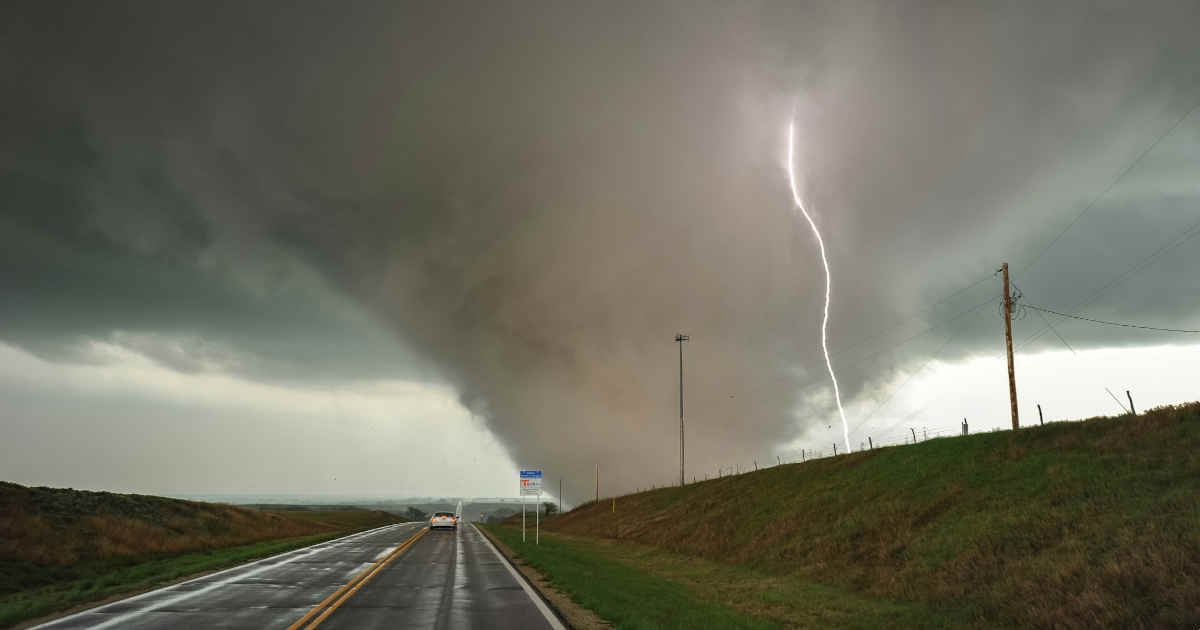
Spending time in the great outdoors offers adventure, breathtaking scenery, and opportunities to see wildlife up close. Activities like camping, biking, hiking, kayaking, and fishing can be mentally and physically rewarding. However, outdoor recreation can quickly become dangerous when the weather changes.
Because weather conditions can shift rapidly, it's important to prepare for extreme conditions and understand how to stay safe. This guide covers essential weather awareness and outdoor safety tips. Many of these recommendations are based on guidance from the National Oceanic and Atmospheric Administration (NOAA).
General Weather Safety Tips Before You Go Outdoors
Before heading out, always check the local weather forecast. Focus on the ZIP code for your destination because weather conditions can differ significantly from those in your home area.
It’s also important to set up multiple ways to receive weather alerts, such as:
- NOAA weather radios
- Smartphone weather apps
- Local emergency alerts
Let someone know where you are going and when you plan to return so they can contact authorities if you do not check in.
Thunderstorm and Lightning Safety
Thunderstorms are common during outdoor recreation seasons and can become dangerous very quickly. A good rule to remember is the saying, "When thunder roars, go indoors." If you can hear thunder, you are close enough to be struck by lightning. Lightning can strike from as far as ten miles away from the storm.
If a thunderstorm approaches, immediately seek shelter in a sturdy building or a hard-roofed vehicle. Avoid tall or isolated trees, open fields, water, and metal objects such as fences or poles. These areas increase the risk of being struck by lightning.
Even after the storm appears to move away, remain inside for at least thirty minutes after the last rumble of thunder. Lightning strikes can still occur even when the main storm has passed.
Severe Weather: Tornadoes and High Winds
Severe thunderstorms can produce powerful winds, damaging hail, and tornadoes. If a tornado warning is issued, immediately move to the lowest and most interior room of a sturdy building. Basements, storm shelters, and interior closets provide the best protection from flying debris.
Highway overpasses should never be used as shelter because they can create wind tunnels that make conditions even more dangerous. If you are outdoors or in a vehicle when a tornado approaches, try to reach the nearest sturdy shelter as quickly as possible.
If shelter is not available and you must remain in your vehicle, park safely, keep your seatbelt fastened, and lower your body below the windows while protecting your head and neck.
Flash Flood Safety While Hiking or Camping
Flash floods are one of the most dangerous weather hazards for hikers and campers.
If you are camping or hiking near a stream or river, remember that it does not need to rain directly over your location for flash flooding to occur. Rainfall miles away can cause sudden flooding.
Move to higher ground immediately if you notice even a small rise in water levels.
Slot canyons are especially dangerous during storms because water can rush through them with little warning.
Warning Signs of a Flash Flood in Slot Canyons
According to NOAA, watch for these warning signs:
- Rising water levels or stronger currents
- Increasing roaring sounds from the water upstream
- Floating debris
- Sudden changes in water clarity (clear water turning muddy)
Heat Safety and Preventing Heat-Related Illness
Hot and humid weather places significant stress on the body’s ability to cool itself. Heat-related illnesses can occur when the body overheats or when too much fluid and salt are lost through sweating.
When spending time outdoors in hot weather, drink water regularly even if you do not feel thirsty. Non-alcoholic and decaffeinated beverages are best because alcohol and caffeine can contribute to dehydration. Pacing your activities and scheduling strenuous tasks during the cooler parts of the day can also help prevent heat exhaustion.
Wearing lightweight, loose-fitting, light-colored clothing allows your body to stay cooler. Limiting sun exposure and eating lighter meals can also help regulate body temperature.
Air Quality and Outdoor Health
Air quality can significantly affect outdoor safety, especially for people with existing health conditions. Before spending extended time outdoors, check the air quality forecast for your destination.
Poor air quality can worsen conditions such as asthma, heart disease, and lung disease. Children, older adults, and people with compromised immune systems are particularly vulnerable. When air quality levels are unhealthy, it is best to limit strenuous outdoor activity.
Air Quality is reported with the Air Quality Index (AQI).
Extreme Cold and Winter Storm Safety
Spending time outdoors in winter requires proper clothing and preparation. Exposure to extreme cold increases the risk of frostbite and hypothermia.
Dress in multiple layers so you can adjust as temperatures change. Important cold-weather gear includes:
- Waterproof boots
- Insulated gloves
- Ear protection
- A warm hat or head covering
Because travel on snow and ice can be hazardous, it is recommended that you travel with a partner.
If heading out alone, always tell someone your plans and carry emergency supplies in your vehicle and backpack.
Ice Safety and Avalanche Risks
Frozen lakes and rivers can be dangerous because ice strength varies widely. It is impossible to judge the safety of ice simply by looking at it. Thickness, temperature, age of the ice, snow cover, water currents, and local climate conditions all affect its strength.
If you must travel across ice, check its thickness regularly and remain cautious in areas where currents or temperature changes may weaken the surface.
In mountainous regions, avalanches are another serious hazard. More than 150 people worldwide die in avalanches each year. Although avalanches can occur suddenly, warning signs often include cracks in the snow, strong winds, heavy snowfall, or rapid warming temperatures.
Most avalanches are triggered by people traveling on unstable slopes. For this reason, it is important to check avalanche forecasts and avoid dangerous terrain when conditions are unstable. Anyone traveling in avalanche-prone areas should carry proper safety equipment, including a transceiver, probe, shovel, and avalanche airbag pack, and should have proper training.
Conclusion: Know Before You Go
Clear skies do not guarantee safe conditions outdoors. Weather can change quickly, especially in remote environments where shelter and assistance may be limited.
Before every outdoor trip, check the forecast, bring the proper gear, and share your plans with someone you trust. Understanding potential weather hazards and knowing how to respond can help you stay safe while enjoying the outdoors.
Preparation and awareness are the most important tools for any outdoor adventure.