Top Food Plot Mistakes That Ruin Deer Season and How to Fix Them
Posted by Steven on May 04, 2026
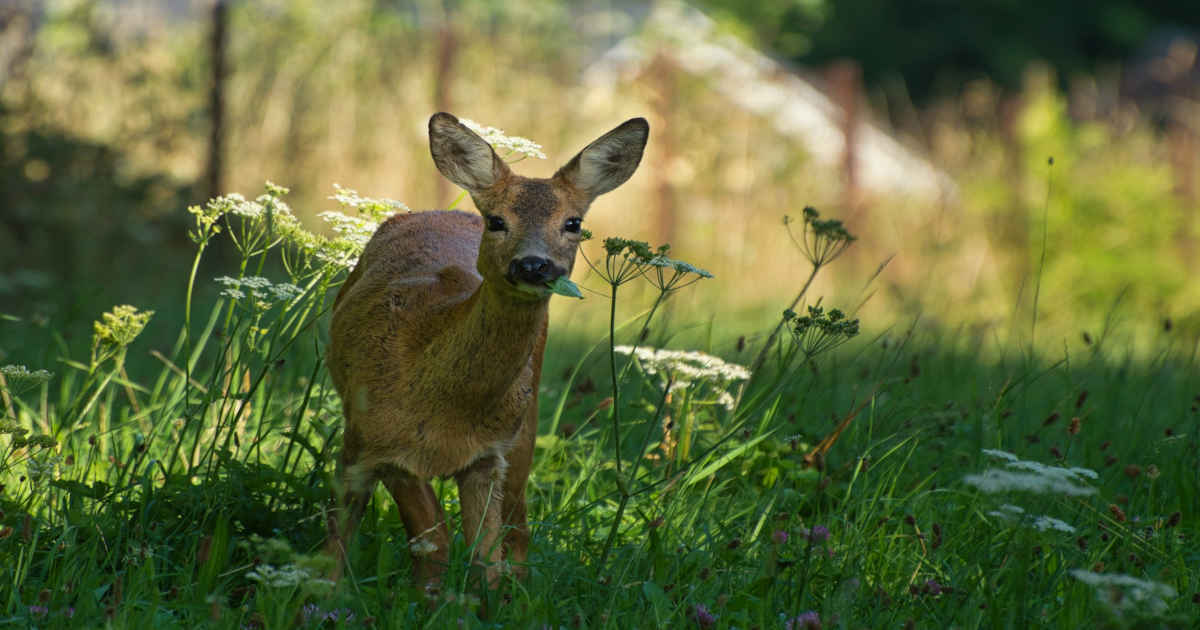
If you are a serious hunter, you are probably glad winter is over and ready to start your spring food plot. A well-planned food plot is essential for keeping deer returning year after year while also helping build a stronger, healthier herd. Spring food plots support bucks as they grow larger antlers and help does raise strong fawns. However, even experienced hunters can make critical mistakes that hurt their deer season before it even begins. Here are some of the most common food plot mistakes and how to fix them.
Why Soil Testing Is the Foundation of a Successful Food Plot
Before investing time and money into planting, make sure your soil is ready. A soil test is one of the most important first steps. Send a sample using a Whitetail Institute Laboratory Soil Test Kit and receive results within about a week. Once you have the results, follow the recommendations as closely as possible. Most deer forages thrive at a pH between 6.0 and 7.0. After testing, apply lime and fertilizer as needed to prevent thin, unproductive plots.
How Choosing the Wrong Location Can Ruin Your Food Plot
Even a perfectly planted plot can fail in the wrong location. Choose a site that is accessible during hunting season and consider both sunlight and wind direction. Without adequate sunlight, your plot will struggle to grow. If necessary, clear trees or branches to improve light exposure.
Selecting the Right Food Plot Crops for Your Region and Season
Food plots are not one-size-fits-all. Certain crops perform better depending on the region and time of year. Warm-season crops like soybeans provide excellent summer nutrition, while cool-season crops such as brassicas and clover thrive in fall and winter. Match your crops to your region and hunting goals for the best results.
How Weed Management Impacts Food Plot Growth and Deer Attraction
Planting is only the beginning. Without proper maintenance, weeds can quickly take over, stealing nutrients, sunlight, and moisture from your crops. In heavily infested plots, deer may avoid the area entirely.
Before planting, spot-spray with a glyphosate herbicide. For clover plots, mowing helps control weeds and encourages regrowth. If weeds persist, wait 10 to 14 days and spray again. Starting with a clean plot is critical for success.
When to Plant Food Plots for Maximum Deer Activity
Planting too early or too late can prevent your plot from peaking during hunting season. Plant too early, and it may be overgrazed before the season opens. Plant too late, and it may not mature in time. Understand your crop's growth timeline so it reaches peak attractiveness when it matters most.
Using Weather and Rainfall to Improve Food Plot Success
Moisture is essential for germination and growth. Planting before a dry spell can waste seed, while planting before heavy rain can wash seeds away. Monitor weather forecasts closely and aim to plant just before a steady, moderate rain.
The Importance of Proper Seedbed Preparation for Strong Germination
In most cases, you cannot simply "throw and grow" and expect success. Poor seed-to-soil contact leads to low germination rates. Use proper equipment like a Firminator, or at a minimum, loosen the soil and ensure good contact between seed and soil.
How to Prevent Deer from Overgrazing Your Food Plot
High deer density can destroy a plot before it becomes established. Smaller plots are especially vulnerable. To prevent this, consider planting larger plots, using exclusion cages, or selecting resilient species like clover that can withstand browsing pressure.
Why Diverse Food Plots Attract and Hold More Deer
A single crop will not hold deer interest for long. Their preferences change throughout the season, and monoculture plots quickly lose appeal. Planting a diverse mix of crops helps maintain consistent attraction.
Enhancing Food Plots with Habitat and Attraction Strategies
While attraction tools cannot replace a well-managed plot, they can enhance it. Mineralsites (where legal), water sources, and nearby cover all contribute to a more effective habitat. Think of your food plot as part of a complete deer management strategy.
Turning Food Plot Mistakes into Better Deer Hunting Success
Becoming a better land manager is not about one big secret; it is about consistently refining the details. From balancing soil pH to creating a diverse, year-round food source, each improvement increases your property's potential. These are not just routine tasks; they are strategic decisions that influence deer movement and help hold mature bucks when it matters most. Your next successful season starts long before opening day; it starts now, with a commitment to improving the system you have already built.