Winter Hunting Gear Checklist
Posted by Steven Bieber on April 06, 2026
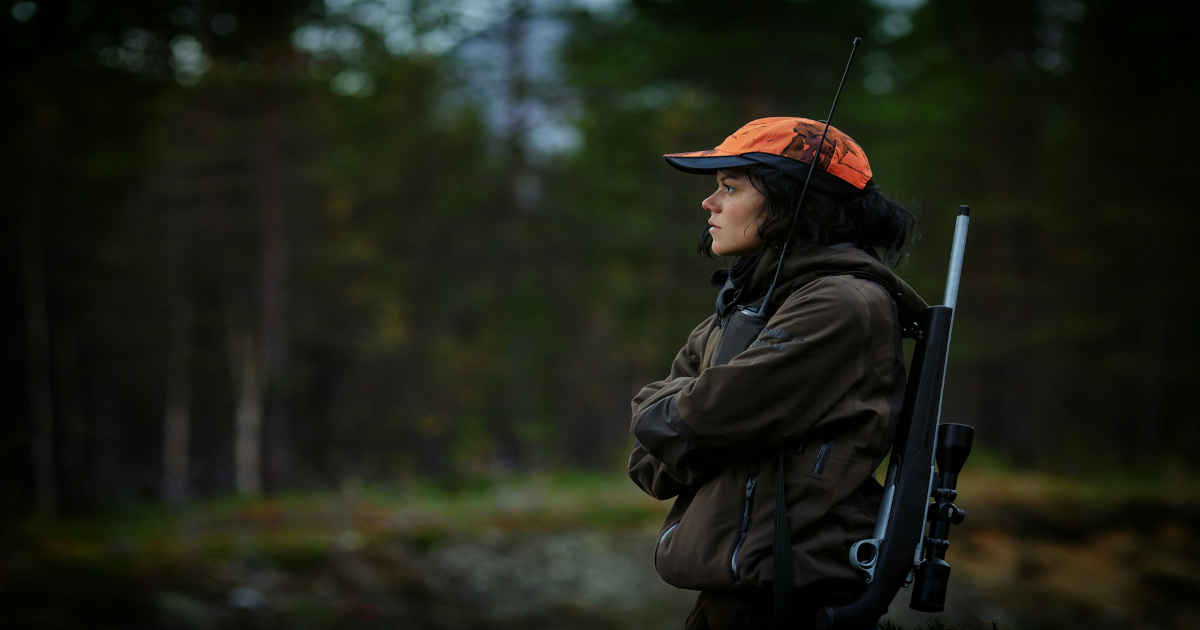
Pre-Season Preparation for Cold-Weather Hunts
Hunting season offers a short window of opportunity, which is why thorough preparation is essential. No matter what you're hunting or where you're hunting, having the right gear can make or break your season. This winter hunting checklist will help you prepare both your equipment and yourself for cold-weather conditions.
Choose the Right Firearm or Bow for Your Hunt
Select your weapon based on your target species, terrain, and personal preference.
Rifle
Ideal for longer shots ranging from 50 to 125 yards (or more, depending on caliber and conditions). Hunters choose rifles for their power and accuracy. They’re an excellent choice for larger game like elk and for open areas with high visibility.
Bow and Arrow
Bows allow for quiet shots at ranges between 20 and 50 yards. They require you to get closer to your target but offer stealth and minimal disturbance.
Muzzleloader
Offers a traditional hunting experience and is often used during designated muzzleloader seasons. Its single-shot nature appeals to hunters who enjoy an added challenge.
Handgun
Provides ease of carry and increased maneuverability. Handguns are useful for follow-up shots or hunting in dense vegetation where larger firearms may be cumbersome.
Crossbow
Like vertical bows, crossbows are effective at short ranges. They are generally easier to shoot accurately for beginners, but can be heavier and more cumbersome to carry.
Firearm & Optics Checklist for Cold Weather
Winter conditions can impact your equipment. Make sure everything is ready before opening day.
Firearm Maintenance
- Clean your firearm thoroughly and apply a light coat of cold-weather-rated lubricant.
- Confirm your zero before the season opens.
- Inspect scope mounts and screws for tightness.
- Test ammunition performance in cold conditions.
Bow Setup (For Archery Hunters)
- Inspect strings and cables for wear.
- Wax the bowstring to prevent drying and fraying.
- Check the sharpness of broadheads.
- Ensure your release aid functions properly.
Optics Preparation
- Clean lenses with an anti-fog solution.
- Pack spare batteries (cold weather drains power quickly).
- Store optics in an insulated pouch when not in use.
Winter Hunting Safety & Survival Gear
Weather conditions can change rapidly in winter. Be prepared for the unexpected.
Navigation Essentials
Snow-covered terrain can make it easy to lose your bearings. Carry:
- A fully charged GPS device
- A physical map and compass as backup
- Extra batteries
Emergency Kit Must-Haves
Cold-weather hunting can be dangerous. Include:
- Fire starter (waterproof matches, lighter, ferro rod)
- Emergency blanket or bivy sack
- Headlamp with spare batteries
- Comprehensive first aid kit (bandages, gauze, adhesive tape, tweezers, scissors, pain relievers, allergy medication, compression wraps, antiseptic wipes, and creams)
- High-calorie snacks
- Insulated water bottle to prevent freezing
Communication Plan
If you're hunting alone or in remote areas:
- Carry a fully charged phone
- Bring a satellite communicator if outside cell coverage
- Share your hunting plan and expected return time with someone at home
Tree Stand & Elevated Hunting Safety
Hunting from a tree stand provides a better vantage point but increases risk if proper precautions aren't taken.
- Inspect straps, cables, and chains for wear
- Replace any frayed or damaged components
- Wear a full-body safety harness at all times
- Practice safe climbing techniques
Field Dressing & Game Care Preparation
A successful harvest requires quick and proper field dressing to prevent spoilage, especially in fluctuating winter temperatures.
Essential Field Dressing Supplies
- Game bags
- Paracord
- Sharp, clean knife
- Bone saw (if necessary)
- Disposable gloves
Make sure you understand proper field dressing techniques before your hunt.
Physical & Mental Preparation for Winter Hunting
- Cold-weather hunting is physically and mentally demanding.
- Build stamina by spending time outdoors before the season
- Practice shooting while wearing gloves
- Scout access routes and understand how snow can work to your advantage
- Monitor weather forecasts leading up to your hunt
Final Pre-Hunt Night-Before Checklist
Complete these steps the night before your hunt:
- Charge all electronics
- Lay out your clothing system (dress in layers to regulate temperature and prevent sweating)
- Double-check licenses and tags
- Set your alarm (winter daylight hours are limited)
Every hunter's checklist will vary based on location, species, and personal preference. Review your gear carefully so you're not left in the cold without essential supplies. Proper preparation ensures a safer, more comfortable, and more successful winter hunting season.