How to Train Your Dog for Cold-Weather Hunting Success
Posted by Steven Bieber on February 25, 2026
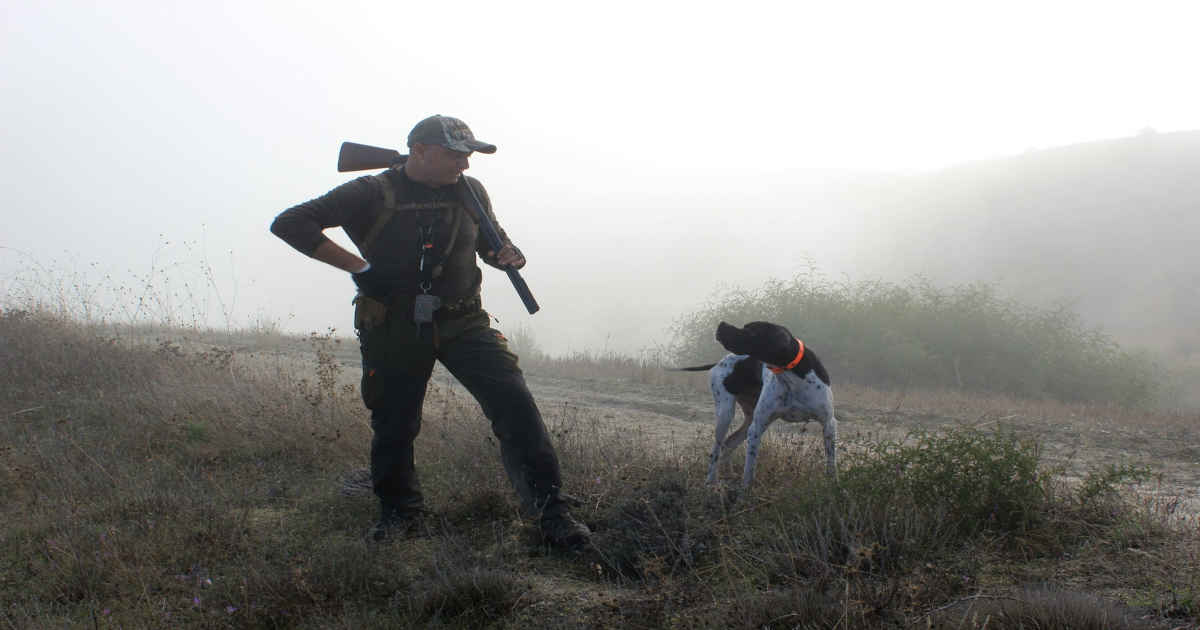
Why Dogs Are Excellent Hunting Companions
Even experienced hunters can improve their success in the field with a well-trained dog. Hunting dogs have superior senses, especially smell and hearing, along with the stamina needed to locate, track, and flush game efficiently.
They can retrieve downed animals from water, dense brush, or rough terrain that may be difficult for hunters to access. In addition to expanding your hunting range, dogs provide companionship and help ensure humane recovery by locating wounded or hidden game.
Before heading into the field, however, your dog must be properly trained. This guide explains how to train your dog for hunting and how to prepare them for cold-weather conditions.
Training Your Dog for Hunting: Essential Foundations
Start with Basic Obedience Training
Obedience training is the foundation of every successful hunting dog. Beginning as early as 8 weeks old, puppies should learn to follow commands, communicate effectively, and bond with their owners.
Core commands include:
Early training should also focus on impulse control and socialization. Exposing your dog to new people, animals, sounds, and environments reduces fear-based reactions later in the field. Proper obedience training improves safety, strengthens your bond, and provides essential mental stimulation.
Preparing Your Dog for Gunshots
Gunfire can frighten an untrained dog and cause them to panic or run away during a hunt. Gradual exposure is key.
Start by having your dog retrieve a decoy while someone fires a starter pistol from approximately 100 yards away. As your dog becomes comfortable, gradually decrease the distance over several sessions. Always ensure the dog remains calm and focused before moving closer.
This slow desensitization builds confidence and prevents negative associations with gunfire.
Teaching Your Dog to Locate, Flush, and Retrieve Game
Formal retrieval training typically begins at 6 to 7 months of age, once your dog has developed sufficient physical ability and mastered basic obedience.
Quartering Drills for Locating and Flushing Game
Quartering drills teach your dog to move in a zigzag pattern ahead of you, covering more ground than walking in a straight line. This method increases the likelihood of locating hidden game.
To train:
- Set up bumpers in a zigzag pattern.
- Use subtle arm signals to guide your dog.
- Reward them when they approach each bumper.
Consistent practice develops effective field coverage and responsiveness.
Retrieval Practice on Land and Water
Use decoys to simulate real hunting scenarios. Train on both land and in water to prepare your dog for varying terrain and conditions. Repetition builds reliability and confidence in retrieving downed game.
Conduct Practice Hunts and Hunting Tests
Hunting tests are sanctioned events that evaluate a retriever's abilities under simulated hunting conditions. These tests assess:
- Marking ability
- Memory
- Obedience
- Field performance
Participating in hunting tests is an excellent way to determine whether your dog is ready for real-world hunts.
Preparing Your Dog for Cold-Weather Hunting
Cold-weather hunting presents additional challenges. Proper conditioning and preparation are essential to protect your dog's health and maintain peak performance.
Why Cold-Weather Conditioning Matters
Cold temperatures put extra stress on a dog’s body, especially during long hunts across snow and uneven terrain. Even the toughest breeds have limits.
Dogs are vulnerable to:
- Hypothermia
- Frostbite
- Dehydration
Conditioning reduces these risks by building endurance, acclimating the body to colder temperatures, and ensuring your dog has the energy needed throughout the season.
Building Stamina for Winter Hunts
Begin exposing your dog to cooler weather gradually as temperatures drop. Start with short training sessions and slowly increase their duration.
Year-round conditioning activities such as:
- Swimming
- Running
- Agility drills
help build strong muscles and durable joints, which are essential for icy and slippery terrain.
Long retrieves, field runs, and steady pointing sessions improve both physical endurance and mental focus, ensuring consistent performance during hunting season.
Proper Hydration and Nutrition in Cold Weather
Dogs burn more calories in cold weather to maintain body heat. Increase your dog's caloric intake during the hunting season, prioritizing high-quality protein and healthy fats to support energy levels and muscle recovery.
Hydration is equally important. Even in cold temperatures, dogs can become dehydrated. Always carry fresh water and encourage regular drinking breaks.
Protecting Paws and Preventing Frostbite
Ice, snow, and road salt can damage your dog's paws, leading to cracked pads, irritation, and injury.
To protect their paws:
- Trim fur between paw pads to prevent ice buildup
- Inspect paws daily for cuts or cracks
- Apply paw balm before and after hunts
Ears, tails, and paws are especially vulnerable to frostbite. Watch for pale, grayish, or unusually cold skin as early signs of tissue damage. Limit exposure during extreme weather conditions.
Safety, Warm-Ups, and Recovery
Like athletes, hunting dogs require proper warm-ups and cool-downs.
Before a hunt:
- Do light jogging or obedience drills
- Gradually increase activity to loosen muscles
After a hunt:
- Reduce activity slowly
- Dry their coat thoroughly
- Inspect paws and extremities
- Provide rest days between intense hunts
Essential cold-weather gear includes:
- A towel or blanket for drying and warmth
- Paw balm
- Fresh water
- Access to shelter
Know the signs of hypothermia, such as excessive shivering, weakness, or slowed responsiveness. As a handler, you are responsible for your dog's safety.
Best Hunting Dog Breeds by Game Type
According to the American Kennel Club, the following breeds excel in specific hunting roles:
Best Dog Breeds for Locating Quarry
- German Wirehaired Pointer – Performs well on land and in water, even in harsh terrain.
Best Breeds for Flushing Birds and Waterfowl
- English Springer Spaniel – Compact but highly effective bird hunters.
- Irish Water Spaniel – Water-repellent coat ideal for rough, wet conditions.
- Boykin Spaniel – Smaller size makes them perfect for hunting from boats.
Top Retrievers for Birds and Waterfowl
- Labrador Retriever – Intelligent, energetic, and equipped with a short, waterproof coat.
- Nova Scotia Duck Tolling Retriever – Their fox-like appearance can lure curious ducks within range.
Best Dog Breeds for Small Game
- Treeing Walker Coonhound – Excellent at tracking raccoons and signaling their location.
- Pharaoh Hound – Fast and agile, ideal for chasing rabbits.
Best Breeds for Large Game Hunting
- Norwegian Elkhound – Skilled at tracking moose and holding them at bay.
- Karelian Bear Dog – Brave and resilient in harsh conditions; alerts hunters when prey is located.
Final Thoughts on Training a Dog for Cold-Weather Hunts
Hunting dogs enhance your success in the field with their intelligence, speed, endurance, and advanced senses. However, proper training is essential for both performance and safety.
Invest time in obedience training, field drills, and cold-weather conditioning. Prepare your dog physically and mentally for winter conditions, and choose a breed suited to your hunting environment and target game.
With the right preparation, your hunting dog can become your most valuable partner in the field.