Winter Coyote & Wolf Hunting: Proven Tactics for Success
Posted by Steven Bieber on March 25, 2026
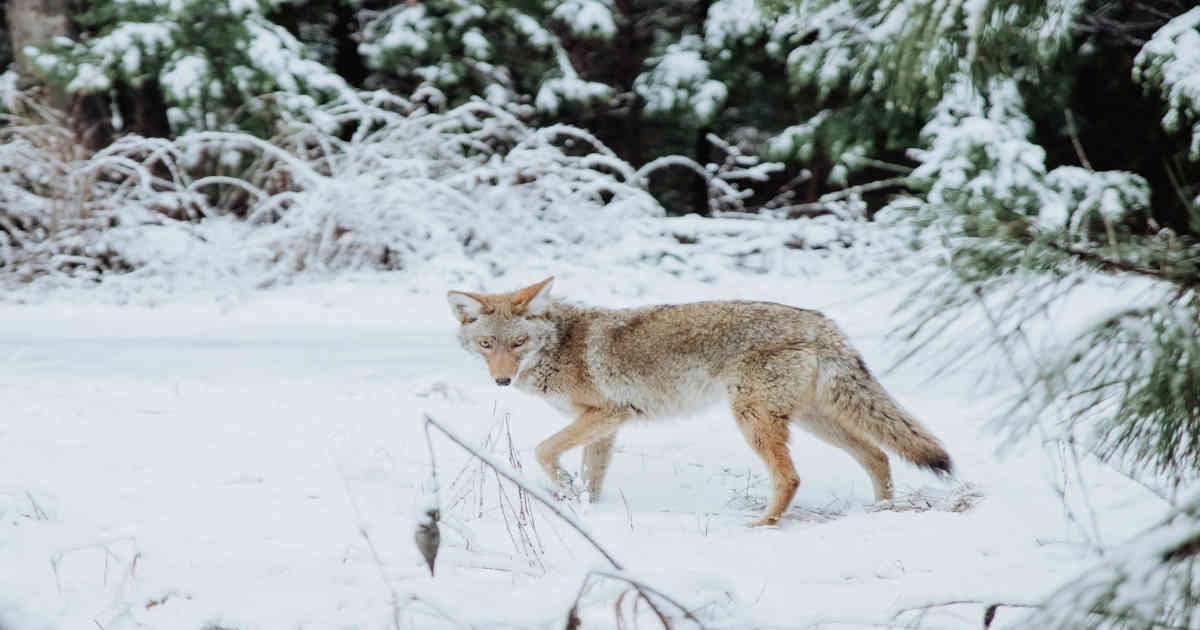
Hunting predators like coyotes and wolves presents unique challenges compared to hunting deer or small game. While it can be more exciting and rewarding, it requires a specialized skill set, different tactics, and the right equipment. This guide explains the most effective techniques and gear for winter predator hunting.
Why Do People Hunt Coyotes and Wolves?
People hunt coyotes and wolves for several reasons, including livestock protection, population management, and reducing predation on game animals such as deer and elk. Many hunters also pursue them for sport, fur harvesting, and disease control.
Coyotes are well known for preying on young calves, lambs, poultry, and small livestock, making them a major concern for farmers and ranchers. Wolves and coyotes also hunt deer, elk, and other big game, and controlling predator populations helps maintain healthy herds.
In addition, coyotes can carry rabies and other diseases that may spread to pets and, in rare cases, humans. Some hunters also target predators for recreational purposes or to sell pelts.
Why Winter Is the Best Time for Predator Hunting
Better Visibility and Easier Tracking
Winter is widely considered the most effective season for hunting coyotes and wolves. Snow-covered landscapes make tracks, trails, and bedding areas easy to identify, allowing hunters to scout and pattern predator movement more efficiently.
Increased Winter Activity
Food is scarce during winter, forcing predators to travel farther and hunt more frequently. Coyotes and wolves are also more active during daylight hours compared to warmer months and tend to respond more aggressively to calls. Peak activity typically occurs during the first and last hours of daylight.
Mating Season Aggression
Coyote and wolf mating season runs from January through March. During this time, predators are more territorial, vocal, and less cautious, making them more likely to respond to calling techniques.
Reduced Natural Cover
With leaves off the trees and vegetation thinned out, predators have less cover to hide in winter. This makes them easier to spot and often pushes them into more open, huntable terrain.
Essential Strategies for Winter Predator Hunting
Locating and Tracking Predators
Tracking predators is much easier in the snow. Look for fresh tracks, trails, and high-traffic areas such as ridge tops, travel corridors, and the leeward sides of hills where predators commonly move.
Wind Direction and Scent Control
Cold winter winds can work in your favor if used correctly. Always set up downwind of where you expect predators to approach. Coyotes and wolves rely heavily on their sense of smell, and poor scent control or positioning will alert them immediately. Stay downwind and use scent removal products.
Effective Calling Techniques
Electronic callers are highly effective for winter predator hunting. Start with distress calls that mimic wounded prey, such as rabbits or fawns, to trigger a feeding response. Occasionally, mix in howls to imitate a rival coyote encroaching on their territory.
Patience is critical. Coyotes and wolves are extremely cautious and will often circle downwind before committing. Allow plenty of time for them to respond and approach.
Challenges of Hunting Predators in Winter
Winter hunting presents physical and mental challenges. Cold temperatures can quickly wear you down without proper preparation. Wear appropriate winter clothing to stay warm while maintaining mobility.
Cold air also carries scent more efficiently, so scent control and wind awareness are even more important. Snow and freezing temperatures can also affect equipment performance and setup, requiring extra preparation.
Essential Gear for Winter Predator Hunting
- Gear: Thermal scanners or night vision for low-light conditions
- Calls: Electronic callers with lithium batteries, as cold weather drains standard batteries quickly
- Decoys: Motion decoys to attract attention in open, snowy terrain
- Stability: Shooting sticks or bipods for accurate shots at longer distances
Final Tips for Successful Winter Coyote and Wolf Hunting
Coyotes and wolves are hunted to protect livestock and pets, reduce disease risks, manage predator populations, and harvest fur. Winter offers significant advantages for predator hunting, including increased visibility, easier tracking, reduced cover, and higher activity levels.
For success, focus on tracking techniques, wind and scent control, effective calling strategies, and proper winter gear. Staying warm, patient, and prepared will greatly increase your chances of a successful winter predator hunt.