How to Stay Dry and Comfortable While Hunting in the Snow
Posted by Steven on February 24, 2026
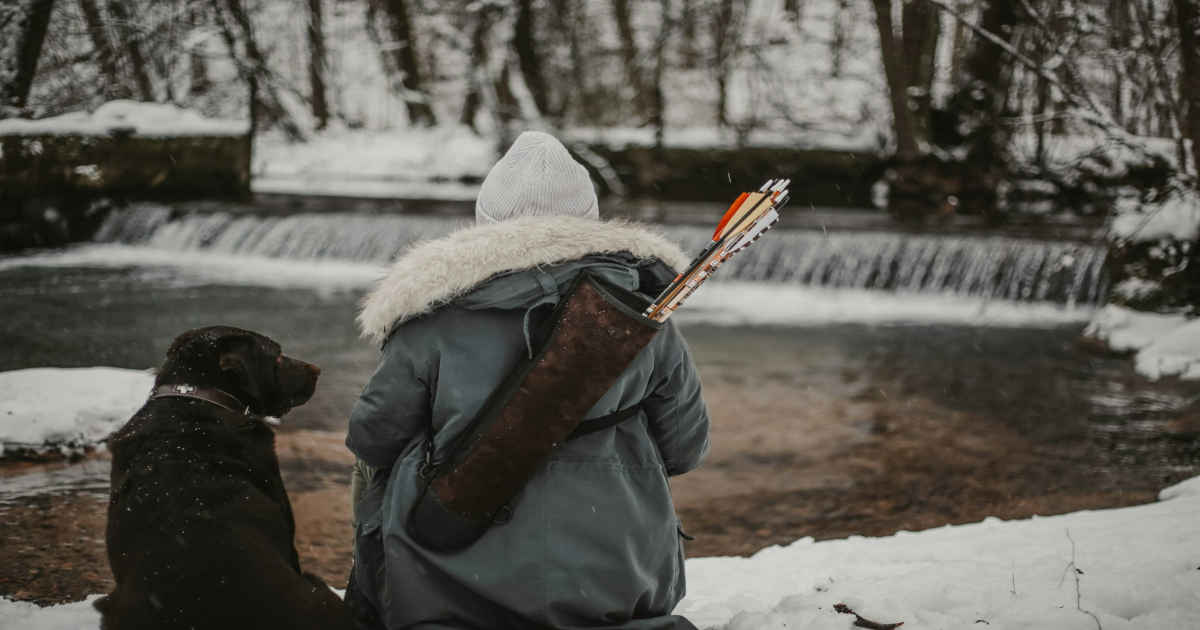
When hunting in cold, snowy conditions, staying warm is imperative. One of the most important ways to maintain body heat is to stay dry. While most hunters understand the need to stay warm, many do not fully understand the best techniques for managing moisture. This guide explains how to dress properly to stay dry and how to maintain body heat while hunting in the snow.
Dangers of Cold Weather, Wet Clothes, & Dampness
Maintaining body temperature is crucial while hunting in cold conditions to prevent serious health issues. Damp clothing, especially in freezing temperatures, accelerates heat loss and increases the risk of injury.
- Hypothermia & Frostbite: Damp clothing (particularly cotton) loses insulation, which heavily increases heat loss and the risks of severe cold injuries.
- Trench Foot (Immersion Foot): Prolonged exposure of your feet to cold, wet, and unsanitary conditions constricts blood vessels, damages tissues and nerves, and impairs circulation. This can lead to pain, swelling, numbness, and blisters.
- Chilblains: Painful, itchy bumps on fingers and toes from being cold and damp.
- Increased Strain: Cold weather makes your heart work harder. Thick, sticky blood in cold conditions can raise the risk of clots.
Master Your Layering System
The most effective way to manage heat and moisture is to dress in layers rather than relying on a single heavy garment. A proper layering system allows you to regulate your body temperature and prevent sweat from soaking your clothing.
Base Layer (Moisture Management)
Your base layer plays a critical role in moisture management. Merino wool or high-quality synthetic materials wick sweat away from the skin and help keep you dry. Cotton should be avoided whenever possible because it traps moisture and causes rapid heat loss. Midweight base layers work best for active hunting, while heavyweight options are better suited for long periods of sitting.
Mid Layer (Insulation)
The mid layer provides insulation by trapping heat close to the body. Fleece, wool, and synthetic insulation are all effective choices. Garments with zippers allow you to vent heat during periods of exertion, and carrying an extra insulating layer in your pack is useful for glassing or long sits.
Outer Layer (Weather Protection)
Your outer layer serves as protection from wind, snow, and moisture. It should be waterproof or highly weather-resistant while remaining breathable. Quiet fabrics are important for bow hunting or close-range rifle hunting, and durable water repellent finishes help snow shed off the fabric before it melts and soaks in.
Controlling Sweat in Cold and Snowy Conditions
Controlling sweat is absolutely crucial while hunting in cold and snowy environments. Excessive sweating leads to damp clothing, which can quickly cause heat loss once you stop moving. Removing hats or layers during exertion, venting clothing before overheating, and taking short breaks can help regulate body temperature. If possible, changing damp base layers once you stop moving will significantly improve warmth and comfort.
Keeping Your Feet Dry With Proper Winter Footwear
Cold feet can quickly bring a hunt to an end. Insulated, waterproof boots rated for snowy temperatures are essential for winter hunting. Wool or synthetic socks help retain warmth even when damp, and carrying an extra pair is always a good idea. Gaiters are useful for keeping snow out of your boots, especially in deep snow. If you plan to walk long distances, avoid over-insulated boots, as excessive insulation can lead to sweating and moisture buildup.
Keeping Your Hands and Head Warm
Heat is lost rapidly through the extremities, making it important to protect your hands and head. Gloves should provide warmth while still allowing enough dexterity to handle gear and firearms. Chemical hand warmers can provide additional heat during long sits. For your head and neck, a gaiter combined with a windproof hood helps block blowing snow and reduce heat loss.
Avoid Sitting Directly in the Snow
Sitting directly in the snow will quickly soak your clothing and pull heat away from your body. Using an insulated seat cushion when sitting on the ground or in a stand helps prevent moisture transfer and heat loss. Avoid kneeling directly in the snow while glassing, as prolonged contact with snow can rapidly chill your lower body.
Planning for Snow and Wind Exposure
Snow and wind management play a major role in staying warm. Brushing snow off your clothing before it melts helps keep fabric dry. When glassing or sitting, positioning yourself with your back to the wind reduces exposure. Using terrain features such as trees, ridges, or rocks can provide natural wind protection and conserve body heat.
Maintaining Energy and Hydration in Cold Weather
Staying comfortable in cold conditions requires proper nutrition and hydration. Eating high-fat, energy-dense foods such as nuts, beef sticks, and protein bars helps fuel your body and generate heat. Drinking plenty of water is just as important in cold weather as it is in warm conditions. Excessive caffeine should be avoided, as it can increase heat loss and dehydration.
Conclusion: Stay Dry, Stay Comfortable While Snow Hunting
Staying dry is essential for maintaining body temperature while hunting in the cold. Failure to manage moisture can lead to rapid heat loss and serious health risks. Dressing in layers allows you to adjust to changing conditions while protecting your hands, feet, and head, which helps prevent heat loss. Avoid sitting directly in the snow, manage sweat carefully, and use natural terrain to shield yourself from wind and snow for a safer and more comfortable hunt.