Winter Wild Game Recipes: How to Prepare and Cook Venison, Rabbit, and Duck
Posted by Steven on January 08, 2026
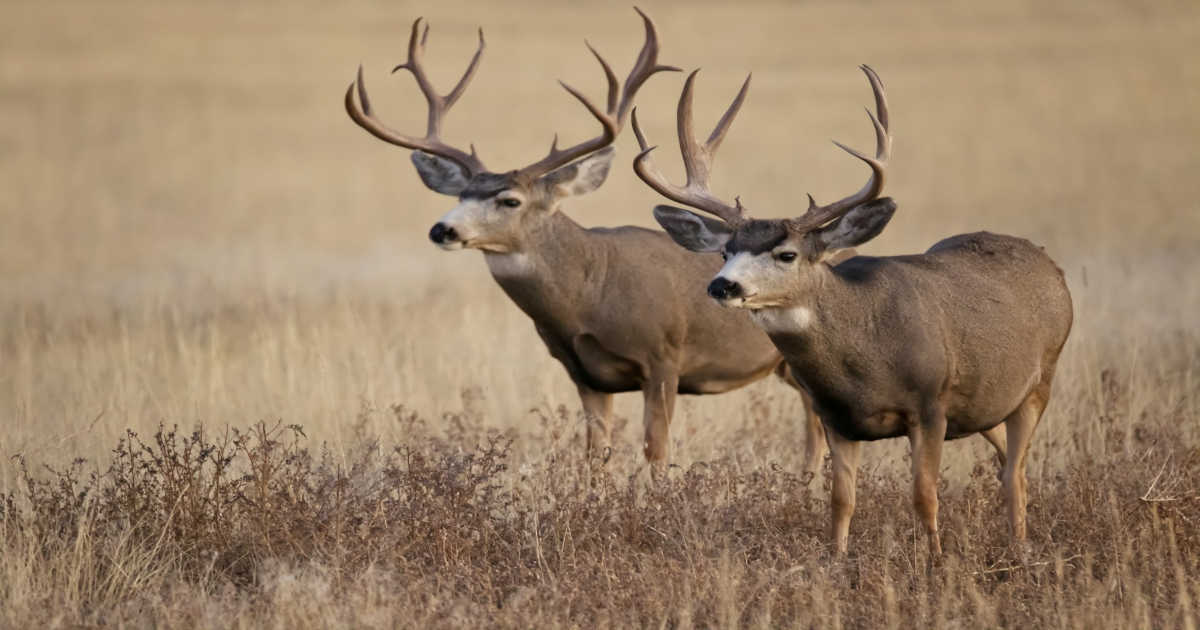
Introduction to Winter Wild Game Cooking
Congratulations! The patience of sitting out in the elements waiting for the perfect shot has finally paid off. Now that you've harvested your game, the next question is: What will you cook with it? To help you fully enjoy your hard-earned meal, we'll explain how to prepare your venison, duck, and rabbit for cooking.
How to Prepare and Cook Venison
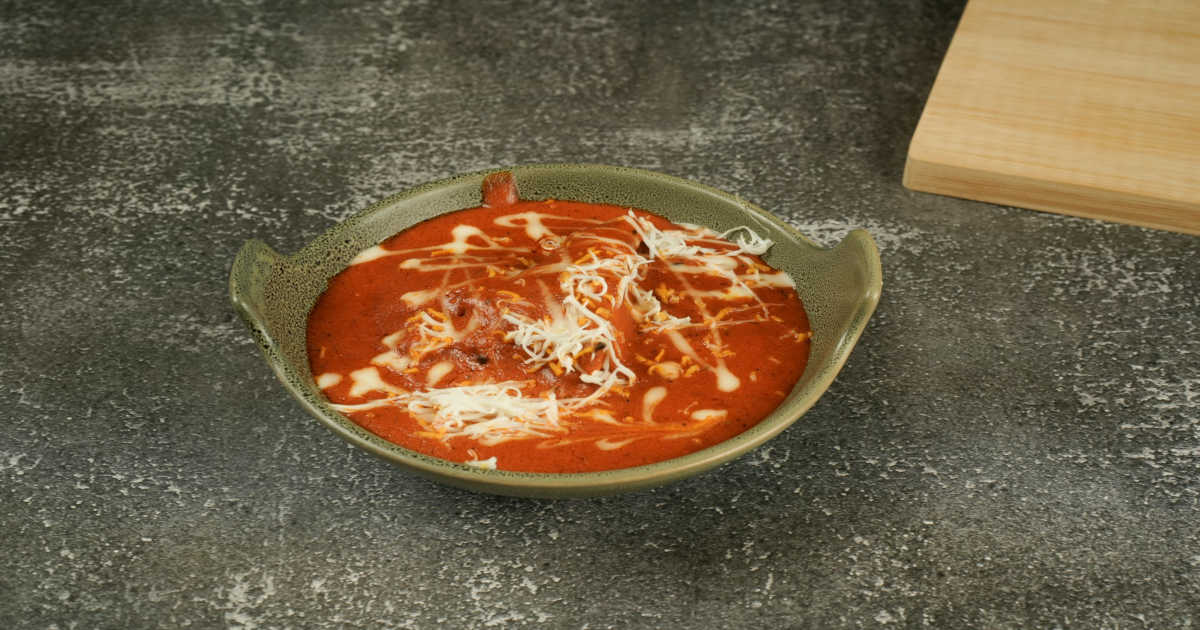
Compared to beef, venison is lower in fat, higher in protein, and rich in nutrients like iron and B vitamins. It also contains nearly a thousand fewer calories per pound than beef.
Preparing Ground Venison
When preparing ground venison for dishes like chili, tacos, or burgers, you may want to add moisture with animal fat to prevent it from drying out. Because venison is so lean, it can overcook quickly. Remove it from the heat as soon as it's fully cooked.
Preparing Venison Steaks
- For venison steaks, the preparation is a bit more detailed:
- Trim excess fat and silverskin (the tough, white membrane that can make the meat chewy) using a sharp knife.
- Pat the meat dry with paper towels to ensure a good sear and avoid steaming.
- Marinate for up to 24 hours with herbs and spices to tenderize the meat. You can also soak venison in a saltwater solution for up to 24 hours to help retain moisture.
- Optional flavor adjustments: Add dry herbs and spices during marinating, or soak the meat in buttermilk if you prefer a stronger, gamey flavor.
- Add fat and final seasonings just before cooking.
Best Venison Chili Recipe for Cold Weather
One of the most popular ways to use ground venison is in chili. Below is a recipe from Meggan Hill, which can be prepared on the stovetop, in a slow cooker, or in an Instant Pot.
Ingredients
- 2 tablespoons olive oil
- 2 onions, chopped
- 1 green bell pepper, stemmed, seeded, and chopped
- 4 tablespoons chili powder
- 2 tablespoons ground cumin
- 1 tablespoon dried oregano
- 2 teaspoons chipotle chili powder
- 2 teaspoons dried thyme
- 1 teaspoon ground coriander
- Salt and freshly ground black pepper
- 8 cloves garlic, minced
- 2 pounds ground venison
- 2 (15.5-ounce) cans kidney beans, drained and rinsed
- 2 (10-ounce) cans fire-roasted diced tomatoes with green chiles, undrained
- 1 (28-ounce) can tomato purée
- 1 bay leaf
- Shredded cheese, scallions, and sour cream, for serving
Instructions
- Heat the oil in a Dutch oven or stock pot over medium-high heat until shimmering. Add the onions, bell pepper, chili powder, cumin, oregano, chipotle chili powder, thyme, coriander, 1/2 teaspoon salt, and 1/4 teaspoon pepper. Cook for 7–10 minutes or until the vegetables are softened.
- Stir in the garlic and cook until fragrant, about 30 seconds. Add the venison and cook, breaking it apart with a spoon, until no longer pink, about 5 minutes.
- Add the kidney beans, tomatoes, tomato purée, and bay leaf. Bring to a simmer and cook covered for 30 minutes, then uncover and simmer for an additional 30 minutes.
- Remove the bay leaf, adjust seasoning with salt and pepper, and serve topped with shredded cheese, scallions, and sour cream.
How to Clean and Butcher a Rabbit for Cooking
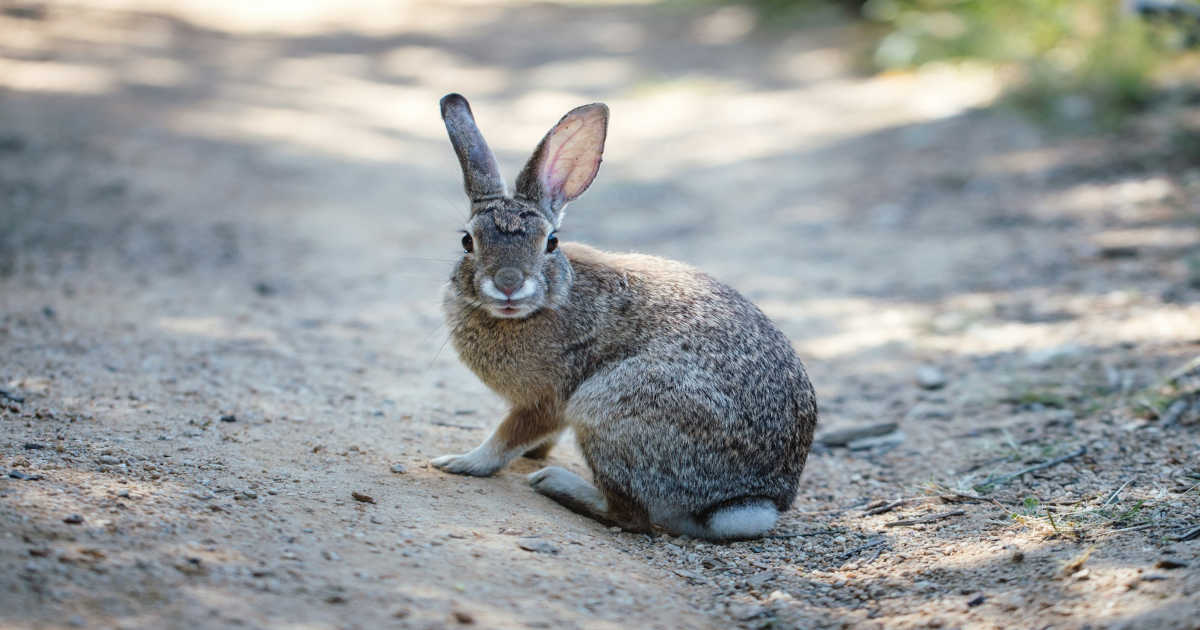
Unlike deer, which are typically processed professionally, rabbits often need to be cleaned and prepared by the hunter. If you plan to cook a stew, here is how to prep the rabbit.
Cleaning the Rabbit
- Make an incision along the belly from the anus to the ribs, being careful not to puncture the intestines.
- Remove all entrails and organs.
- Remove the head and feet if desired.
- Wipe out the body cavity with paper towels, rinse with clean, cold water, and allow it to drain from the exit hole.
Tenderizing and Reducing Gamey Flavor
- Soak the rabbit in ice water for 24-48 hours in the refrigerator. Adding a small amount of vinegar helps draw out blood and mellow the flavor.
- For tenderizing, cover the rabbit in buttermilk and marinate for 2-8 hours in the refrigerator.
Butchering the Rabbit
- Use a sharp knife or cleaver to cut the rabbit into the desired pieces.
- To remove the legs, dislocate the joints, and cut through the meat; repeat with the forelegs.
- Split the rib cage down the back, then separate the ribs from the loin, or cut the backbone into smaller sections.
- These pieces can be used for stew, frying, or braising.
Rabbit Stew and Other Rabbit Recipes
Once the rabbit is prepped, you're ready to turn it into a hearty stew. Stephanie Rapone’s recipe for Rabbit Stew with Mushrooms is a great choice. You can find full instructions through her recipe link.
Other delicious rabbit dishes include The White Rabbit, Braised Rabbit with Garlic, and Rabbit with Morels and Gnocchi.
Cooking Duck: Whole Duck vs. Duck Breasts
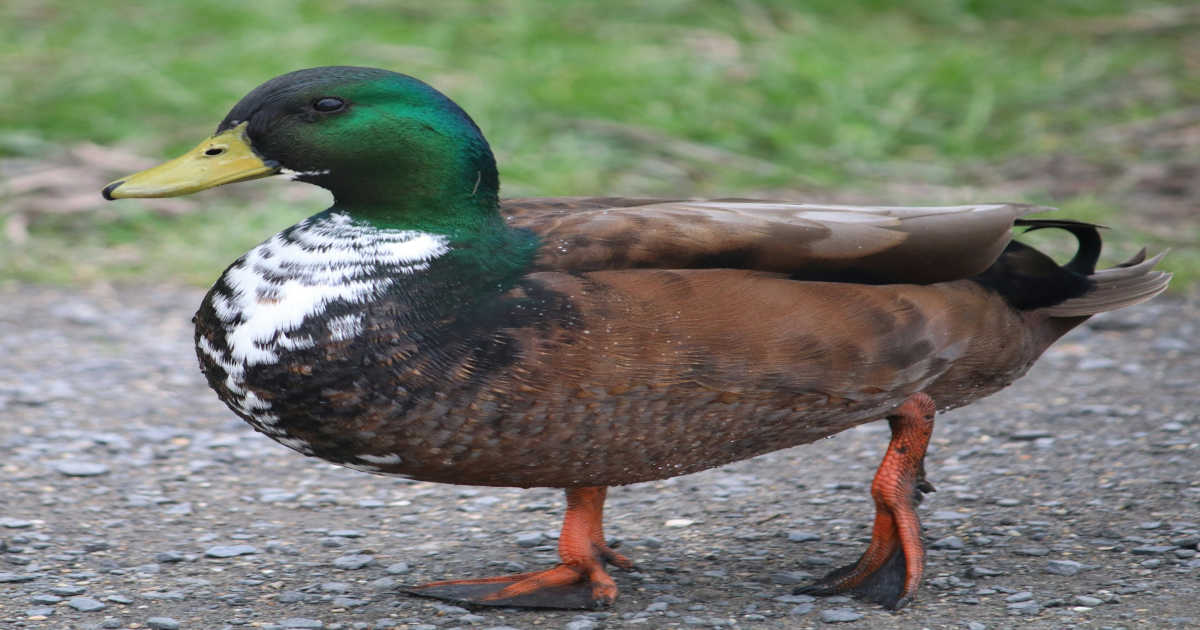
The preparation steps differ depending on whether you're cooking a whole duck or just the breasts.
For a Whole Duck
- Thaw completely: Allow 1-2 days in the refrigerator if using a frozen duck.
- Remove giblets: Take out the neck and giblets from the cavity and reserve for stock or gravy if desired.
- Rinse and dry well: Rinse inside and out with cold water and thoroughly pat dry. This is essential for crisp skin.
- Trim excess fat: Remove large pieces of fat around the neck or cavity. You can save the trimmings for rendering.
- Score the skin: Use a sharp knife to make a crosshatch or diamond pattern in the skin, cutting only through the skin and fat, not the meat.
- Season generously: Use salt, pepper, and herbs like thyme, rosemary, or five-spice.
- Optional: Stuff the cavity with aromatics such as citrus, onion, garlic, or herbs.
- Optional but recommended: Air-dry the duck uncovered in the refrigerator overnight for the crispiest skin.
- Bring to room temperature for 30-60 minutes before cooking.
For Duck Breasts
- Let the breasts come to room temperature about an hour before cooking.
- Pat dry thoroughly with paper towels.
- Score the skin in a crosshatch pattern without cutting into the meat.
- Season with salt and pepper right before cooking.
- Ducks can be cooked in the oven, on the grill, or even over a campfire.
Conclusion: Bringing Your Harvest from Field to Table
Whether you're cooking venison, rabbit, or duck, preparing wild game is a rewarding way to honor the hunt and enjoy a meal you truly earned. With the right techniques, your harvest can become a tender, flavorful dish that brings comfort on cold winter days. From hearty stews to perfectly seared steaks, each recipe connects you to the outdoors and the tradition of living off the land. So the next time you head out into the winter woods, remember the real satisfaction begins not just when you make the shot, but when you cook what you've caught.