Treestand Safety & Inspection Checklist: How to Prepare for Opening Day
Posted by Steven Bieber on September 28, 2026
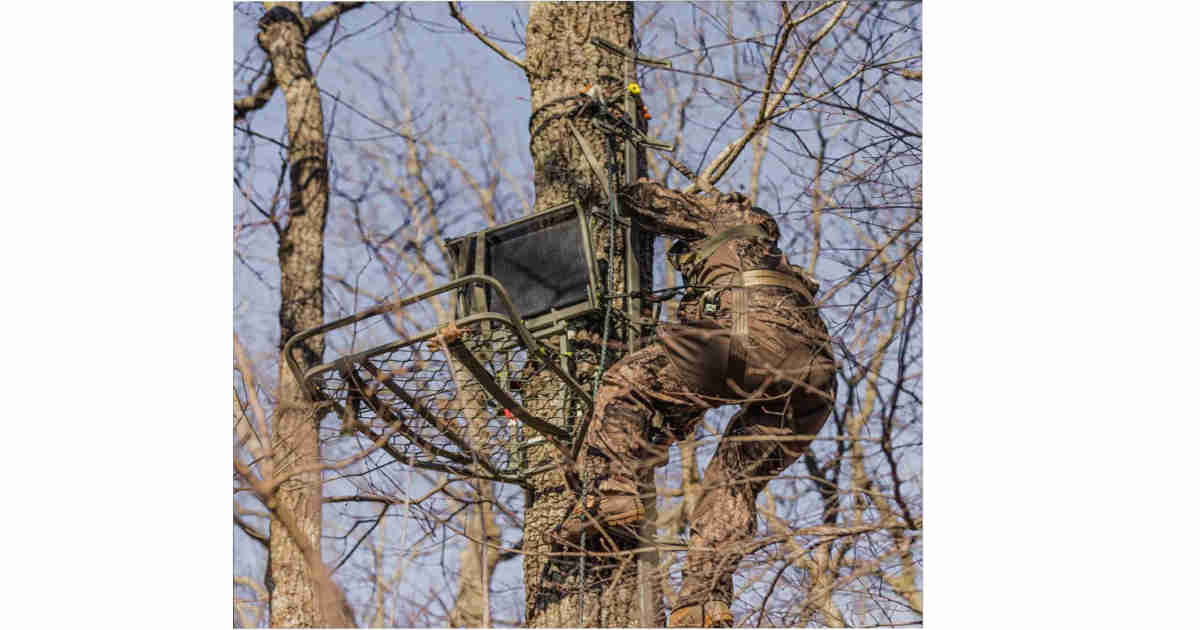
For hunters, opening day seems to sneak up every year. As summer comes to a close, it's time to start preparing for the hunting season. If you plan to hunt from a treestand, taking time to inspect your equipment and review safe climbing procedures can help reduce the risk of accidents and injuries.
Use this treestand safety and inspection checklist before opening day to make sure your stand, safety equipment, climbing system, and hunting gear are ready for the season.
1. Inspect the Treestand, Climbing Sticks, and Straps
Before you place the treestand in a tree, lay the treestand, hang-on stand, and climbing sticks on the ground in daylight. Carefully inspect the welds and frame joints for hairline cracks, rust bubbling beneath the paint, or welds that look different from the others. If you find damage that compromises the stand, do not use it. Follow the manufacturer's guidance for whether the equipment can be safely repaired or must be replaced.
Next, inspect all ratchet straps, chains, and other attachment hardware. Look for fraying, UV damage, stiff or brittle webbing, and cuts caused by being cinched tightly against tree bark.
Check ratchets for damaged teeth and inspect cables for broken strands. Any damaged attachment component should be replaced before the stand is used.
Bolts on the platform and seat hardware can loosen over a season because of vibration and repeated temperature changes. Check every bolt, nut, and fastener, not just the ones that appear loose, and tighten them according to the manufacturer's specifications.
For climbing-stick strap buckles, inspect every buckle for cracks or other damage. Pay particular attention to plastic cam buckles, which can become brittle during storage. Make sure each buckle closes properly and holds securely before putting the climbing sticks back into service.
2. Inspect Your Full-Body Harness and Tether
If you plan to hunt from a treestand, you should wear a properly fitted full-body harness and remain connected to the tree according to the manufacturer's instructions. Your harness and tether are critical pieces of your treestand safety system, so inspect them carefully before the first hunt.
An older harness may not show obvious damage in the same way a treestand does. Check the webbing for fraying, cuts, mildew stains, or areas that feel stiff or brittle compared with when the gear was new.
Inspect the stitching for loose threads, pulled stitches, or seams that appear to be separating. Small signs of damage can indicate that the equipment has been compromised.
Check every buckle and D-ring for cracks, deformation, or other damage. Inspect metal hardware for rust or corrosion that could affect its strength or function.
Give extra attention to the tether and lineman's belt. These components are frequently handled because they are connected and disconnected during climbing and descending. Never assume they are still in good condition. Inspect them before each season and follow the manufacturer's inspection and replacement guidelines.
3. Review Your Treestand Climbing Procedure and Lineman's Belt
You are especially vulnerable while climbing because you are moving between the ground and your hunting position. Using a lineman's belt as part of an appropriate climbing system can help keep you connected to the tree while leaving your hands free to handle your equipment.
Before the season, practice your climbing procedure on the ground and review the instructions provided with your treestand and safety equipment.
A typical climbing sequence includes:
- Connect the lineman’s belt from the ground before stepping onto the first climbing stick.
- Advance the lineman’s belt as you climb, maintaining connection to the tree throughout the climb.
- Once you reach hunting height, attach your lifeline or tether securely to the tree according to the manufacturer’s instructions.
- Only after the tether is properly secured should you disconnect the lineman’s belt.
- Reverse the sequence when descending: reconnect the lineman’s belt before removing the tether, then remain connected throughout the descent.
Never skip a step because you think you are close enough to the stand or because the climb seems easy. Staying connected and following the proper procedure every time can reduce the risk of a fall.
4. Safely Handle Your Bow or Firearm With a Haul Line
Never climb with a bow or firearm in your hands. Use a haul line to raise your hunting equipment after you are safely in position.
Before climbing, unload firearms and keep the action open. For bows, attach the haul line to the riser rather than the string or cams. Use a haul line with a large, easy-to-grab loop at each end for easier handling while wearing gloves or other hunting gear.
Once you are safely on the platform and secured, raise your equipment with the haul line. Keep the firearm pointed in a safe direction and follow all applicable firearm-safety rules. For bows, keep the bow positioned so it cannot become tangled with the haul line.
Secure your hunting pack with a separate hook or strap so it cannot roll or fall off the platform. Coil excess haul line in a safe location to prevent ankle snags, and make sure nothing is hanging between the stand and climbing system where it could become caught.
5. Run a Quick In-stand Safety Checklist
Once you are safely in the stand, take a moment to check your surroundings and equipment before settling in.
Confirm that you are securely connected to your tether and that your feet are firmly planted on the platform. If you use the seat, ease into it carefully and make sure it supports your weight properly.
Keep leaves, mud, ice, and other debris off the platform so you maintain good traction. Before hunting, practice the movements you may need to make during the hunt and check your shooting lanes with your bow or an unloaded firearm.
Pay attention to your tether and other safety equipment as you move. Make sure the tether remains positioned according to the manufacturer's instructions and does not interfere with your movements or equipment.
6. Prepare an Emergency Plan Before Opening Day
Never head to your treestand without an emergency plan. Tell someone where you will be hunting and when you expect to return. If your plans change, let that person know.
Carry a fully charged phone where you can reach it quickly, such as in a secure chest pocket or hip holster. Depending on where you hunt, you may also want to carry a whistle or personal locator beacon.
Consider keeping a suspension-relief strap or foot loop designed for use with your harness readily accessible. If you experience a fall and are suspended in your harness, a properly used suspension-relief device can help relieve pressure on the legs while you work to get back onto the platform or obtain assistance.
Know how you will contact someone for help and what you will do if you cannot climb back to the stand. A few minutes spent planning for an emergency before opening day can make a significant difference if something goes wrong.
7. Record Problems and Shut Down the Stand Safely
Treestand safety doesn't end when the hunt is over. Continue following the same safety procedures when leaving the stand.
Lower your unloaded firearm or bow with the haul line before climbing down, then secure your other equipment. Before descending, make sure your climbing and safety system is properly connected and follow the same procedure you used when climbing up.
After you return to the ground, make a note of anything that seemed loose, awkward, noisy, or damaged. Use a notes app or small notebook as a treestand safety log throughout the season. Recording problems as you notice them can help you remember what needs to be repaired, replaced, or adjusted before your next hunt.
Conclusion: Make Treestand Safety Part of Your Opening Day Routine
Many treestand accidents occur when hunters take shortcuts or use damaged, improperly installed, or malfunctioning equipment. Before opening day, inspect your treestand and climbing equipment, check your full-body harness and tether, review your climbing procedure, and prepare an emergency plan.
Most importantly, follow the same safety procedures every time you climb into or out of a treestand. Taking a few extra minutes to inspect your equipment and stay connected can help you spend more time focused on the hunt and less time worrying about preventable accidents.
Frequently Asked Questions About Treestand Safety
1. How often should you inspect a treestand?
Inspect your treestand, climbing sticks, straps, harness, tether, and other safety equipment before every hunting season and before each hunt. Look for cracks, rust, damaged welds, worn straps, loose hardware, frayed webbing, and other signs of damage or wear.
2. Do you need to wear a harness in a treestand?
Yes. A properly fitted full-body harness is an essential part of a treestand safety system. Hunters should remain connected to the tree in accordance with the manufacturer's instructions while climbing, hunting, and descending.
3. What should you check when inspecting a treestand?
Check the stand and climbing equipment for cracked or damaged welds, rust, bent components, loose bolts, worn straps, damaged buckles, and other signs of wear. Inspect your full-body harness, tether, and lineman's belt for fraying, cuts, corrosion, damaged stitching, or other defects. Do not use damaged safety equipment.
4. What is a lineman's belt used for when climbing a treestand?
A lineman's belt helps keep you connected to the tree while climbing or installing a treestand system. It allows you to keep your hands free while maintaining a connection to the tree. Always use a lineman's belt according to the manufacturer's instructions and your specific climbing system.
5. What is the safest way to climb into and out of a treestand?
Follow the climbing procedure recommended by your treestand and safety-equipment manufacturers. Stay connected to the tree throughout the climb and descent, use the appropriate tether and climbing system, and never carry a bow or firearm in your hands while climbing. Use a haul line to raise your hunting equipment after you are safely in the stand.