5 Invasive Species You Can Hunt and Eat: A Hunter's Guide
Posted by Steven Bieber on September 14, 2026
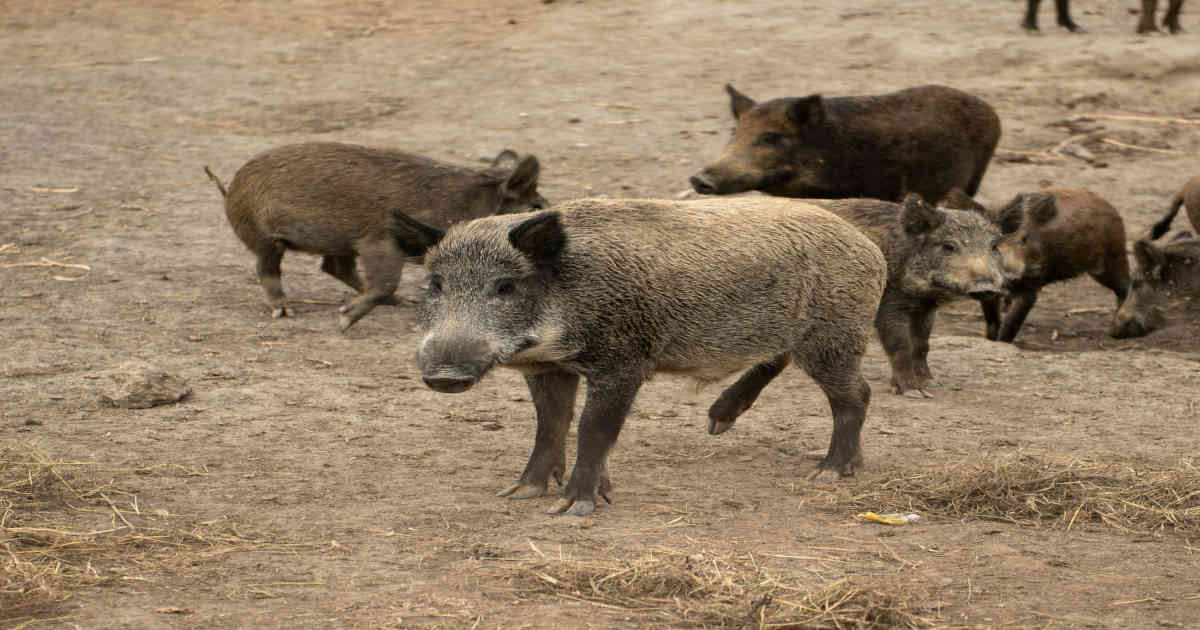
If you're an avid hunter, you probably enjoy pursuing familiar game like deer, elk, and turkeys. Looking for something different? You may be in luck. Several invasive species across the United States are damaging ecosystems on land and in the water. Depending on where you live, you can legally hunt and even eat some of these species. Here are five invasive animals you can hunt and enjoy at the table.
Feral Hogs (Wild Boar) (Sus scrofa)
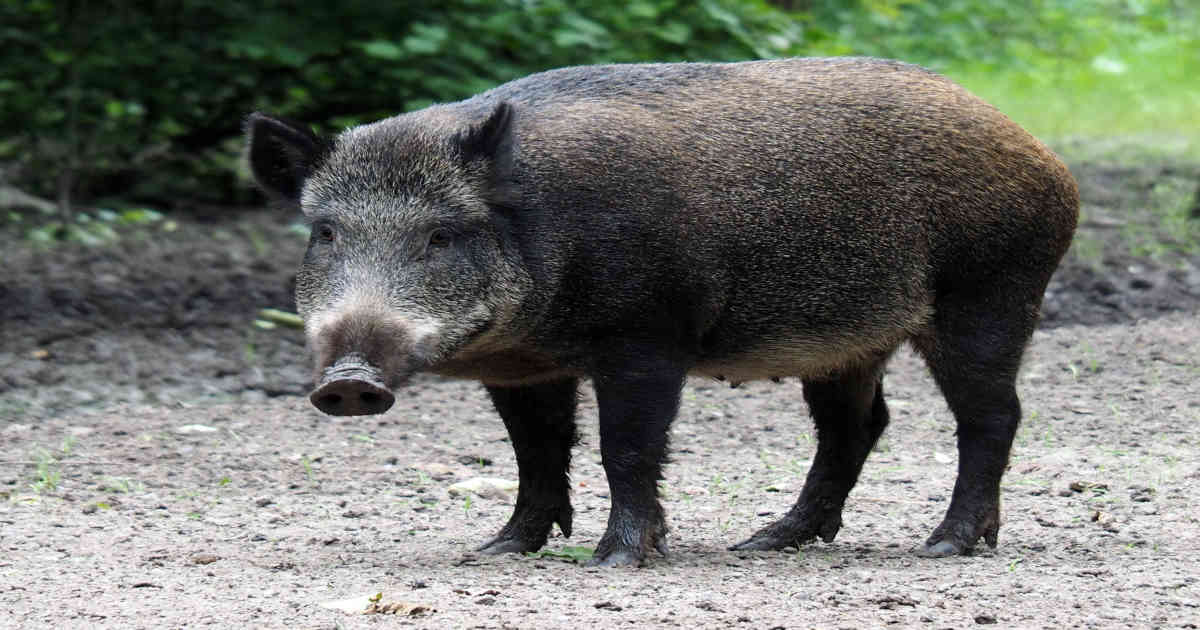
Feral hogs are native to Europe and Asia but have become invasive in 31 states, including Texas, California, and much of the southern United States. These destructive animals have caused billions of dollars in damage to food plots, crop fields, pastures, and even suburban lawns.
Feral swine were first brought to the United States in the 1500s by early explorers and settlers as a food source. According to the USDA, free-range livestock management practices and escaped domestic pigs led to the establishment of wild feral swine populations. The problem worsened in the early 1900s when Eurasian (or Russian) wild boars were introduced for sport hunting. Today's feral hog population consists of escaped domestic pigs, Eurasian wild boars, and hybrids of the two.
In states where feral hog populations are highest, hunting is not only legal but often encouraged to help reduce their numbers. If you harvest one, the meat can be used in a variety of dishes, including chili, burgers, tacos, sausage, and barbecue.
Nutria (Myocastor coypus)
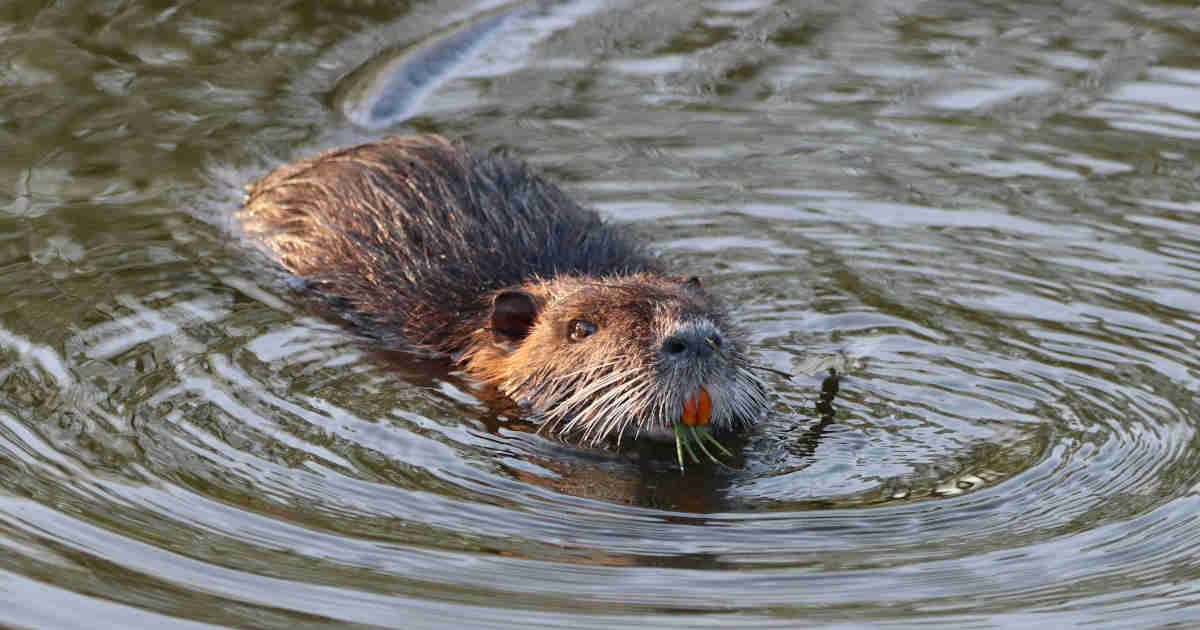
Native to South America, the nutria is a large, light- to dark-brown aquatic rodent. While they resemble beavers, they have arched backs and long, sparsely haired, round tails instead of the wide, flat tails that beavers have. Adults typically measure about 2 feet long, weigh between 15 and 20 pounds, and have tails that range from 12 to 18 inches.
Nutria were first introduced to the United States in 1889 for the fur trade. Thousands escaped or were intentionally released in the 1940s after the fur market collapsed. Today, they destroy native aquatic vegetation, damage crops, and erode valuable wetlands. Although they have been found in about 20 states, they are most abundant along the Gulf Coast, as well as in parts of the Pacific Northwest and the Atlantic Coast.
If you harvest a nutria, you'll find it provides firm, white, flaky meat that works well in slow-cooked dishes, stews, and tacos.
Green Iguana (Iguana iguana)
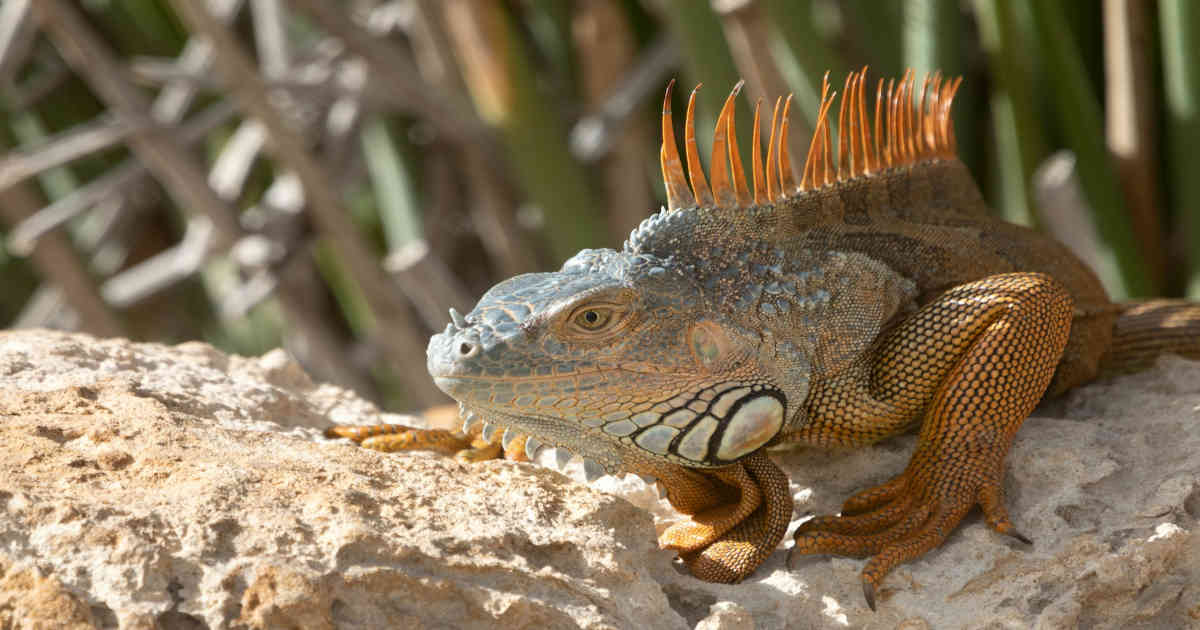
The green iguana is native to Central and South America. It first appeared in the United States during the 1960s, arriving through the pet trade and on cargo ships from Cuba. Many escaped captivity or were released by owners who could no longer care for them.
Green iguanas have few natural predators in Florida and can lay up to 65 eggs in multiple nests each breeding season. They feed on a wide variety of leaves, flowers, and fruit while digging burrows that can undermine sidewalks, seawalls, and other infrastructure. Adults can grow up to 5 feet long and weigh as much as 17 pounds.
In 2021, Florida added green iguanas to its Prohibited Nonnative Species List, allowing them to be humanely removed year-round on many public lands and private property where permitted.
Many people describe the meat as tasting similar to chicken, with a texture somewhat like crab. It's commonly used in stews, soups, and tacos.
Northern Snakehead (Channa argus)
Northern snakeheads are native to Asia and are now found primarily along the East Coast and throughout the Mississippi River Basin. Their largest populations occur in the Potomac River, which borders Virginia, Maryland, and Washington, D.C.
They were introduced to the United States primarily through aquarium releases, as well as accidental and intentional releases from live fish markets. Snakeheads are typically brown with large, dark blotches and can grow up to 3 feet long. They also have a long dorsal fin that extends nearly the entire length of their backs. One of their most remarkable traits is their ability to breathe air, allowing them to survive out of water for several days and wriggle across wet ground to reach nearby ponds or streams.
According to the New York State Department of Environmental Conservation, northern snakeheads feed primarily on other fish but also consume crustaceans, reptiles, mammals, and small birds. Left unchecked, they can significantly reduce native fish populations and disrupt aquatic ecosystems.
If you catch one, you'll find its meat is firm, white, and flaky. It is excellent grilled, fried, or prepared in fish tacos.
Silver Carp (Hypophthalmichthys molitrix)
Native to eastern Asia, silver carp were introduced to the United States during the 1970s and 1980s for use in private fish farms and wastewater treatment facilities. They were intended to control algae growth and improve water quality. However, flooding during the 1990s allowed them to escape into the Mississippi River, where they spread rapidly throughout the river system.
Silver carp consume enormous amounts of plankton, depriving native fish of an important food source and disrupting aquatic ecosystems. They are also well known for their tendency to leap several feet out of the water when startled, posing a hazard to boaters and anglers. While they average around 20 pounds, they can exceed 60 pounds.
Their plankton-based diet produces mild, firm, white flesh that is excellent grilled, blackened, or fried.
Conclusion
These are just five invasive species that hunters can help control while also bringing home excellent table fare. Left unchecked, invasive species can damage crops, displace native wildlife, disrupt ecosystems, and even threaten infrastructure. Fortunately, many of them are not only legal to harvest in certain areas but also surprisingly delicious when prepared properly.
Warning: Always check your state's hunting and fishing regulations before pursuing any invasive species, as laws vary by location. Harvest animals legally, follow all applicable regulations, and always dispatch them as humanely as possible.