How to Conceal a Hunting Blind: Proven Tips to Stay Hidden from Deer and Game
Posted by Steven Bieber on August 10, 2026
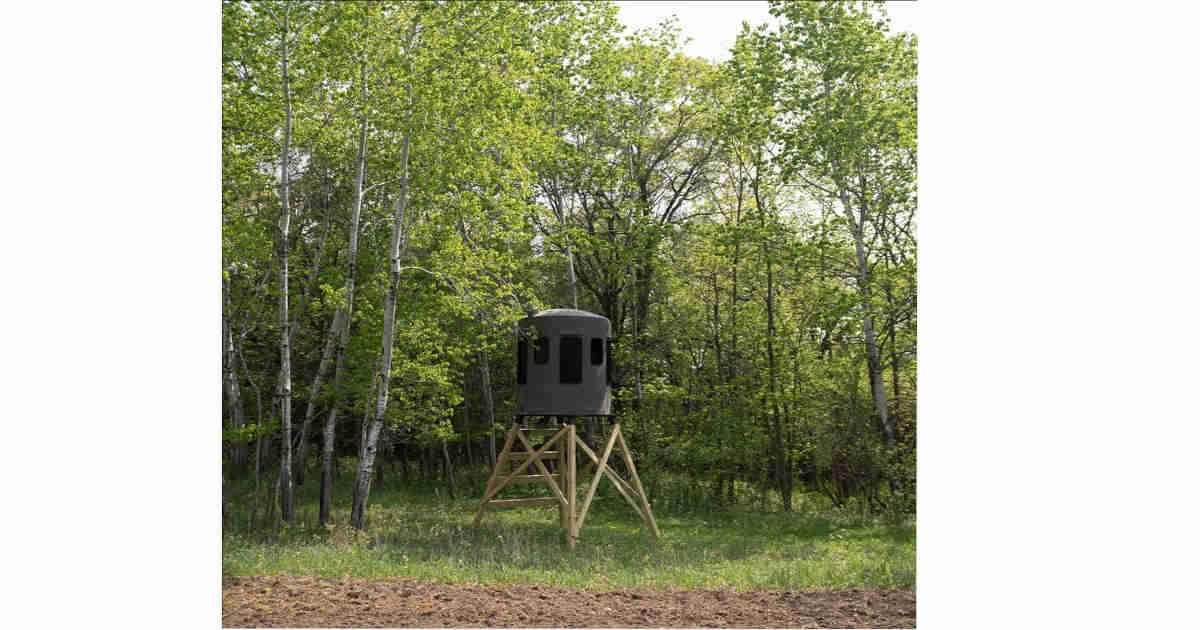
Hunting blinds are a great way to hunt comfortably. They help protect you from the elements, provide comfort during long sits, and offer a sense of security that you may not get from a treestand. However, even the best hunting blind can be ineffective if it is not properly concealed. To remain undetected by deer and other game animals, you need to blend your blind into the surrounding environment. Here are some effective ways to conceal your hunting blind.
Blend Your Blind with Natural Vegetation
Whenever possible, blend your blind into the surrounding environment. Use branches, grasses, reeds, or brush that naturally occur in the area to help break up the blind's outline. Avoid using vegetation that looks out of place or has noticeably different colors from the local habitat. Choosing a hunting blind with camouflage patterns that match the terrain can also improve concealment.
Choose the Right Hunting Blind Location
Proper placement is critical when setting up a hunting blind. Avoid placing it in the middle of an open field, where its straight lines and sharp corners can easily catch the attention of wildlife. Instead, position the blind at least 15 to 20 yards inside a tree line or brushy area. Natural shade and surrounding cover will help break up the blind's outline, making it less noticeable.
Eliminate Shine, Glare, and Movement
Fabric pop-up blinds can create glare when exposed to direct sunlight. Using a ghillie blind or a non-reflective camouflage pattern can help reduce visibility. Keep windows covered when possible and minimize movement inside the blind. In many cases, movement within the blind is more noticeable to game animals than the blind itself.
Use Existing Cover to Your Advantage
Always position your hunting blind with a large tree, dense brush, or heavy thicket directly behind it. This prevents deer and other game from seeing through the blind and helps it blend into the background. While selecting a location, be careful not to block established animal travel routes.
Set Up Your Blind Before Hunting Season
If possible, set up your hunting blind well before the season begins. In some locations, it may be difficult to place a blind without deer noticing it initially. Installing the blind several weeks or even months in advance allows deer to become accustomed to its appearance and scent. A newly placed blind is more likely to attract attention from wary animals.
Control Scent, Noise, and Visibility
Concealing the blind itself is only part of the process; you also need to conceal your presence. Minimize unnecessary noise when entering or leaving the blind, and practice proper scent-control measures if the species you are hunting relies heavily on its sense of smell. When hunting from a ground blind, wearing black clothing, a black hat, and black gloves can help you blend into the dark interior. This reduces the visibility of movement and makes it more difficult for animals to detect you from outside.
Create a Concealed Route to Your Hunting Blind
Camouflaging your blind will do little good if deer spot you while you are walking to it. For a stealthy approach, use natural terrain features such as low spots, drainage ditches, or standing crop edges to remain hidden. Another effective option is creating concealed access routes by cutting paths through tall vegetation, such as switchgrass, or hinge-cutting small trees. This allows you to approach the blind from behind without being seen by game animals in front of it.
Conclusion
Proper hunting blind concealment involves more than simply placing a blind in the woods. By blending it with natural vegetation, selecting the right location, minimizing glare and movement, controlling scent and noise, and creating concealed access routes, you can significantly reduce the chances of being detected. Taking the time to properly hide your blind can lead to more successful hunts and better opportunities in the field.