Mastering Hinge Cutting: How to Create Ideal Deer Bedding Areas and Enhance Wildlife Habitat
Posted by Steven Bieber on November 14, 2025
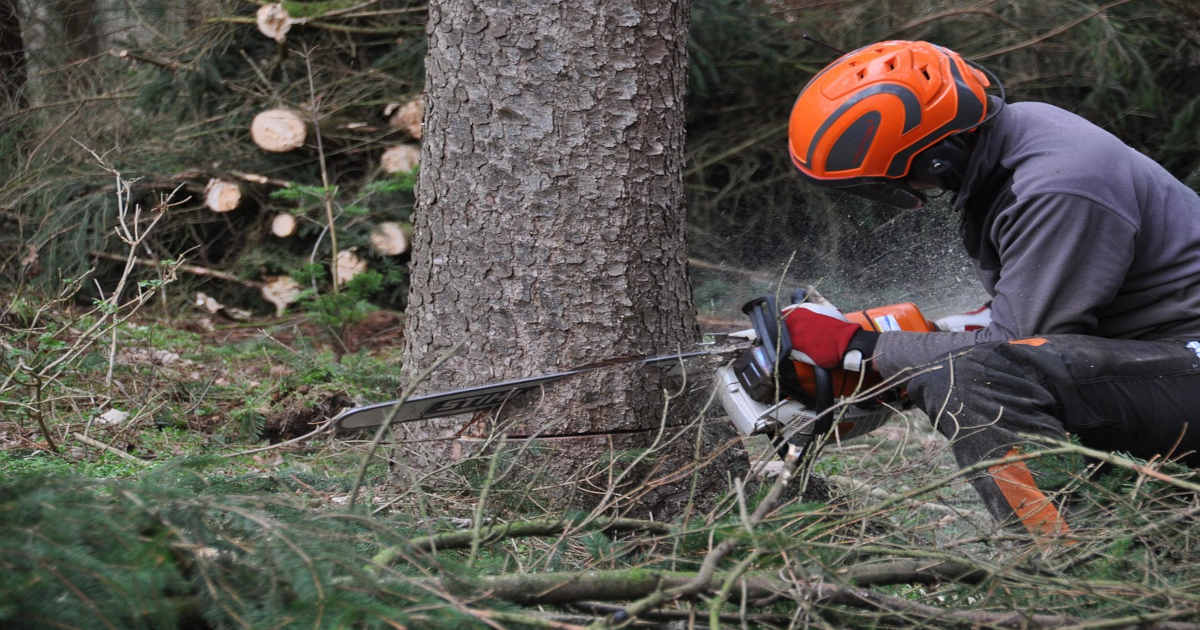
Any great hunter is always reviewing their techniques and strategy and looking for ways to improve. One thing hunters do is try to make it easier to predict where the deer will be, using products like scents or deer feeders. If you have a large area of land with forests or many trees, one technique you can consider is hinge cutting.
What Is Hinge Cutting and How Does It Work?
Hinge cutting is a technique where a partial cut is made through a young tree trunk, leaving a strip of wood that acts as a hinge. The tree is then pushed over so it can lie horizontally. Because the hinge or the cambium layer is left unbroken, the tree will remain alive. This can offer benefits such as providing deer food and nutrients, as well as bedding cover. If not done correctly, there can be downsides to hinge cutting.
Top Benefits of Hinge Cutting for Deer Habitat
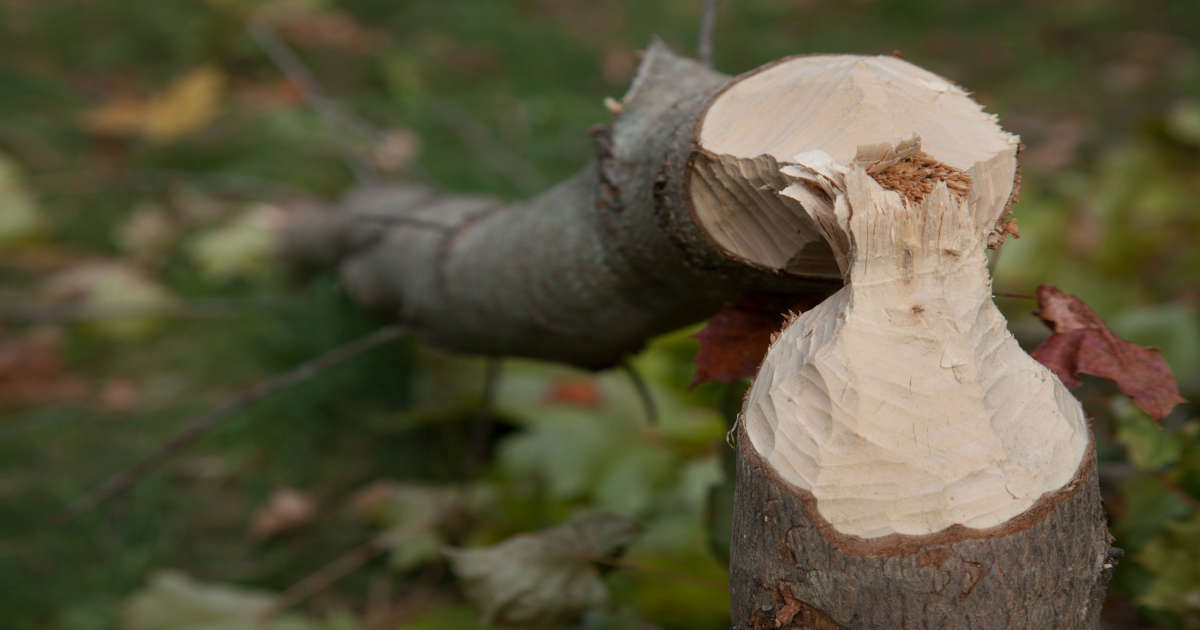
Hinge cutting can allow you to attract deer. Here are its key benefits.
Offers Instant Cover and Bedding
Hinge cutting creates a thick, living screen and canopy for deer. The barrier of branches and foliage at a deer's eye level hides them from predators, creating a sense of security. The deer will rest and sleep here. It provides cover from the top and from the side.
Food (Browse) On Demand
When the trees are cut down, it makes it easier for deer to reach the branches. This provides a readily available food source for the deer. The stump sprouts also offer food.
Long-Term Habitat
When the tree is not cut completely, the root system remains alive. This allows the tree to continue sprouting and act as a source of food for years. Because it stays alive for so long, you do not have to cut trees often.
Funnels
Hinge cutting can be used to manipulate the movement of deer. Creating travel funnels will direct them to specific areas. This makes it easier to know where to set up your blind or treestand.
Common Risks and Drawbacks of Hinge Cutting
If not done carefully, hinge cutting can do more harm than good. Here are some potential drawbacks.
Potential for Injury
You need to be careful when you're hinge cutting. It requires proper tools and techniques. Failing to take the necessary precautions can result in injury or death. You could also kill the tree if you cut too far.
Maintenance / Risk of Harming Deer
Stay on top of maintenance to keep the area clear of invasive species and remove trees that are too dense or shaded. It will be difficult for deer to escape if too many trees are hinged. Deer, particularly fawns, can become trapped in the tangled branches. This will make them vulnerable to predators.
Potential Harm to the Environment
By cutting too many trees, you can create an excessive amount of density. This can block sunlight, create a maze, or block access to a bedding area. When the tree is cut correctly, it will continue to take up water and nutrients. This could prevent the growth of grasses and forbs that grow in open areas.
Not for All Tree Species
Some types of trees, like conifers and aspen, are not good choices for hinge cutting. If you cut the wrong tree, it may shatter or fail to root properly. Make sure you know what trees are on your property.
Important Considerations Before You Hinge Cut Trees
Before making cuts to trees, here are the key conditions you should be aware of.
- Proper Timing: Hinge cuts should only be done in late summer, late winter, or early spring. Focus on when sap is moving.
- Sunlight: Your hinge cuts must receive adequate sunlight to keep growing and producing browse for years.
- Safety: When using a chainsaw to cut the tree, wear safety glasses and cut at waist height.
- Not Recommended for Every Property: According to some sources, hinge cutting does not work for all landscapes; it is best suited for a fraction of a property (15–30%).
- Maintain Bedding Area: You may need to recut every few years to maintain the density and growth of the shoots.
Step-by-Step: How to Create a Deer Bedding Area with Hinge Cuts
- Choose the Correct Trees: Hardwood trees, such as oak, maple, and hickory, are generally best for hinge cutting and provide good browse.
- Cut at Waist Level: As mentioned, cut at waist or hip level.
- Don’t Cut it Completely: Only cut through about 50% of the tree’s diameter to leave a strip of uncut cambium and bark to allow the tree to remain alive and provide continuous browse.
- Create a Fall Direction: Cut the tree so that it leans over to create horizontal cover at deer level, landing on a slope or on another fallen tree to avoid damaging the hinge.
- Clear the Area: After cutting, remove dead ends and create open pathways to allow the deer to move in and out freely.
Final Thoughts: Is Hinge Cutting Right for Your Land?
Using hinge cuts to create bedding for deer can serve as a great way to predict where they are going to be. It shelters them and gives them easy-to-reach food. If not done correctly, you can harm yourself, the deer, or the environment. Follow the steps to properly make hinge cuts to a tree.