Turkey Hunting for Beginners: Essential Tips, Gear, and Best Times to Hunt
Posted by Steven on January 01, 2026
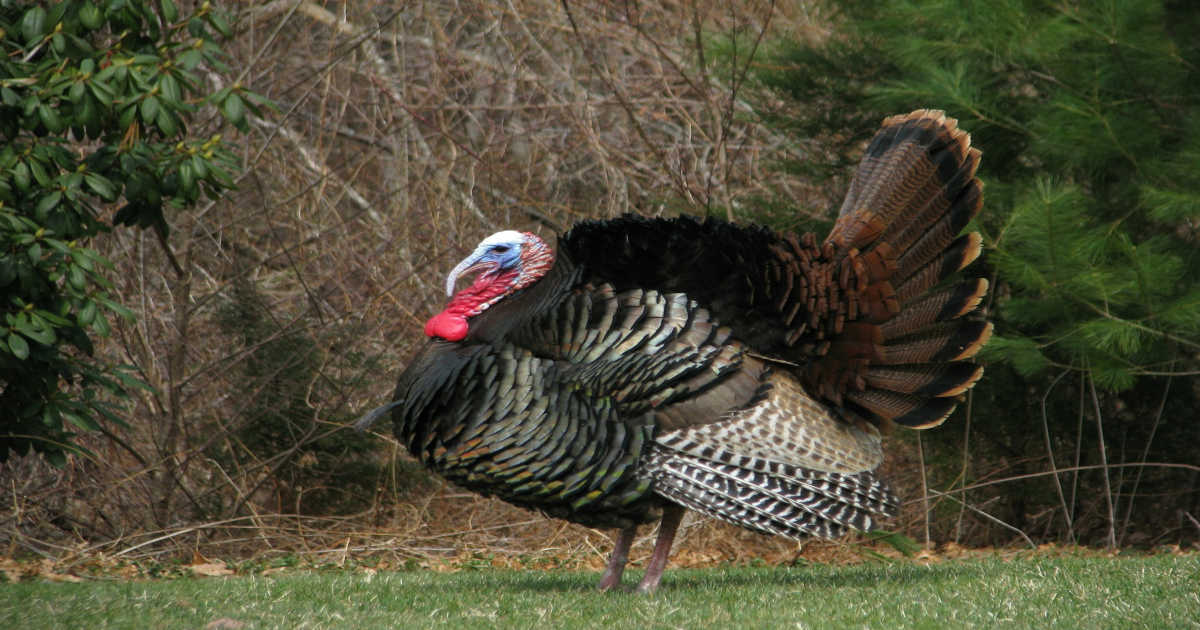
You may think turkey hunting is easy, but you'd be mistaken. Hunting turkeys requires patience, stealth, and the ability to stay still for long periods. Without proper knowledge or preparation, your big score could easily slip away.
If you're a beginner, turkey hunting for the first time can feel overwhelming. To hunt successfully, you need to understand turkey behavior, know the best time to hunt, and bring the right gear with you.
When Is the Best Time to Hunt Turkeys?
Best Season for Turkey Hunting
Most hunters agree that spring is the best season for turkey hunting. From early to mid-spring, turkeys are active due to mating season. Later in spring, as breeding winds down, gobblers become lonely and more responsive to calls. During this time, males gobble frequently to attract hens, making them easier to locate.
You can also hunt in the fall, but it may be more challenging. In the fall, flocks gather for the winter rather than for mating. Turkeys are quieter and move around more, making them harder to find. Hunting in the fall is fine for experienced hunters, but it's not generally recommended for beginners.
Best Time of Day to Hunt Turkeys
One of the best times to hunt turkeys is early in the morning. Just after sunrise, turkeys are most active and vocal, making them easier to locate and call in. At night, they usually roost in trees and descend in the morning to forage for food.
Late afternoon, just before sunset, is another productive time, as turkeys are actively preparing to roost for the night.
Essential Turkey Hunting Gear and Supplies
Licenses and Permits
Before you even think about hunting, the most important thing to do is acquire the proper turkey hunting license and permits. State and local regulations vary, so check with your local wildlife agency for details.
Best Clothing and Camouflage for Turkey Hunting
To carry all your supplies, invest in a turkey hunting vest. A quality vest has pockets for shells, water, and other essentials.
Camouflage is crucial; turkeys have excellent eyesight. Wear camo from head to toe: hat, face mask, gloves, shirt, pants, and jacket.
For long sits, consider bringing a seat cushion for comfort. Don’t forget binoculars for spotting turkeys and a hunting knife for field dressing. Other useful items include snacks, a first aid kit, and bug repellent.
Best Guns, Ammo, and Turkey Calls
If you're using a shotgun, a 12- or 20-gauge offers a good balance of power and manageability. Choose a tight choke barrel to maintain a dense shot pattern up to 40 yards. A camouflaged finish helps you stay concealed.
Shot sizes #4, #5, or #6 are most common for turkey hunting. To maximize pellet density and range, use a turkey choke for tight patterns at longer distances. Full or extra-full chokes are popular choices.
Another key tool is the turkey call. Different calls can imitate various sounds, from clucks to gobbles. Practice before your hunt so you can effectively combine calls to attract birds.
Turkey Hunting Tips and Skills for Beginners
To successfully hunt turkeys, you must understand their behavior. Learn their routines where they roost, feed, and dust. Every turkey population has patterns, and recognizing them improves your chances.
Practice makes perfect: hone your shooting and calling skills ahead of time. Scout the area to find signs of turkeys such as droppings, feathers, and scratch marks. And always review local hunting regulations to stay compliant with the law.
Turkey Hunting Strategies and Planning Guide
When planning your hunt, keep these key factors in mind:
- Field Dressing Tips: Learn to properly field dress a turkey to keep the meat clean and edible.
- Stealth and Movement: Move carefully and minimize noise. Choose a spot with good visibility, stay still, and remain alert.
- Best Hunting Locations: Focus on areas with food or water sources, or near known roosting spots. Setting up along travel routes can also improve success.
- Patience and Timing: Turkeys can take their time. Be prepared to wait quietly for the right moment.
- Weather and Conditions: Turkeys behave differently depending on weather conditions. On windy or rainy days, they tend to be quieter, so adjust your approach accordingly.
Conclusion: How to Prepare for a Successful Turkey Hunt
When it comes to turkey hunting, preparation is everything. Know the best seasons and times to hunt, gather the right supplies, and learn the habits of your prey. With patience, strategy, and the proper gear, you'll greatly increase your chances of a successful hunt.