Smart Camping Packing: Essential Gear and How to Avoid Overpacking
Posted by Steven Bieber on July 20, 2026
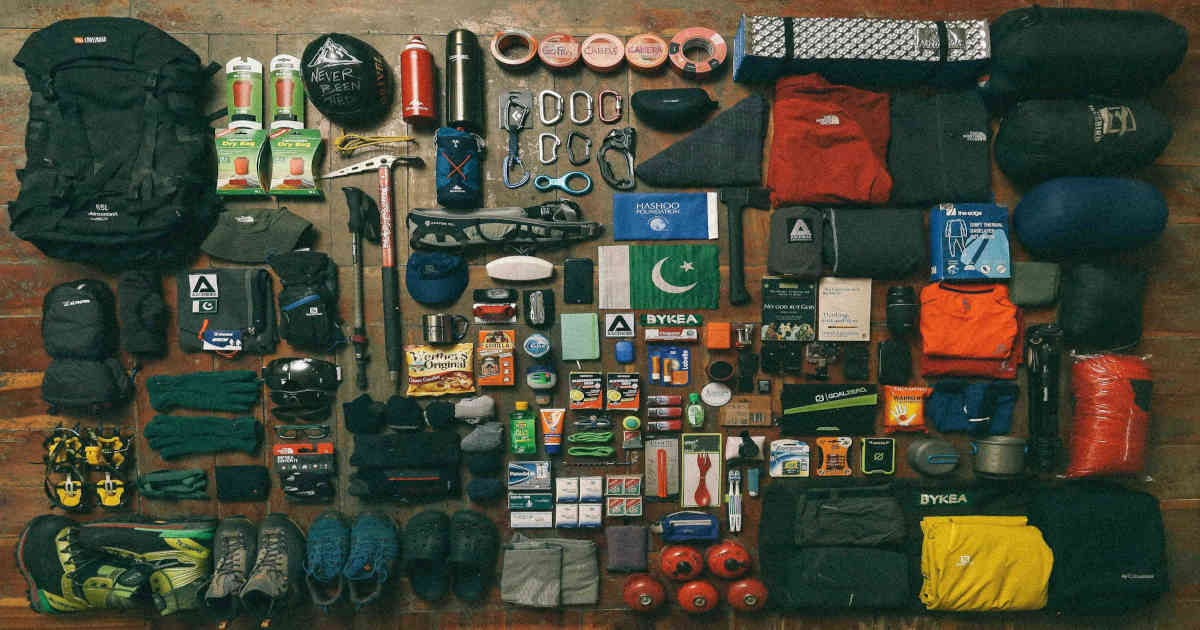
When packing for a summer camping trip, it can be difficult to know what to bring. On one hand, you want to be well-stocked and prepared for a variety of situations. On the other hand, you don't want to overpack and end up hauling around unnecessary gear and supplies. The key is finding the right balance. Here is a list of camping essentials, along with practical tips to help you avoid overpacking.
Essential Camping Gear Checklist
Here are the most common items campers bring along.
Sleeping Gear and Shelter
- Tent (with stakes and rainfly)
- Sleeping bag appropriate for expected temperatures
- Sleeping pad or air mattress
- Ground tarp (if needed)
Camping Clothing Essentials
- Weather-appropriate layers
- Rain jacket or waterproof shell
- Extra socks and underwear
- Hat and sun protection
Food, Water, and Cooking Supplies
- Water bottles or hydration system
- Water filter or purification method (if needed)
- Meals and snacks
- Stove, fuel, and basic cookware (unless cooking over a fire)
- Cooler
Safety and Navigation Equipment
- First-aid kit
- Flashlight or headlamp with extra batteries
- Map and compass or GPS
- Multi-tool or knife
- Emergency shelter or blanket for remote trips
Personal Care Items
- Toiletries
- Prescription medications
- Sunscreen
- Insect repellent
Common Overpacking Mistakes Campers Make
Here are some ways to avoid overpacking on your next camping trip.
Packing Too Many Clothes
While it may be tempting to bring extra clothing, doing so can quickly add unnecessary bulk. Instead of packing a different outfit for every day, consider using the 3-3-3 rule: three tops, three bottoms, and three pairs of shoes. This approach allows you to mix and match outfits while minimizing the amount you pack. Wearing items multiple times and choosing quick-dry performance fabrics can help reduce the need for additional clothing.
Bringing Excessive or Heavy Cookware
For a camping trip, it's usually best to leave heavy cookware, such as cast-iron skillets, at home. You also don't need to bring large quantities of bulky groceries. To simplify meal preparation, create a basic menu before your trip, freeze meals ahead of time when possible, and use a single-burner camp stove to keep your cooking setup lightweight and efficient.
Creating a Large "Just in Case" Pile
While it's smart to prepare for unexpected situations, bringing too many backup items can quickly lead to overpacking. Large tools such as axes, hatchets, and shovels are often unnecessary for a standard campground trip. In most cases, a small hand trowel and a sturdy multi-tool will handle your needs.
The biggest problem with a "just in case" pile is that extra items tend to multiply. A few additional snacks, spare shoes, and extra bandages can quickly turn into an overloaded vehicle or backpack. Focus on the situations you're most likely to encounter and bring a reasonable backup supply without going overboard.
Packing Full-Size Toiletries
Travel-sized bottles of soap, shampoo, and other personal care products are ideal for camping trips. Large bottles and tubes are generally unnecessary for a two- or three-day outing. For towels, choose a quick-drying microfiber towel instead of a bulky bath towel to save both space and weight.
Bringing Too Many Electronics and Gadgets
One of the best parts of camping is the opportunity to disconnect and enjoy the outdoors. Consider leaving gaming consoles, tablets, and other nonessential electronics at home. If you're looking for entertainment during downtime, a good book can be a simple and lightweight alternative.
Smart Packing Strategies for Campers
Separate Needs from Wants
Lay out all of your gear before packing and separate essential items from nonessential ones. Pack necessities first, then add optional items only if you have extra room available.
Maximize Space Efficiently
Roll your clothes instead of folding them. This simple technique saves space, reduces wrinkles, and helps keep your gear organized.
Organize Gear by Category
Sort items into categories to make them easier to find. For example, use color-coded packing cubes or compression bags for first-aid supplies, sleepwear, cooking equipment, and other camping essentials.
Choose Multi-Purpose Gear
Whenever possible, bring items that serve more than one function. A bandana can be used as a pot holder, cleaning cloth, or bandage, while a trekking pole may also function as a tent support.
Simple Packing Test Before You Leave
Before you leave for your trip, ask yourself the following questions:
- Will I definitely use this?
- Does something else already serve the same purpose?
- Would I be safe without it?
- Is the weight or bulk worth the benefit?
If an item seems unnecessary after answering these questions, leave it behind.
Conclusion
A successful camping trip starts with smart packing. Create an organized packing list before your trip and focus on bringing only what you truly need. Avoid filling your bags with oversized gear, excessive clothing, or supplies that are unlikely to be used. By packing strategically and maximizing available space, you'll enjoy a lighter load, easier travel, and a more relaxing, stress-free summer camping experience.