How to Keep Game Meat Cold on Long Trips
Posted by Steven Bieber on November 16, 2026
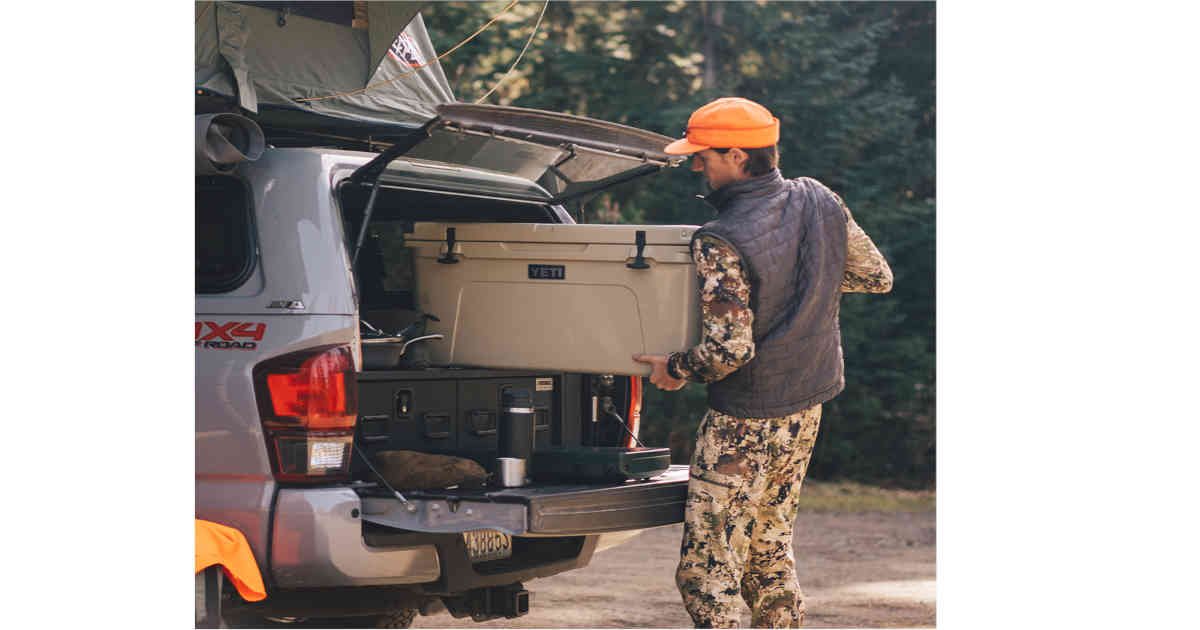
Quick Summary
Transporting wild game meat safely on long trips requires proper preparation, quick field handling, and effective temperature control. This comprehensive guide covers pre-trip prep, field dressing best practices, cooler packing tips, temperature monitoring, and airline travel rules to ensure your harvested meat stays clean, cold, and fresh all the way home.
Protecting Your Harvest: The Importance of Safe Game Transport
Congratulations, you successfully hunted your game. While the hunt may be over, the work isn’t finished. Transporting wild game meat home safely requires a plan to keep it properly cooled and protected.
There’s nothing worse than putting in all the work to harvest an animal only to have the meat go to waste because of improper cleaning, handling, or storage. With the right preparation, you can help keep your game meat cold, clean, and ready for processing or cooking.
This guide covers what to do before the hunt, how to handle the meat after the harvest, and how to keep wild game cold during a long trip home.
Before the Hunt: Prepare for Transport
A little preparation before you leave can make transporting your game meat much easier. Here are some important items and steps to consider:
- Choose a reliable cooler: Bring a high-quality cooler with a tight seal and enough capacity for the amount of meat you expect to transport. For larger game, multiple coolers may be necessary.
- Pre-freeze ice blocks: Large homemade ice blocks or frozen gallon jugs generally last longer than bags of small ice cubes.
- Pre-chill your cooler: The day before your trip, place ice blocks inside the cooler overnight. Replace them with fresh frozen blocks or ice before you leave.
- Clean your meat-processing equipment: Make sure knives, cutting boards, game bags, and containers are clean and ready to use.
- Pack breathable game bags: Game bags help protect meat from dirt and insects while allowing heat to escape during the initial cooling process.
- Bring disposable gloves: Pack several clean pairs so you can change gloves as needed.
Pack paper towels or clean cloths: These are useful for cleaning your hands, equipment, and work surfaces.
- Bring a thermometer: A food thermometer or cooler thermometer can help you monitor temperatures instead of relying on how cold the meat feels.
- Plan your route: Know where you can access refrigeration, ice, or a processing facility along the way if necessary.
- Bring a way to suspend the carcass: If regulations and circumstances permit, having a way to safely suspend the carcass can make field dressing and handling cleaner and easier.
Bring extra cooling capacity: It’s better to have more ice and cooler space than you think you’ll need.
- Check local hunting regulations: Before your trip, review the applicable regulations, including requirements for field dressing, tagging, transporting harvested game, and leaving evidence of sex attached when required.
Field Dress and Cool the Meat
Field dress the animal promptly and begin cooling the meat. Placing the meat in breathable game bags and hanging it in a shaded, well-ventilated area can help it cool.
Avoid sealing warm meat in airtight plastic bags. Trapping heat and moisture can interfere with the cooling process.
The exact handling process will depend on the species, weather conditions, and whether you are transporting quarters, boned-out meat, or packaged cuts.
Pack the Meat Properly
Once the meat has been sufficiently cooled, place it in clean, leakproof bags or sealed containers. When loading the cooler, surround the packaged meat with ice or frozen gel packs.
Whenever practical, drain excess meltwater to help keep the cooler and packaging clean and dry. Leave enough room for the cold air to circulate, and keep the cooler out of direct sunlight.
If you have the opportunity to freeze some of the meat before a long trip, frozen packages can provide additional cold capacity while helping keep refrigerated portions cold.
Keep Raw Game Meat Separate
If you are traveling with other food, keep raw game meat separate from ready-to-eat foods and drinks.
Keeping the meat sealed and separated helps reduce the risk of cross-contamination and prevents leaks from contaminating other items in your cooler. A separate cooler for beverages and frequently accessed food can be especially useful on long trips.
How to Keep Game Meat Cold During Travel
For longer trips, monitor the temperature of your cooler and meat rather than relying on how cold they feel.
A refrigerator/freezer thermometer placed inside the cooler provides an inexpensive way to monitor conditions. Avoid opening the cooler more often than necessary, since each opening allows cold air to escape.
Consider keeping drinks and other frequently accessed items in a separate cooler so your meat cooler can remain closed.
On an especially long trip, you may need to replenish the ice or replace melting ice with fresh ice. Plan so you know where you can get additional cooling supplies along your route.
When you reach your destination, transfer the meat to a refrigerator or freezer as soon as possible.
Tips for Transporting Game Meat by Air
Transporting wild game meat by air can be more complicated than driving, but it is possible with careful planning.
Before your trip, check the airline’s current baggage requirements and any applicable transportation rules. Frozen meat may be permitted as checked baggage when properly packaged, but requirements vary by airline.
A leakproof, well-insulated cooler can help protect the meat during transit. If you plan to use dry ice, check the airline’s current rules first. Airlines may limit the amount permitted and require the package to be properly marked or the dry ice to be declared.
Because airline policies can change, confirm the requirements directly with your airline before traveling.
Conclusion: Keep Your Game Meat Cold and Protected
Whether you are driving home from a nearby hunting trip or traveling a long distance, keeping game meat properly cooled starts with preparation.
Use a reliable cooler, bring plenty of ice or frozen packs, keep the meat clean and protected, and monitor temperatures during the trip. Avoid unnecessary cooler openings and transfer the meat to a refrigerator or freezer as soon as you arrive.
With the right preparation and careful handling, you can help make sure all the work that went into your hunt results in high-quality wild game meat instead of wasted food.
Frequently Asked Questions About Keeping Game Meat Cold
How cold should game meat be kept?
Keep game meat properly chilled during transport and avoid allowing it to remain warm for extended periods. Use a thermometer to monitor the temperature rather than relying on how cold the meat feels.
How much ice do I need to transport game meat?
Bring enough ice or frozen packs to keep the meat thoroughly chilled for the entire trip, plus some extra in case of delays. The amount you need will depend on the amount of meat, cooler size, outside temperature, and length of the trip.
Can I put warm game meat directly into a cooler?
A cooler can be used to help cool game meat, but warm meat should not be tightly sealed in airtight plastic while it is still hot. Allow proper cooling and ventilation during the initial cooling process, then package the meat for transport.
Can I transport frozen game meat in a cooler?
Yes. Frozen game meat can be transported in a well-insulated cooler with additional ice or frozen packs to help maintain low temperatures during the trip.
How do I keep game meat cold on a long road trip?
Use a well-insulated cooler, pack plenty of ice or frozen packs around the meat, limit how often you open the cooler, and monitor the temperature with a thermometer. For especially long trips, plan for where you can replenish your ice.
Can I fly with wild game meat?
Airline policies vary, so check with your airline before traveling. Frozen meat may be permitted in checked baggage when properly packaged, but requirements for coolers, dry ice, labeling, and baggage weight can differ.