How to Choose the Best Wading Boots for Streams, Ice, and Winter Conditions
Posted by Steven Bieber on November 09, 2026
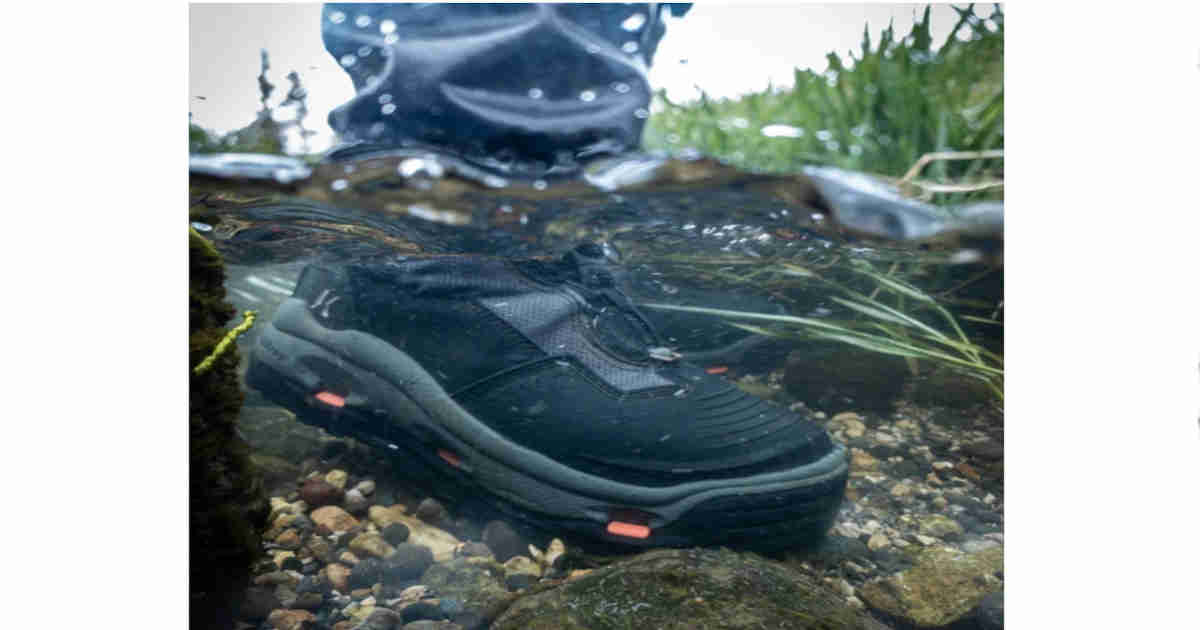
Quick Summary
Finding the right wading boots is essential for safety, comfort, and performance when navigating cold streams, slippery rocks, and icy winter conditions. This guide covers how to choose between felt and rubber soles, when to add studs or cleats for extra traction, and what key features like ankle support, proper sizing over waders, and drainage to look for before buying.
Why You Need the Right Wading Boots for Ice, Streams, and Snow
For hunters, anglers, and other outdoor enthusiasts, having the right gear for the conditions is essential. One important piece of equipment that is often overlooked is footwear. If you spend time walking through cold streams, wet terrain, snow, or icy conditions, you need wading boots that can provide reliable traction, support, and protection.
The right boots can make it easier and safer to navigate slippery rocks, uneven terrain, strong currents, and freezing conditions. Here is what to consider when choosing the best wading boots for your needs.
Choose the Right Wading Boot Sole
One of the most important parts of a wading boot is the sole. Different sole materials and traction systems perform differently on wet rocks, mud, snow, and ice. Consider where you will be using your boots most often before making your choice.
Felt Soles for Slick, Wet River Rocks
Wading boots with felt soles are well suited for slick, wet streams and river rocks. Felt can provide excellent grip on smooth, algae-covered rocks because the material conforms to the rock surface and creates a high-friction contact area.
Felt soles are particularly effective on smooth riverbeds and can also provide a quieter option when walking in streams. Some compatible felt soles can be fitted with felt-specific studs for additional traction.
Disadvantages of Felt Soles:
Felt soles are not ideal for freezing conditions because they absorb water and can freeze, allowing ice and snow to accumulate. They are also less effective when hiking on trails, gravel, and steep banks.
You should also be aware that felt soles are restricted or prohibited in some locations because they can transport invasive organisms between waterways. Always check local regulations before purchasing felt-soled wading boots.
Rubber Soles for Versatile Traction
Modern rubber-soled wading boots use aggressive tread patterns to provide traction both in and out of the water. They are a good choice if you need to hike to and from a stream because they perform well across a variety of terrain.
Unlike felt, rubber does not absorb water, making it better suited to freezing temperatures. Rubber soles are also easier to clean and disinfect between waterways, which can help reduce the risk of transporting invasive organisms.
Some rubber-soled boots, including compatible Vibram®-style soles, can accept metal studs or cleats for additional traction.
Disadvantages of Rubber Soles:
Plain rubber generally does not grip extremely slick rocks as well as felt. Traction can also vary considerably depending on the tread pattern and rubber compound, so look for a sole designed for wet and slippery conditions.
Cleats and Studs for Ice and Slick Surfaces
Ice cleats and traction studs are not technically a separate sole material. Instead, they are accessories that can be added to compatible wading boots to improve traction.
Cleats and studs are typically installed on compatible rubber-soled boots. Felt soles require studs specifically designed for felt.
Studs can be particularly useful on slippery surfaces covered with moss, algae, or slime because they penetrate the slippery surface and reach the material underneath. They can also provide additional traction when navigating strong currents or icy terrain.
Adding compatible cleats or studs can substantially improve the traction of rubber-soled wading boots. Some cleats use carbide or other durable materials to withstand repeated use.
Disadvantages of Cleats and Studs:
Metal cleats can be slippery on hard surfaces. They can also add weight and noise, which may be a concern if you are trying to move quietly.
Use caution when wearing cleated boots on floors, boats, decking, or other delicate surfaces. Most importantly, cleats and studs are not compatible with every boot sole, so always check the manufacturer's recommendations before purchasing.
Look for Strong Foot and Ankle Support
For long hikes through difficult terrain, choose wading boots that provide adequate support for your feet and ankles. A secure fit is especially important when crossing uneven terrain or navigating strong currents.
Pay attention to heel movement when trying on your boots. Your heel should not lift excessively inside the boot as you walk, since a poor fit can make it harder to maintain your balance and may increase the risk of injury.
Choose the Right Wading Boot Size
Wading boot sizing does not always work the same way as regular footwear. Because wading boots are designed to accommodate neoprene wading socks or stockingfoot waders, you may need a larger size than you normally wear in hiking boots.
Sizing recommendations vary by manufacturer and boot design, so always check the manufacturer's size guide before making your purchase. If possible, try the boots on with the same wading socks or waders you plan to wear.
Consider These Wading Boot Features
Sole material and fit are important, but several other features can make a difference when choosing wading boots.
- Protective toe and heel: Reinforced toe and heel areas help protect your feet when moving across rocks, ice, and other rough terrain.
- Drainage: Drainage features allow water to escape so your boots do not remain unnecessarily heavy after getting wet.
- Durable upper: Materials such as synthetic leather, TPU, and reinforced textiles can withstand repeated contact with rocks and other abrasive surfaces.
- Replaceable or resoleable construction: This can extend the life of your boots and may be especially valuable if you fish or wade frequently.
- Secure lacing and fit: A reliable lacing system helps keep your foot secure and reduces unnecessary movement inside the boot.
Choose Wading Boots Based on Your Conditions
an excellent choice for slick, wet river rocks where they are legal, while rubber soles offer greater versatility across streams, trails, and freezing conditions. Adding compatible studs or cleats can provide additional traction when conditions are especially slippery.
Before buying, consider the terrain, water conditions, temperature, regulations in your area, and the type of waders or socks you will be wearing. Choosing boots with the right combination of traction, support, fit, drainage, and durability will help you stay more comfortable and confident in challenging stream and winter conditions.
Frequently Asked Questions
1. Are felt or rubber soles better for winter wading and icy conditions?
Rubber soles are generally better for winter and freezing conditions because they do not absorb water, freeze, or hold snow build-up as felt soles do. Rubber is also safer for hiking on snowy trails and can easily be fitted with carbide studs for extra grip on ice.
2. Can I use felt-soled wading boots everywhere?
No. Felt soles are banned or restricted in several states and waterways because the absorbent material can trap and transport invasive species (like Didymo/rock snot) between river systems. Always check local fishing and boating regulations before using felt soles.
3. How should I size wading boots compared to my normal shoes?
Wading boots are designed to fit over the thick neoprene booties of stockingfoot waders or heavy winter socks. Many manufacturers account for this in their sizing, but depending on the brand, you may need to order one size larger than your standard street shoe. Always consult the manufacturer's size chart and try them on with your waders.
4. Should I add metal studs or cleats to my wading boots?
Adding metal studs or cleats provides critical extra bite on slime-covered rocks, moss, and river ice. However, metal studs can be slick on dry, smooth surfaces (like boat decks or footbridges) and will scuff hardwood or sensitive flooring, so consider where you walk most before installing them.
5. Why is proper drainage important in a wading boot?
Integrated drainage holes or mesh ports allow water to flush out quickly when you step out of the river. This keeps the boots from feeling excessively heavy, reduces fatigue during long hikes, and helps them dry faster after your trip.