How to Start a Fire Without a Fire Starter: Complete Survival Guide
Posted by Steven on June 23, 2026
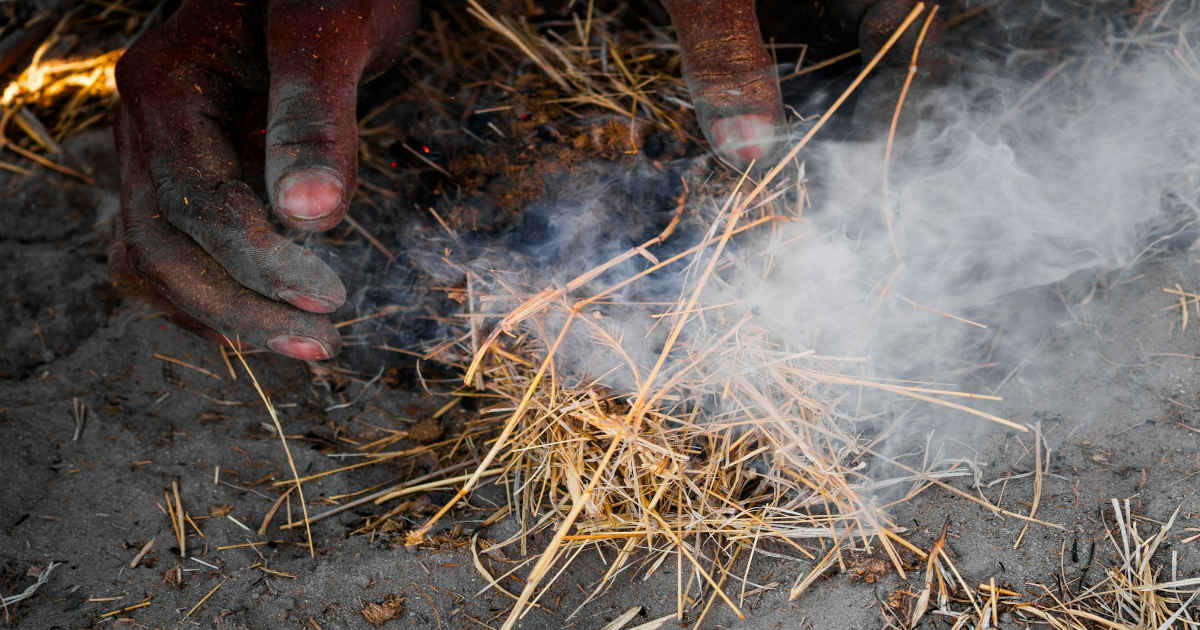
Whether you're hunting, camping, or unexpectedly stranded in the wilderness, knowing how to start a fire is essential. In cold environments, fire provides warmth and helps prevent frostbite and hypothermia. It can also protect you from predators, dry wet gear, cook food, and even signal for help.
For any outdoor enthusiast, fire-building is a fundamental skill. While starting a fire is easier with a fire starter, you may not always have one available. Here's how to build a campfire without a fire starter.
Choose a Safe and Effective Campfire Location
The first step is choosing a safe and suitable location. Look for a dry, flat area with minimal vegetation and a safe distance from your tent or cooking space.
Make sure your fire is not near anything flammable to avoid accidental spread. Always build your fire in a place where you can control it.
Collect the Right Fire-Building Materials (Tinder, Kindling, Fuel Wood)
To build a successful fire, you need three types of fuel that work in progression:
- Tinder: Dry leaves, grass, pine needles, bark shavings, cotton fibers, or lint. These ignite easily.
- Kindling: Small sticks ranging from pencil-thin to finger-thick. These help grow the initial flame.
- Fuel Wood: Larger sticks and logs that keep the fire burning longer.
The most important rule: everything must be dry.
How to Build a Teepee Fire Structure for Easy Ignition
Once you've gathered your materials, it's time to build your fire. One of the simplest and most effective methods is the teepee structure.
Start by placing your tinder in a small pile at the center. Keep it compact but allow space for airflow. Then, lean small kindling sticks around the tinder in a cone shape. This structure promotes airflow while protecting the flame.
Keep larger kindling and logs nearby so you can add them gradually as the fire grows.
Best Ways to Start a Fire Without a Fire Starter
Here are several methods you can use:
Using Matches or a Lighter for Quick Ignition
The simplest option. Light the tinder in multiple spots and gently blow to encourage the flame.
How to Start a Fire with Flint and Steel
Strike a steel blade (like a knife) against flint or quartz to produce sparks. Aim the sparks at fine, dry tinder.
Starting a Fire with a Battery and Steel Wool
Touch the steel wool to both terminals of a battery. The wool will spark and glow quickly transfer it to your tinder.
Primitive Fire Starting with Friction (Bow Drill Method)
This method requires practice and patience. Techniques like the bow drill or hand drill create embers using friction. Spin a spindle against a flat board to generate heat and form an ember, then transfer it to your tinder.
How to Build and Strengthen Your Fire Step by Step
Once the tinder ignites, slowly add kindling. Avoid smothering the flame. Airflow is critical. As the fire strengthens, add larger sticks, followed by logs once the fire is stable.
How to Safely Manage and Control Your Campfire
Keep your fire contained using rocks or a fire ring. Never leave it unattended. Add wood gradually; too much at once can overwhelm the fire or cause it to burn uncontrollably. Maintaining a fire is much easier than starting one, so manage it carefully.
How to Safely Put Out a Campfire and Prevent Wildfires
When you're finished, fully extinguish the fire. Leaving embers behind can lead to wildfires. Spread out the burning material, pour water over it, stir the ashes, and repeat until everything is cool to the touch.
Common Mistakes to Avoid
- Using damp materials
- Adding large logs too soon
- Restricting airflow
- Giving up too early (fires often take time to catch)
Become Confident in Fire Building Without Modern Tools
Mastering the skill of building a campfire without modern tools transforms you from a casual camper into a prepared outdoor adventurer. More importantly, it teaches responsibility and respect for nature.
Always prioritize fire safety from selecting a proper location to fully extinguishing your fire.
Ready to level up your outdoor skills? Share this guide with fellow campers and explore our Leave No Trace Camping blog to keep every adventure safe and sustainable.