Proven Summer Deer Scouting Strategies to Find Mature Bucks Early
Posted by Steven on June 08, 2026
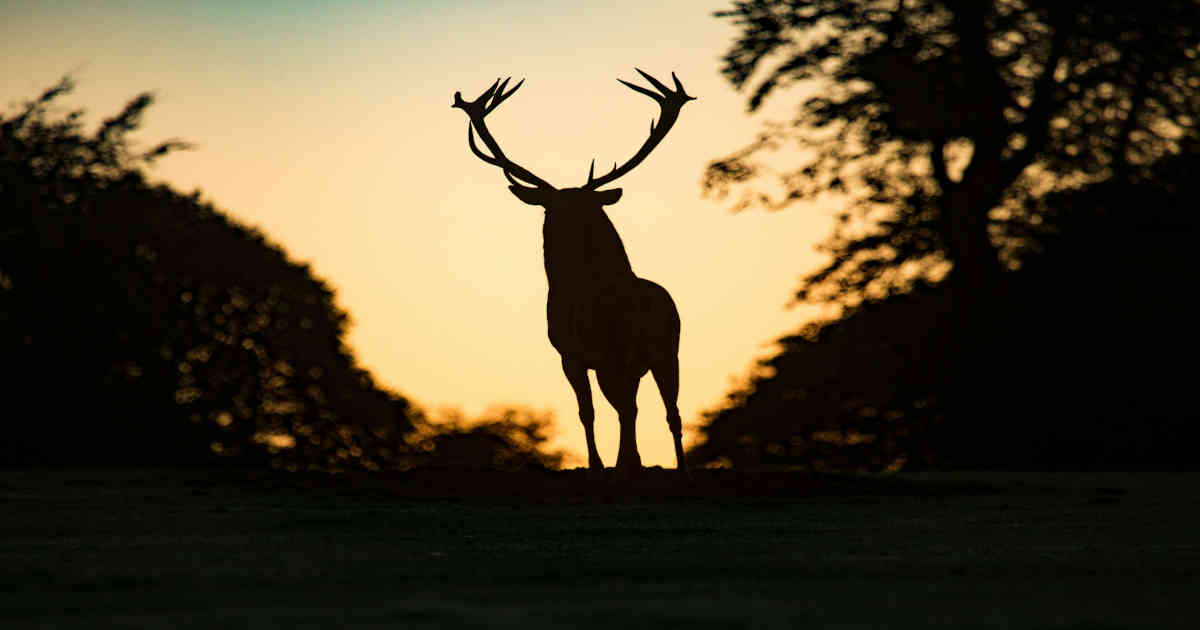
Just because you can't hunt deer in the summer doesn't mean you can't get a head start. When the weather is warm, it's more comfortable to spend time outside scouting deer. You also have more time on your hands since the season is still a few months away. Here are some effective summer scouting strategies.
Summer Deer Scouting Goals: How to Identify and Pattern Bucks
The main goal of summer scouting should be to identify, inventory, and pattern mature bucks and local deer herds. To keep your distance, use binoculars to spot bachelor groups in fields and identify specific shooter bucks. You should also focus on studying movement patterns. Locate primary food sources and water, and observe how deer enter and exit fields. You will need to learn to scout from a distance and use trail cameras and mapping software to avoid spooking deer. Summer is also a good time to think about where your stand should go.
Advantages and Disadvantages of Summer Scouting
Scouting deer in the summer offers some unique advantages as well as some disadvantages.
Advantages of Summer Deer Scouting for Early Season Success
In the summer, bucks are often together and less cautious, which allows for easier identification of larger bucks and their velvet stage. This is especially effective in open areas in late July. During summer, deer also follow predictable feeding patterns. They feed heavily in the same locations, making it easier to identify key food sources.
Since you are still months away from hunting season, you can scout without educating deer as much as you would in the fall. Summer also offers easier access. You can drive and glass fields in the evening to cover large areas without leaving as much human scent in the woods.
Challenges and Risks of Summer Deer Scouting
In the summer, you will have to contend with harsh conditions like intense heat, humidity, ticks, and bugs. Because you will be sweating more, scent control becomes more difficult and more important. Depending on your location, dense vegetation from crops, plants, and trees can make it harder to see tracks or trails on the ground.
While bachelor groups are common in the summer, they usually break up in late August or early September, which changes their patterns entirely. This means that summer scouting may not be as effective for late-season hunting. You also need to be careful not to spook deer. Disturbing a bedding area can cause mature bucks to change their home range.
Key Summer Deer Scouting Tactics for Consistent Results
Long-Range Deer Observation Techniques
It is important to spend time observing from a distance, ideally 150-200 yards away and behind cover, using optics to avoid disturbing deer. Focus especially on evening hours when feeding activity increases, allowing you to identify patterns without pressuring the animals.
How to Identify Summer Deer Food Sources
In late summer, concentrate on areas with abundant, high-quality food. Bucks tend to rely on consistent entry and exit routes during this time, and those same travel patterns often carry into the early fall season.
Low-Impact Trail Camera Strategies for Deer Scouting
To track deer, place trail cameras along field edges or well-used travel corridors in late June or early July. Keep disturbances to a minimum by limiting how often you check cameras, which helps maintain natural deer behavior in the area.
E-Scouting and Digital Mapping for Deer Hunters
Use digital mapping tools to locate promising features such as secluded hardwood pockets, old logging roads, and nearby water sources. This approach is especially valuable when scouting public land, where physical exploration may be more limited.
Understanding Bachelor Groups of Bucks in Summer
Observe bachelor groups of bucks to understand their social dynamics. Pay attention to which individuals consistently associate with one another and try to identify dominant bucks within the group.
Essential Summer Scouting Gear and Protection
Protect yourself from the elements. Use tools like Thermacells and wear appropriate clothing to guard against ticks, snakes, and insects while scouting. Staying comfortable and safe allows you to remain focused and effective in the field.
Scent Control Tips for Summer Deer Scouting
Always scout with favorable wind conditions, ensuring your scent is carried away from deer activity areas. Avoid directly entering feeding fields to minimize the risk of alerting deer to your presence. Manage your scent carefully and play the wind to your advantage.
How to Read Summer Deer Sign Effectively
Look for indicators such as well-defined trails, fresh rubs, or active licking branches. These signs can reveal high-traffic areas and help pinpoint locations that bucks consistently use during the summer months. This will help you decide where to set up your blind or treestand.
Conclusion: Turn Summer Scouting Into Fall Hunting Success
The tactics laid out here, from long-range glassing to strategic camera placement, are more than just summer activities; they are the building blocks of your fall success. While others wait for the season to start, you can already have your target identified, understand his patterns, and map out your plan. The heat, bugs, and effort are all part of building your edge. Get out there, implement these strategies, and make sure that when opening day arrives, you're not just hunting, you’re executing a plan you put together months in advance.