How to Identify a Shooter Buck Months Before the Season
Posted by Steven on June 15, 2026
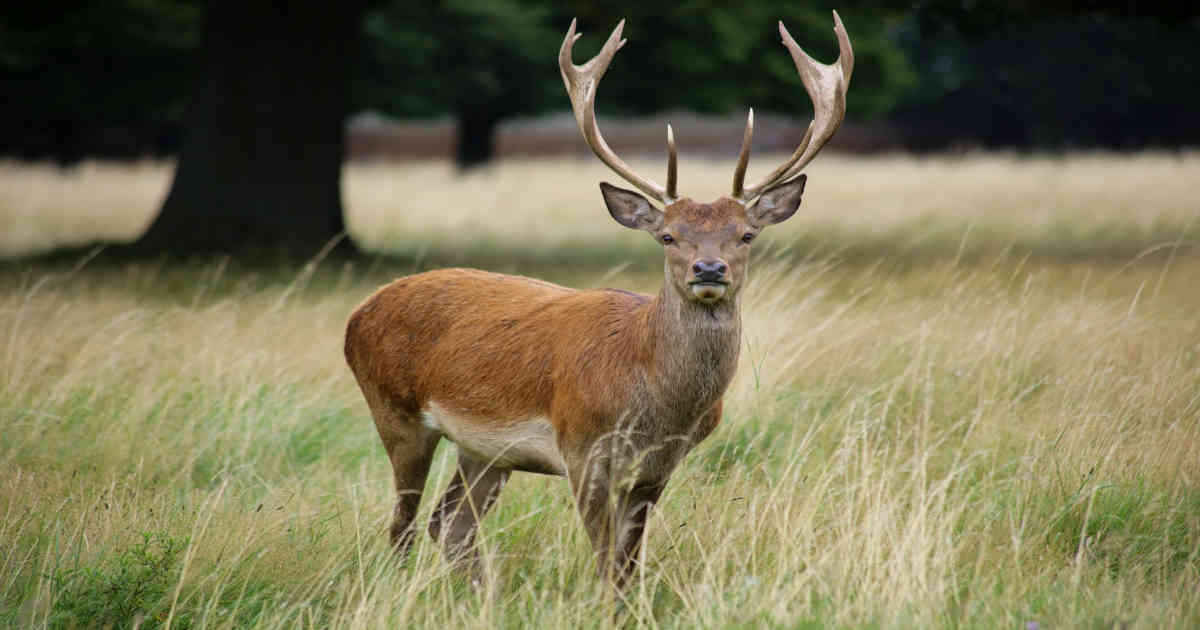
If you are a passionate hunter, you are always trying to get a head start on the next season. While you are probably scouting to see if there are deer in your hunting area, there are additional steps you can take. Once you have eyes on a deer, you need to determine if it's a shooter so you can track it more closely. Here are some tips to identify a shooter buck months before hunting season.
1. Start with Age (Most Important Factor)
A buck's age is more important than antler size if you are managing deer long-term. Here is how you can tell a buck's age.
- 1.5–2.5 years old: At this age, a buck will have a slim body, long legs, and a narrow chest. Antlers may look okay, but the body gives them away. When a buck is this young, it is usually not a shooter.
- 3.5 years old: When a buck reaches this stage, it is starting to bulk up. His chest and neck will get thicker. This may or may not be a shooter, depending on your standards.
- 4.5+ years old: This is a mature age for a buck. Look for signs such as a thick neck that blends into his chest, a sagging belly, and a heavier overall build. Usually, these are your prime shooters.
The best way to track a deer's age is to use trail cameras. Watch how their bodies change over time.
2. Look Beyond Just Antlers
While a common way to judge a deer is by antler size, that is not always an indication of a mature buck. Here are some things to evaluate.
- Mass (thick beams vs thin racks)
- Symmetry
- Tine length and count
- Spread relative to ears (ears ~13–15 inches tip-to-tip)
3. Body Language & Behavior
Mature bucks behave differently from younger ones. They are much more cautious than their younger counterparts. Mature bucks tend to move more carefully. They will often appear alone. They are typically seen in daylight less often than in previous years. More mature bucks will also use cover and wind more intelligently. If a buck feels like it is hard to hunt, that usually means he is older.
4. Use Trail Camera History
If you have multiple years of photos, you can use them to see how the deer have changed over time. Use the photos to track the same buck year to year. Pay attention to how its antlers and body have evolved over the years. You can identify if a buck has reached its peak. If you see signs that a buck is declining, such as shrinking antlers or an aging body, it can become a priority harvest.
5. Set Your Personal Criteria
There is no set definition for a perfect shooter; it is subjective. Before the season, you need to decide on your minimum age and your minimum score. You also need to decide on specific traits like mass, a unique rack, etc. Once you have your standards, stick to them in the moment; buck fever can ruin a plan quickly.
6. Early Season vs Rut Strategy
To track deer, you need to understand how they move. Here is a quick summary of how deer movement changes throughout the season.
- Early season: Patternable bucks on food sources. This is a great time to target a known shooter.
- Rut: More random movement; you might see a surprise mature buck you’ve never captured.
Conclusion
Identifying a shooter buck doesn't have to be a high-pressure guessing game. By turning these tips into your personal checklist and focusing first on age and body, then on antlers and behavior, you build the confidence to make the right decision when it counts. You now have the framework to move beyond hope and start hunting with a clear, strategic plan. Now it's your turn: take what you've learned, set your personal standards for the season, and hunt with conviction.
Remember: If you think you would regret shooting a buck instead of letting him walk, let him walk and wait another year.